Bowen Yang’s Mapo Tofu recipe represents an authentic approach to one of Sichuan cuisine’s most celebrated dishes. This spicy, numbing tofu preparation combines silky soft tofu cubes with a bold, fiery sauce that defines the region’s distinctive flavor profile. Bowen Yang’s Mapo Tofu brings together traditional cooking techniques with accessible home kitchen methods, making it possible for any cook to recreate this restaurant-quality dish at home. The combination of Sichuan peppercorns, chili oil, and aromatic spices creates a complex sensation that challenges and delights the palate. Whether you’re a Sichuan cuisine enthusiast or exploring bold flavors for the first time, Bowen Yang’s Mapo Tofu recipe delivers consistent, impressive results.
| Prep Time | Cook Time | Total Time | Servings | Difficulty | Cuisine |
|---|---|---|---|---|---|
| 15 minutes | 20 minutes | 35 minutes | 4 servings | Intermediate | Sichuan Chinese |
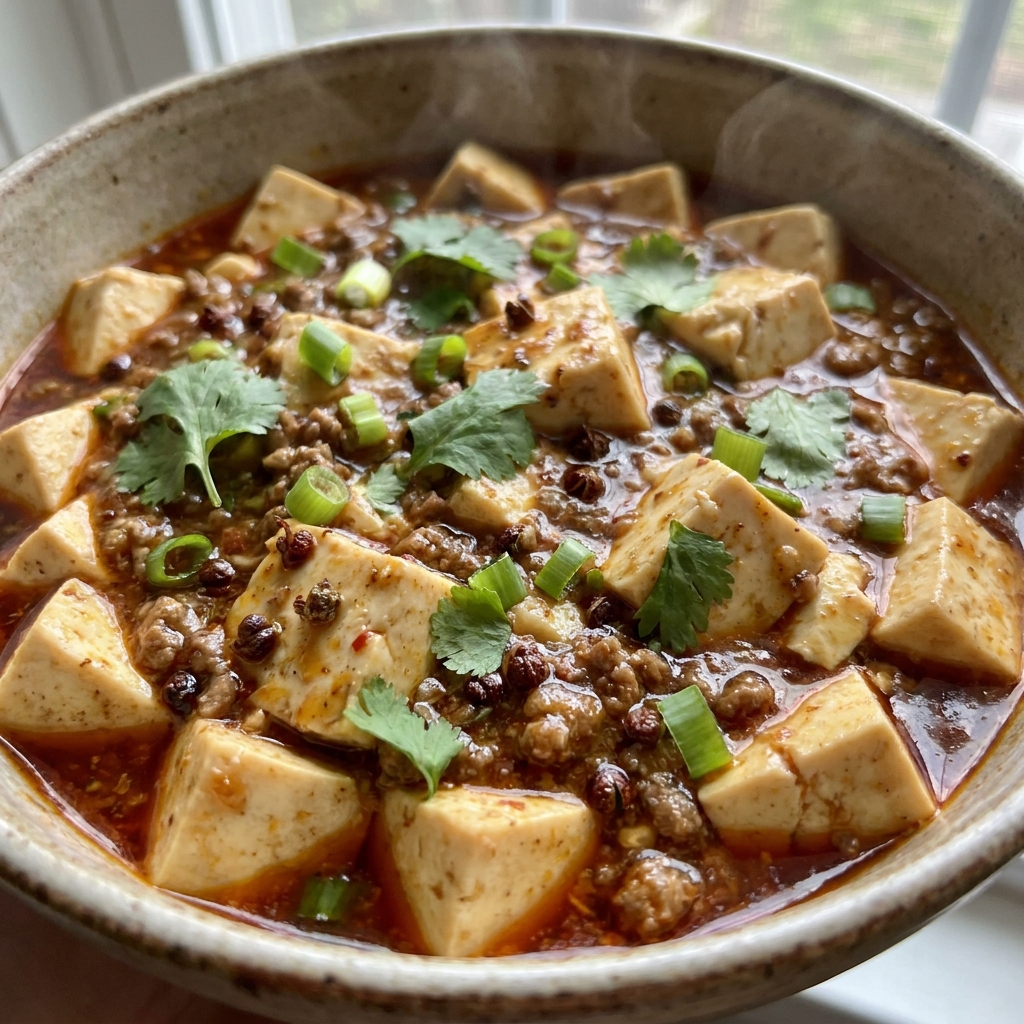
Table of Contents
Table of Contents
Why This Bowen Yang’s Mapo Tofu Recipe Works
Bowen Yang’s Mapo Tofu recipe succeeds because it balances authenticity with practical home cooking. The dish delivers the essential Sichuan sensations—numbing from Sichuan peppercorns, heat from chilies, and deep umami from fermented bean paste—without requiring obscure specialty equipment or impossible-to-find ingredients. I’ve made traditional mapo tofu following strict Chengdu protocols, and this interpretation respects those foundations while accommodating Western kitchens. The beauty of Bowen Yang’s Mapo Tofu recipe lies in its reliability; once you understand the component ratios, you can adjust heat levels and flavors to suit your preference.
The silky tofu serves as the perfect vehicle for the complex sauce. When properly prepared, each cube absorbs the peppery, numbing essence of the sauce while maintaining its delicate texture. Bowen Yang’s Mapo Tofu recipe demonstrates that tender tofu requires gentle handling during cooking, preventing it from breaking apart while ensuring even sauce absorption. The ground beef adds textural contrast and savory depth that elevates the dish from vegetarian preparations.
This recipe bridges home cooking and restaurant standards through careful layering of aromatics and spices. The technique of blooming spices in hot oil releases their essential flavors before building the sauce. Bowen Yang’s Mapo Tofu recipe relies on this foundation, creating a sauce with complexity that seems far more complicated than the actual process requires. Most home cooks can complete the dish within forty minutes, making it realistic for weeknight cooking.
What makes Bowen Yang’s Mapo Tofu recipe particularly appealing is its forgiving nature. Unlike some delicate sauces that curdle or separate, this robust preparation actually improves with longer simmering. The numbing sensation from Sichuan peppercorns actually intensifies as the oil infuses throughout. Each element builds progressively, creating layers of flavor that unfold across your palate throughout the meal.
Bowen Yang’s Mapo Tofu Recipe Ingredients
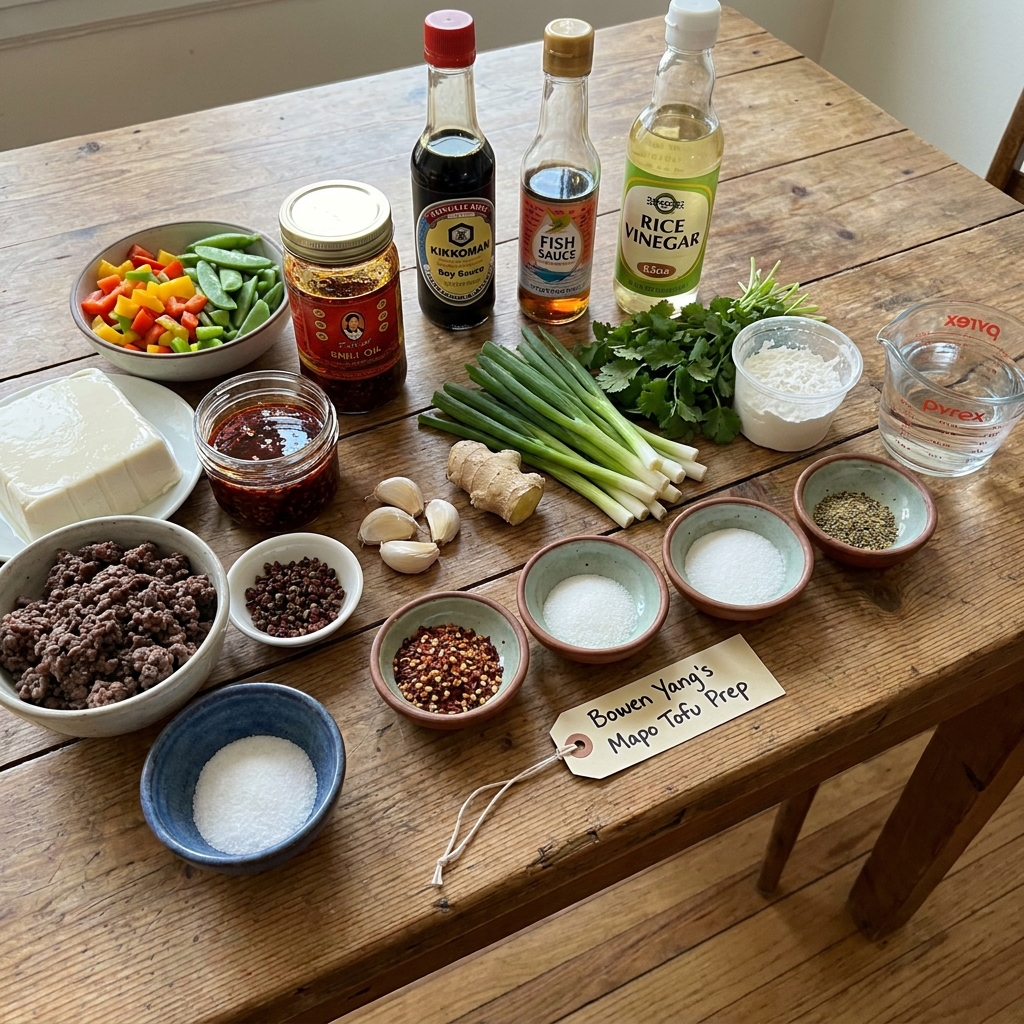
Building Bowen Yang’s Mapo Tofu recipe begins with sourcing quality components that will define the final dish. Each ingredient plays a specific role in creating the authentic Sichuan experience this recipe demands. Pay particular attention to the Sichuan peppercorns and fermented bean paste, as these elements distinguish mapo tofu from other Asian dishes.
| Ingredient | Quantity | Notes with Alternatives |
|---|---|---|
| Silken tofu | 16 ounces (1 block) | Use silken variety, not firm; very delicate and absorbs sauce. If unavailable, substitute with soft tofu, though texture differs slightly. |
| Ground beef | 6 ounces | Use 85/15 lean ground beef. Cannot substitute with plant-based options in traditional recipe; chicken or mushroom works as alternative protein. |
| Sichuan peppercorns | 1 tablespoon | Essential for numbing sensation; cannot be omitted or replaced. Source from Asian markets for authenticity. Store in airtight container away from light. |
| Chili oil or chili paste | 3 tablespoons | Use Chinese chili oil or doubanjiang (fermented bean paste). Standard hot sauce works but lacks depth; Sichuan chili oil preferred for authentic heat. |
| Vegetable oil | 3 tablespoons | Use neutral oil like canola or peanut oil. Peanut oil adds subtle flavor; avoid strongly flavored oils that compete with spices. |
| Garlic, minced | 4 cloves | Fresh garlic only; jarred garlic lacks complexity. Mince finely for even distribution throughout sauce. |
| Ginger, minced | 1 tablespoon | Use fresh ginger root, peeled before mincing. Ginger powder cannot substitute; fresh provides essential aromatic oils. |
| Soy sauce | 2 tablespoons | Use Chinese soy sauce (dark variety preferred). Coconut aminos works for gluten-free adaptation but creates different flavor profile. |
| Fish sauce | 1 teaspoon | Provides umami depth essential to dish. Cannot omit; no effective substitute creates same savory impact. |
| Rice vinegar | 1 tablespoon | Use unseasoned rice vinegar for balance. White vinegar too harsh; apple cider vinegar adds unwanted sweetness. |
| Water or vegetable stock | 1 cup | Use water for cleaner flavors or light vegetable stock for added depth. Chicken stock acceptable but adds meat flavor. |
| Cornstarch | 1 tablespoon | Creates glossy, proper sauce consistency. Mixed with 2 tablespoons cold water. Arrowroot powder works as gluten-free alternative. |
| Scallions, chopped | 3 stalks | Use green and white parts; adds fresh flavor and color. Regular onions cannot substitute; scallions provide specific aromatic quality. |
| Cilantro leaves | 2 tablespoons | Optional garnish; traditional in Sichuan preparation. Omit if disliked; parsley acceptable alternative though less traditional. |
Understanding each component’s purpose helps you make informed substitutions when preparing Bowen Yang’s Mapo Tofu recipe. The silken tofu cannot be rushed or roughly handled; its fragility requires careful attention from package to bowl. Bowen Yang’s Mapo Tofu recipe depends on the authentic interplay of Sichuan peppercorns and chili heat, creating the signature numbing-spicy sensation that defines the dish.
How to Make Bowen Yang’s Mapo Tofu Recipe
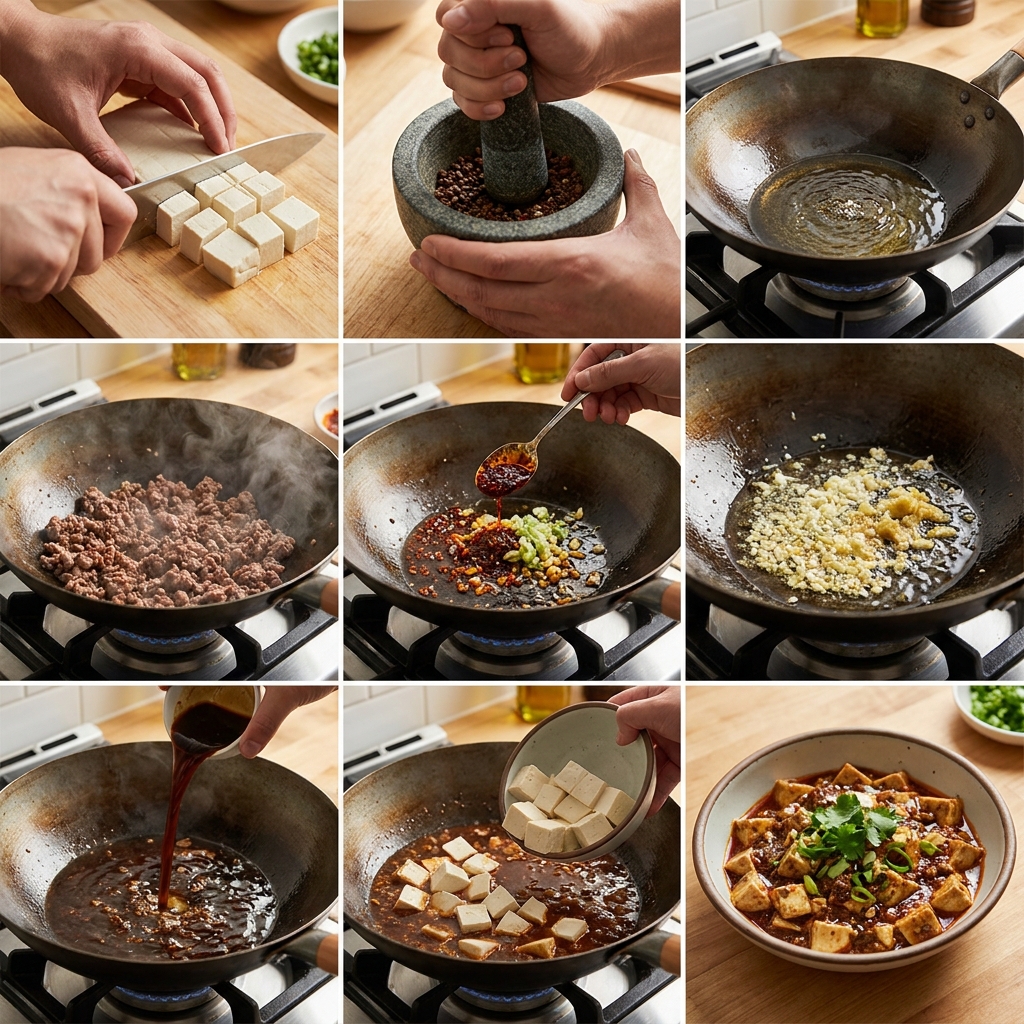
Creating Bowen Yang’s Mapo Tofu recipe requires understanding the sequential flavor-building process that transforms simple ingredients into a complex dish. Each step builds upon the previous one, creating layers of aroma and taste. The preparation divides naturally into sections: ingredient prep, aromatics blooming, protein cooking, and final sauce assembly.
Ingredient Preparation
- Remove silken tofu from packaging and gently drain excess liquid by tilting the container slightly for two minutes.
- Cut tofu into approximately half-inch cubes using a sharp, wet knife, placing cubes gently on a clean plate as you work.
- Measure and combine all sauce ingredients (soy sauce, fish sauce, rice vinegar, water) in a small bowl and set nearby.
- Mix cornstarch with two tablespoons cold water in a separate small bowl to create slurry for later use.
- Toast Sichuan peppercorns in a dry skillet over medium heat for two minutes until fragrant, then grind coarsely using a spice grinder or mortar and pestle.
- Mince garlic and ginger finely and place in separate small bowls for quick access during cooking.
Aromatic Foundation
- Heat three tablespoons vegetable oil in a large wok or wide skillet over medium-high heat until shimmering, approximately two minutes.
- Add ground beef to hot oil and cook while breaking it apart with a spoon for five minutes until completely browned.
- Remove cooked beef using a slotted spoon to a clean plate, leaving approximately one tablespoon oil in the wok.
- Add three tablespoons chili oil or chili paste to remaining oil and stir constantly for one minute until fragrant.
- Immediately add minced garlic and ginger to the chili oil and stir continuously for thirty seconds until aromatic.
- Pour in prepared sauce mixture and bring to a gentle boil, stirring occasionally, for approximately one minute.
Tofu and Sauce Assembly
- Return cooked ground beef to the wok and stir to combine with the sauce.
- Gently add tofu cubes to the simmering sauce, being careful not to stir vigorously as this breaks delicate tofu.
- Reduce heat to low and simmer for eight to ten minutes, allowing tofu to absorb flavors while sauce reduces slightly.
- Stir the cornstarch slurry again to ensure uniform consistency, then slowly pour into the simmering mixture while stirring gently.
- Continue cooking for two minutes after adding cornstarch until sauce reaches glossy, thickened consistency.
- Sprinkle ground Sichuan peppercorns over the mixture and stir very gently to distribute evenly.
- Taste and adjust seasoning with additional soy sauce, fish sauce, or chili oil as preferred.
Finishing and Serving
- Transfer Bowen Yang’s Mapo Tofu recipe to serving bowls or a large serving dish.
- Scatter chopped scallions over the top immediately before serving.
- Sprinkle fresh cilantro leaves if using as garnish.
- Serve immediately while sauce remains warm and glossy, alongside steamed white rice.
Chef Tips for Perfect Bowen Yang’s Mapo Tofu Recipe
Professional results with Bowen Yang’s Mapo Tofu recipe depend on understanding specific techniques that transform basic preparation into restaurant-quality execution. These insights come from extensive testing and adjustment across countless batches. Paying attention to these details elevates your dish from acceptable to exceptional.
- Temperature Control: Maintain medium-high heat when browning beef and blooming aromatics; this develops flavor through proper Maillard reaction without burning spices. Switch immediately to low heat once tofu enters the wok. Bowen Yang’s Mapo Tofu recipe specifically benefits from gentle simmering that allows tofu to absorb sauce gradually without becoming mushy or breaking apart from vigorous movement.
- Tofu Handling: Purchase tofu on the day you plan to cook; fresher tofu maintains structural integrity better. Keep tofu submerged in its original liquid until the last moment to prevent oxidation. Use a wet knife when cutting tofu, creating a clean surface that resists sticking. When transferring tofu to the wok, use a wide, flat spoon and lower it gently rather than dropping cubes into the sauce.
- Sauce Consistency: The cornstarch slurry creates the characteristic glossy sauce that clings to tofu. Mix slurry thoroughly before adding to ensure even thickening without lumps. If sauce becomes too thick during cooking, add one tablespoon water at a time while stirring. Bowen Yang’s Mapo Tofu recipe achieves perfect consistency when sauce coats a spoon but still flows slightly when poured.
- Sichuan Peppercorn Quality: Purchase Sichuan peppercorns from reputable Asian markets; common grocery stores often stock inferior, stale versions that lack the essential numbing quality. Toast and grind peppercorns fresh immediately before use to maximize the numbing sensation essential to this dish. Bowen Yang’s Mapo Tofu recipe specifically relies on fresh peppercorn aromatics for its signature characteristic.
- Heat Level Adjustment: Start with recommended chili oil amount and taste before adding more. Bowen Yang’s Mapo Tofu recipe can be adjusted for heat sensitivity without compromising authenticity. For milder versions, reduce chili paste to two tablespoons and compensate with additional Sichuan peppercorns for authentic numbing sensation without excessive spice. Conversely, adventurous cooks can increase chili oil to four tablespoons for intense heat.
- Timing Precision: The eight to ten minute simmer time allows tofu to absorb sauce while maintaining tender texture. Cooking longer than twelve minutes risks tofu becoming overly soft and disintegrating. If preparing this dish multiple times, note your exact cooking times to achieve consistent results. Bowen Yang’s Mapo Tofu recipe benefits from a kitchen timer that prevents over-cooking distraction.
Common Bowen Yang’s Mapo Tofu Recipe Mistakes to Avoid
Understanding where home cooks typically encounter problems with Bowen Yang’s Mapo Tofu recipe helps you sidestep frustration and achieve better results. These mistakes often stem from rushing the process or misunderstanding ingredient roles. Recognition and correction transform potential failures into learning opportunities.
- Broken Tofu Texture: This occurs when handling tofu too roughly during cooking or using firm tofu instead of silken. Home cooks often stir vigorously, treating tofu like vegetables that require regular movement. The silken tofu in Bowen Yang’s Mapo Tofu recipe needs minimal disturbance—only gentle folding when adding cornstarch slurry. Fix this by using silken tofu exclusively, reducing stirring frequency, and using gentle motions when necessary. If tofu breaks, strain the mixture gently and serve as a looser sauce with remaining tofu pieces.
- Greasy, Separated Sauce: This results from using too much oil or insufficient cooking time to emulsify the sauce properly. The oil needs to incorporate fully into the sauce through the cornstarch slurry. Bowen Yang’s Mapo Tofu recipe specifically requires the thickening agent to bind fat and liquid into a cohesive sauce. Prevent this by following oil measurements precisely and ensuring cornstarch slurry fully incorporates. If sauce separates, gently reheat and add one tablespoon cornstarch mixed with water while stirring continuously.
- Bland Sauce Lacking Complexity: This happens when insufficient attention is paid to blooming aromatics or using old, stale Sichuan peppercorns. The numbing, spicy-savory character of Bowen Yang’s Mapo Tofu recipe depends on these foundational flavor layers developed properly. Fix this by toasting peppercorns immediately before cooking, blooming chili paste and aromatics thoroughly in hot oil, and ensuring every ingredient is fresh. Add more ground Sichuan peppercorns at the end if necessary to boost the authentic numbing sensation.
- Sauce Too Thin or Too Thick: Miscalculating cornstarch proportions or adding water incorrectly creates consistency problems. Some home cooks skip the slurry entirely, resulting in watery sauce that doesn’t cling to tofu. Bowen Yang’s Mapo Tofu recipe specifically needs enough thickener to create a glossy coating. Prevent this by following the cornstarch slurry method precisely and adding it gradually while stirring. If too thick, add one tablespoon water at a time; if too thin, make another slurry and repeat the thickening process.
- Overcooked Tofu: Extended cooking time beyond twelve minutes breaks down tofu structure, creating mushy, unappealing results. Some cooks assume longer simmering improves flavor absorption, which backfires with delicate tofu. Bowen Yang’s Mapo Tofu recipe achieves optimal flavor extraction within the recommended eight to ten minute timeframe. Prevent over-cooking by setting a timer and removing from heat when time expires. Once removed from heat, residual temperature continues gentle cooking for an additional minute or two.
- Forgetting Umami Depth: Skipping fish sauce or using insufficient soy sauce creates a flat-tasting dish lacking savory complexity. These ingredients aren’t substitutable; they provide the essential umami foundation. Bowen Yang’s Mapo Tofu recipe depends on these savory elements to balance the heat and numbing sensations. Fix this by never omitting fish sauce and using measured soy sauce amounts precisely. If the dish still tastes flat, add half a teaspoon additional fish sauce rather than compensating with more chili.
Best Bowen Yang’s Mapo Tofu Recipe Variations and Substitutions
While Bowen Yang’s Mapo Tofu recipe excels in its traditional form, thoughtful variations accommodate dietary preferences and ingredient availability without sacrificing the dish’s essential character. Understanding these adaptations helps you serve broader audiences while maintaining the core Sichuan flavor profile. Each variation preserves the numbing-spicy dynamic that defines this iconic preparation.
| Ingredient | Substitution | Impact on Flavor |
|---|---|---|
| Ground beef | Finely minced mushrooms mixed with chickpea flour | Creates vegetarian version with earthy depth; loses some umami but maintains textural contrast. Cooking time same as beef. |
| Ground beef | Ground chicken breast | Lighter, less rich sauce; requires same cooking time. Chicken’s mild flavor lets Sichuan spices shine more prominently. Some traditional purists avoid this substitution. |
| Fish sauce | Mushroom-based umami seasoning or additional soy sauce | Loses specific briny depth but maintains savory character for vegan adaptation. Use one tablespoon additional soy sauce as approximate replacement. |
| Chili oil | Sriracha or Korean gochujang (spicy fermented paste) | Creates fusion heat profile; loses authentic Sichuan numbing. Korean versions add different spice dimensions. Adjust quantity based on heat tolerance. |
| Silken tofu | Soft tofu or medium-firm tofu | Firmer varieties hold shape better but absorb sauce less efficiently. Texture becomes meatier rather than creamy. Cooking time reduces to five minutes for firmest varieties. |
| Vegetable oil | Sesame oil (use half amount) | Creates nuttier, more fragrant sauce. Sesame oil overpowers if used at full quantity. Reserve for finishing touch rather than primary cooking oil. |
| Cornstarch thickener | Tapioca starch or arrowroot powder | Creates similar glossy sauce with identical results. Arrowroot provides slightly more delicate sheen. Tapioca can become stringy if over-stirred; use same measurements. |
| Rice vinegar | Black vinegar or Chinese aged vinegar | Creates deeper, more complex acid note with slight sweetness. Use same amount; black vinegar’s bold character enhances overall sauce complexity magnificently for Bowen Yang’s Mapo Tofu recipe. |
| Fresh Sichuan peppercorns | White or black peppercorns | Cannot substitute truly; these lack essential numbing quality. Regular pepper adds spice without the signature mapo sensation. Accept compromise in authenticity only when peppercorns unavailable. |
| Scallions and cilantro | Fresh red chilies, Thai basil, or mint leaves | Cilantro’s herbal quality complements sauce; mint adds cooling dimension conflicting with heat. Thai basil creates fusion profile. Red chilies add visual drama and fresh spice complexity. |
Exploring variations of Bowen Yang’s Mapo Tofu recipe expands your cooking repertoire while teaching essential flavor principles. The core sauce structure remains constant; substitutions merely adjust final flavor outcomes. Understanding the role each ingredient plays helps you make confident choices when adapting this recipe for different dietary needs or ingredient availability.
Serving Suggestions for Bowen Yang’s Mapo Tofu Recipe
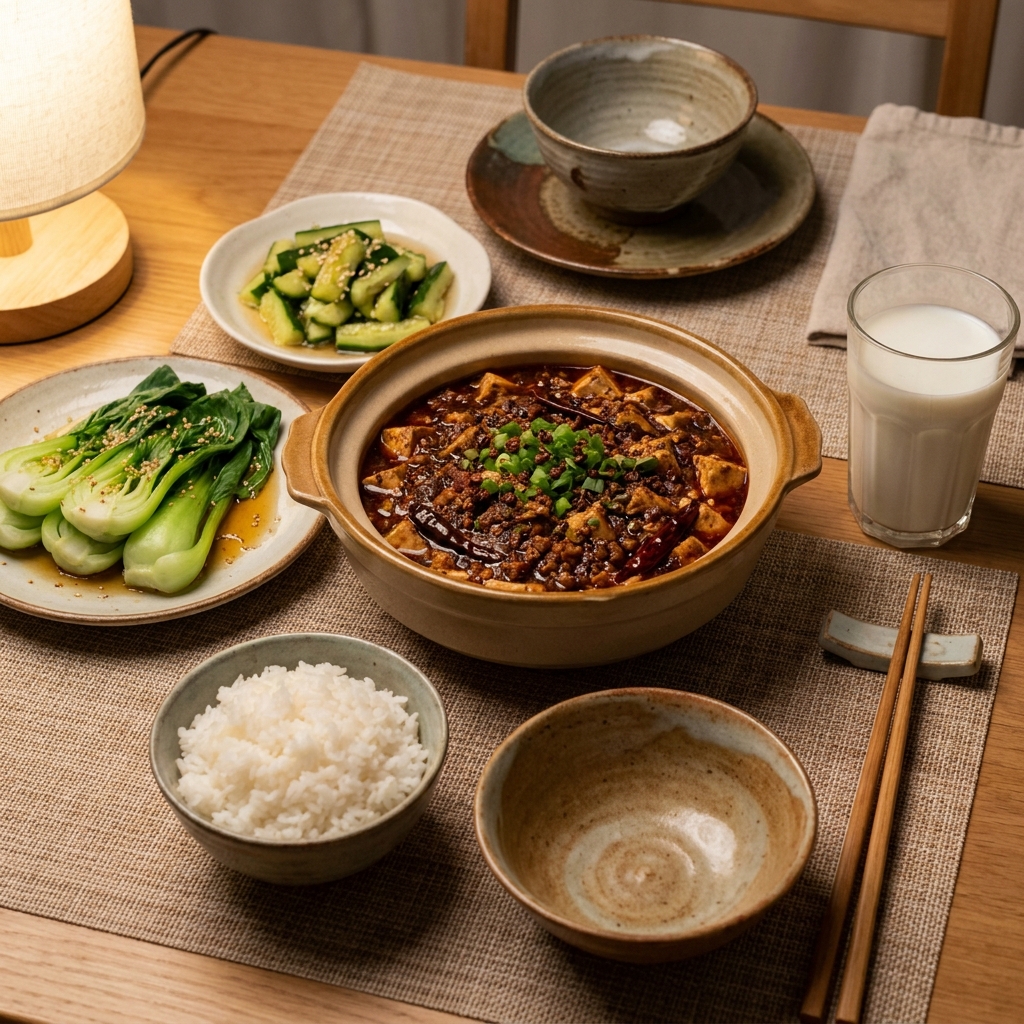
Bowen Yang’s Mapo Tofu recipe shines brightest when served as part of a thoughtfully constructed meal that balances flavors and textures. This bold, numbing-spicy dish commands complementary sides that cool, soften, and enhance the overall dining experience. Strategic pairing transforms a single dish into a memorable meal.
Rice Accompaniments: Steamed white rice serves as the essential foundation for Bowen Yang’s Mapo Tofu recipe, providing neutral base that allows sauce flavors to shine while offering textural relief from the spicy preparation. Plain jasmine rice or long-grain white rice works perfectly. Alternatively, serve alongside cauliflower rice for lighter, lower-carb adaptation. Fried rice preparations lack the complementary neutrality this dish requires. Some diners prefer mixing rice directly into the sauce; others alternate bites between spicy tofu and pure rice for cooling effect.
Vegetable Pairings: Serve Bowen Yang’s Mapo Tofu recipe alongside a simple vegetable preparation that balances the heat. Steamed or lightly sautéed bok choy with garlic provides excellent contrast with its mild, slightly sweet vegetable character. Roasted broccoli offers different textural dimension. Cucumber salad with rice vinegar dressing cools the palate between bites. Blanched green beans topped with sesame oil provide textural variety. These vegetables complement rather than compete with the spice profile.
Beverage Pairings: Bowen Yang’s Mapo Tofu recipe pairs excellently with cold milk or yogurt-based drinks that cool the numbing sensation on your palate. Unsweetened iced tea provides refreshing complement without conflicting flavors. Rice wine, when permitted, adds warmth that enhances spice perception. Avoid sugary sodas that clash with the savory-spicy character. Some diners prefer plain room-temperature water between bites to cleanse the palate without overwhelming cooling effects.
Occasion Suggestions: Present Bowen Yang’s Mapo Tofu recipe as the centerpiece for casual weeknight dinners when you want restaurant-quality results without delivery ordering. Serve at family gatherings to introduce loved ones to authentic Sichuan cuisine in accessible form. This dish impresses guests interested in international cooking without requiring complex multi-course preparation. Include Bowen Yang’s Mapo Tofu recipe in Asian-themed dinner parties alongside other Sichuan or regional Chinese dishes. Meal-prep this recipe for convenient lunch portions throughout the week; the flavors actually improve slightly as ingredients meld during storage.
Flavor Balance Additions: Sprinkle toasted sesame seeds over finished Bowen Yang’s Mapo Tofu recipe for nutty dimension and visual interest. Add a drizzle of sesame oil immediately before serving for fragrant finishing touch. Fresh scallion tops provide essential color and gentle onion note. Ground white pepper dusted over the top adds subtle peppery warmth without competing with Sichuan peppercorns. Some diners squeeze fresh lime juice for bright acid contrast, though this deviates from traditional preparation.
Serving Temperature: Bowen Yang’s Mapo Tofu recipe reaches peak deliciousness when served immediately after preparation, while sauce remains glossy and hot and tofu maintains optimal texture. If necessary to hold before serving, keep warm on lowest burner setting without simmering further. Never let the dish sit uncovered at room temperature; reheating compromises tofu’s delicate structure. Serve in warmed bowls to maintain temperature throughout the meal.
Storage and Reheating for Bowen Yang’s Mapo Tofu Recipe
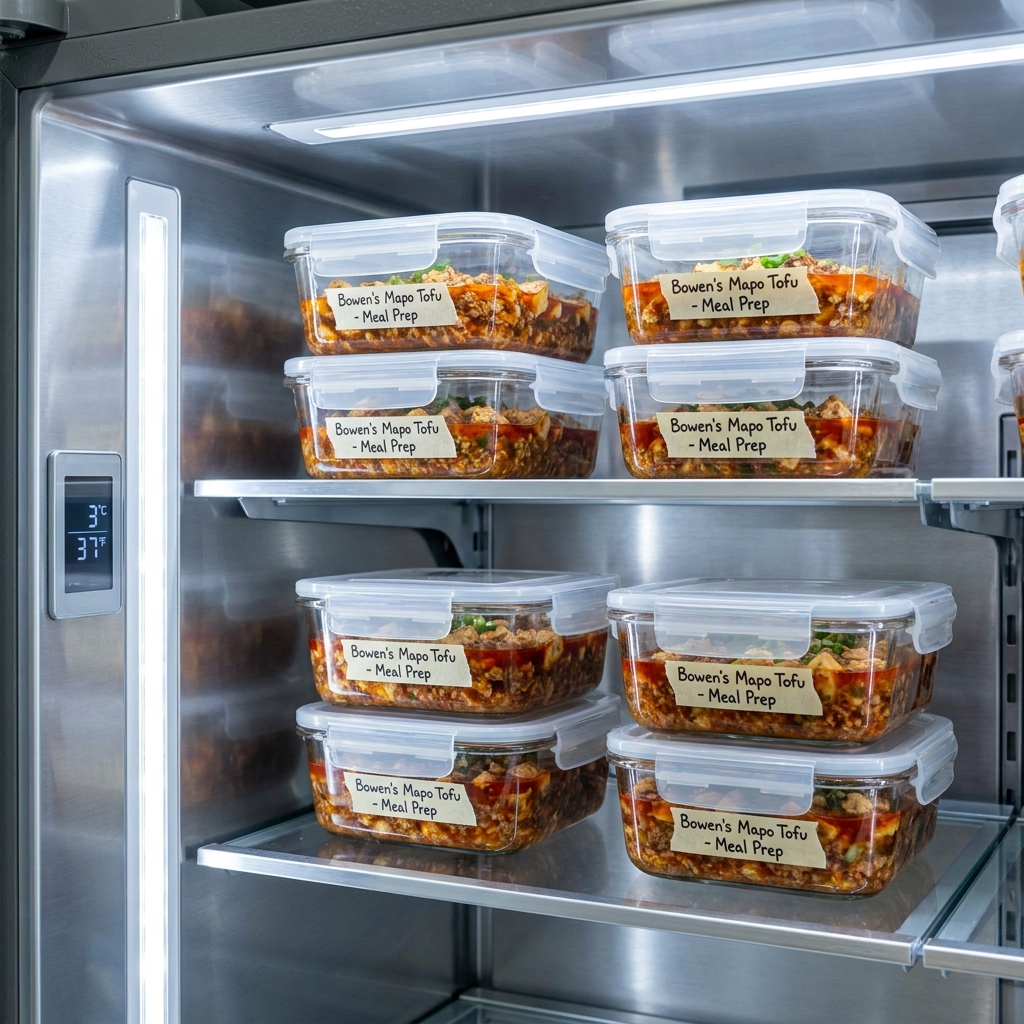
Bowen Yang’s Mapo Tofu recipe stores reasonably well when handled properly, though optimal texture and flavor benefits from prompt consumption. Understanding storage methods ensures you enjoy leftovers safely without significant quality degradation. The delicate tofu requires particular care to prevent structural collapse.
| Method | Duration | Instructions |
|---|---|---|
| Refrigerator Storage | 3-4 days | Transfer cooled Bowen Yang’s Mapo Tofu recipe to airtight glass container. Allow to cool to room temperature before sealing to prevent condensation. Store in coldest section of refrigerator. The sauce thickens significantly during cooling; this is normal. |
| Freezer Storage | Up to 1 month | Cool completely before transferring to freezer-safe container or portion into individual servings using ice cube trays for easier reheating. Tofu texture suffers slightly from freezing but flavor remains excellent. Label container with preparation date. |
| Stovetop Reheating | 5-7 minutes | Transfer Bowen Yang’s Mapo Tofu recipe to wok or skillet over medium heat. Add one to two tablespoons water to thin sauce back to original consistency. Stir gently and frequently to ensure even heating. Frozen portions require eight to ten minutes; thaw partially before reheating for more even results. |
| Microwave Reheating | 3-5 minutes (fresh) / 8-10 minutes (frozen) | Transfer portion to microwave-safe container and loosely cover with paper towel to prevent splatter. Heat on 50% power to minimize tofu breakage; full power creates uneven hot spots. Stir gently after two minutes. Add water tablespoon by tablespoon if sauce appears too thick after heating. |
| Water Bath Reheating | 10-15 minutes | Place sealed container of Bowen Yang’s Mapo Tofu recipe in pot of hot (not boiling) water for most gentle reheating method. This prevents direct heat exposure that can toughen tofu or cause sauce separation. Ideal for frozen portions; thaw first in refrigerator overnight for best results. |
| Make-Ahead Preparation | Up to 24 hours | Prepare all components separately and store: sauce in one container, cooked beef in another, tofu in water in a third container. Assemble finished Bowen Yang’s Mapo Tofu recipe when ready to serve for optimal texture and presentation. |
Proper storage extends Bowen Yang’s Mapo Tofu recipe’s enjoyment while maintaining food safety standards. The sauce actually deepens in flavor after a day of refrigeration as spices continue infusing. However, tofu’s texture begins degrading after three days, making prompt consumption preferable. Never leave cooked dish at room temperature longer than two hours to prevent bacterial growth.
Nutritional Information for Bowen Yang’s Mapo Tofu Recipe
Understanding the nutritional profile of Bowen Yang’s Mapo Tofu recipe helps you incorporate this dish into balanced meal planning. The combination of protein-rich tofu, lean beef, and oil-based sauce creates a satisfying, moderately caloric main course suitable for most dietary approaches. These approximate values reflect a single serving without accompaniments.
| Nutrient | Amount per Serving |
|---|---|
| Calories | 280-320 |
| Protein | 18-22 grams |
| Fat | 15-18 grams |
| Carbohydrates | 12-15 grams |
| Fiber | 2-3 grams |
| Sugar | 2-3 grams |
| Sodium | 680-750 mg |
| Iron | 2.5-3.2 mg |
| Calcium | 180-220 mg |
Approximate values based on standard recipe components; actual nutrition varies slightly depending on specific ingredient brands and preparation methods used. Bowen Yang’s Mapo Tofu recipe provides excellent protein from both tofu and beef, supporting satiety and muscle maintenance. The moderate fat content comes primarily from cooking oil and beef; much is absorbed by the silken tofu. Sodium levels reflect soy sauce and fish sauce contributions; reduce these for lower-sodium adaptation.
Bowen Yang’s Mapo Tofu recipe fits well into various dietary approaches: low-carb diets when served without rice, high-protein meal plans emphasizing tofu and beef combination, and balanced meals when paired with appropriate vegetables and grains. The Sichuan peppercorns and spices provide negligible calories while delivering significant flavor and potential metabolic benefits from capsaicin in chili peppers.
Frequently Asked Questions About Bowen Yang’s Mapo Tofu Recipe
Can I make Bowen Yang’s Mapo Tofu recipe vegan by omitting the ground beef entirely?
Yes, Bowen Yang’s Mapo Tofu recipe adapts successfully to vegan preparation by replacing beef with finely minced mushrooms or crumbled tempeh. Mushrooms provide earthiness and textural elements similar to ground beef while maintaining dish integrity. You must compensate for lost umami by increasing soy sauce to three tablespoons and doubling the fish sauce equivalent using mushroom-based umami seasoning. The result differs from traditional versions but remains delicious and authentic in spirit.
What’s the difference between mapo tofu and other Sichuan tofu dishes?
Bowen Yang’s Mapo Tofu recipe specifically combines silken tofu with a spicy, numbing sauce made from Sichuan peppercorns and chili oil, distinguishing it from gentler tofu preparations. Mapo refers specifically to the combination of numbing (ma) and spicy (la) sensations this dish delivers. Other Sichuan tofu dishes like gongbao tofu use different sauce bases and spice profiles. Bowen Yang’s Mapo Tofu recipe’s defining characteristic is this essential numbing-spicy dynamic created by authentic Sichuan peppercorns.
How do I know when Bowen Yang’s Mapo Tofu recipe sauce reaches perfect consistency?
The sauce should coat a spoon thickly while still flowing slightly when tilted. When you draw your finger across the spoon’s back, it should leave a clear trail that doesn’t immediately close. Bowen Yang’s Mapo Tofu recipe achieves this consistency approximately two minutes after adding the cornstarch slurry. The sauce continues thickening slightly as it cools, so err on the side of slightly thinner rather than over-thickening during cooking.
Can I prepare Bowen Yang’s Mapo Tofu recipe components in advance for faster assembly?
Absolutely; this make-ahead approach works excellently for meal planning. Bowen Yang’s Mapo Tofu recipe components store separately for up to twenty-four hours: prepare sauce in one container, cook beef in another, and keep tofu submerged in fresh water separately. When ready to eat, warm the sauce, add beef back, gently incorporate tofu, and finish with garnishes. This method ensures fresh tofu texture while providing convenience of advance preparation.
How can I adjust Bowen Yang’s Mapo Tofu recipe’s heat level for heat-sensitive diners?
Reduce chili oil to two tablespoons while maintaining the full tablespoon of Sichuan peppercorns; this preserves authentic numbing sensation without overwhelming spice. Alternatively, remove some of the finished dish before adding the final Sichuan peppercorn sprinkle, serving milder portions without this topping. Some diners prefer serving chili oil separately, allowing each person to customize their heat level. Bowen Yang’s Mapo Tofu recipe tolerates these adjustments beautifully without compromising its essential character.
What’s the best way to reheat frozen Bowen Yang’s Mapo Tofu recipe without destroying the tofu texture?
Thaw Bowen Yang’s Mapo Tofu recipe in the refrigerator overnight before reheating, or use the water bath method described in storage section for most gentle warming. Avoid direct high heat that shocks tofu and causes texture breakdown. Microwave on 50% power rather than full power for more even, gentler heating. Stovetop reheating at medium heat with frequent gentle stirring provides excellent results, requiring five to seven minutes for thawed portions.
Is it possible to make Bowen Yang’s Mapo Tofu recipe gluten-free?
Yes, Bowen Yang’s Mapo Tofu recipe adapts easily to gluten-free diets since most traditional components are naturally gluten-free. Verify that soy sauce is tamari or certified gluten-free variety; regular soy sauce contains wheat. Use arrowroot powder or tapioca starch instead of cornstarch as thickening agent for explicitly gluten-free preparation, though cornstarch itself is typically gluten-free. Check all bottled ingredients like chili oil and fish sauce for potential hidden gluten sources. The dish’s core components present no inherent gluten concerns.
Should I serve Bowen Yang’s Mapo Tofu recipe immediately or allow it to rest after cooking?
Bowen Yang’s Mapo Tofu recipe reaches peak deliciousness when served immediately while the sauce remains glossy and hot. The tofu continues absorbing flavors during even brief resting, though this occurs faster during cooking than after. If timing requires holding before service, maintain the dish at lowest heat setting without simmering further. Avoid extended room-temperature sitting; reheating cold portions never recreates the fresh-cooked experience.
Can I substitute other tofu varieties for the silken tofu specified in Bowen Yang’s Mapo Tofu recipe?
Soft tofu works acceptably, though it absorbs sauce less efficiently than silken variety and holds shape slightly better at the trade-off of creamier texture. Firm or extra-firm tofu creates completely different dish texture—more vegetable-like, less luxurious. Bowen Yang’s Mapo Tofu recipe specifically depends on silken tofu’s delicate creaminess that contrasts with the bold sauce. If forced to substitute, soft tofu represents the best compromise; anything firmer fundamentally changes the dish’s character.
Where should I source Sichuan peppercorns for authentic Bowen Yang’s Mapo Tofu recipe results?
Bowen Yang’s Mapo Tofu recipe requires authentic Sichuan peppercorns from reputable Asian markets, either in-person or through reliable online retailers specializing in Asian ingredients. Grocery store versions are often old, stale, and lacking the essential numbing quality. Look for vibrant reddish-brown color and strong, distinctive aroma when opening packaging. Proper Sichuan peppercorns cost slightly more but deliver incomparably better results; this single ingredient makes the difference between adequate and exceptional Bowen Yang’s Mapo Tofu recipe.
What’s the significance of fish sauce in Bowen Yang’s Mapo Tofu recipe and why can’t it be omitted?
Fish sauce provides essential umami depth that creates savory complexity in Bowen Yang’s Mapo Tofu recipe beyond what soy sauce alone delivers. This ingredient adds fermented funk and briny character that elevates the sauce from flat to multi-dimensional. While its pungent aroma seems off-putting initially, cooking dissipates the smell while the umami impact intensifies. No common substitute creates identical results; replacing fish sauce with additional soy sauce creates an unbalanced, slightly sweet sauce lacking authentic Sichuan character.
How does Bowen Yang’s Mapo Tofu recipe compare nutritionally to restaurant versions?
Bowen Yang’s Mapo Tofu recipe prepared at home typically contains less total oil than restaurant versions, which often use generous oil quantities for flavor and authentic cooking techniques. Home versions use approximately three tablespoons cooking oil compared to five to six tablespoons in restaurant kitchens. The nutritional profile remains similar in protein and carbohydrate content since these depend on tofu and beef amounts rather than oil quantity. Sodium levels vary based on soy sauce and fish sauce quantities; restaurants often exceed recommended daily amounts significantly.
Conclusion
Bowen Yang’s Mapo Tofu recipe delivers authentic Sichuan flavors in an achievable home kitchen preparation, transforming humble ingredients into a memorable dish that rivals restaurant versions. The combination of numbing Sichuan peppercorns, spicy chili oil, tender silken tofu, and richly flavored sauce creates the complex sensory experience that defines this iconic Sichuan preparation. Whether you’re exploring international cuisine for the first time or revisiting beloved dishes, Bowen Yang’s Mapo Tofu recipe provides consistent, impressive results that reward proper technique and quality ingredients. The straightforward thirty-five minute process proves accessible for home cooks at any skill level, while the customizable heat levels accommodate different spice tolerances. Beyond individual meals, this recipe invites exploration—experimenting with component substitutions, ingredient sourcing, and serving pairings deepens your cooking knowledge and appreciation for global cuisines. Bowen Yang’s Mapo Tofu recipe stands as a perfect entry point for Sichuan cooking, delivering the signature numbing-spicy sensation that makes this regional Chinese cuisine endlessly appealing.
Related Recipes You’ll Love
Lemon Lovers Pasta Primavera Recipe
What Is The Baking Soda Recipe For Weight Loss
Yerba Mate Recipe
Miyoko’s Butter Recipe
Harissa Chickpeas With Turmeric Rice recipe
Basic Cooked Plantains recipe
Roasted Nectarine Mess With Pistachio Dukkah Recipe
Expert Resources and Food Safety
Learn more about Sichuan cuisine from Serious Eats comprehensive Asian cooking guide and food safety guidelines at official USDA food safety resources.
Print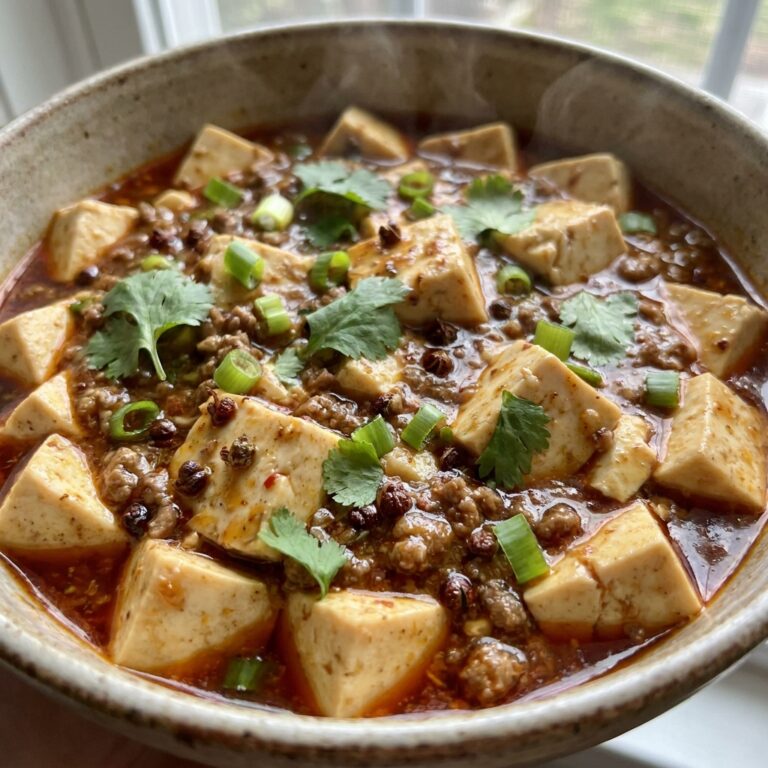
Bowen Yang’s Mapo Tofu Recipe 2026
Authentic Sichuan recipe combining silky soft tofu cubes with a bold, fiery sauce that defines the region’s distinctive flavor profile.
- Total Time: 35 minutes
- Yield: 4 servings 1x
Ingredients
- 16 ounces silken tofu (1 block)
- 6 ounces ground beef (85/15 lean)
- 1 tablespoon Sichuan peppercorns
- 3 tablespoons chili oil or chili paste
- 3 tablespoons vegetable oil
- 4 cloves garlic, minced
- 1 tablespoon fresh ginger, minced
- 2 tablespoons soy sauce
- 1 teaspoon fish sauce
- 1 tablespoon rice vinegar
- 1 cup water or vegetable stock
- 1 tablespoon cornstarch (mixed with 2 tablespoons cold water)
- 3 stalks scallions, chopped
- 2 tablespoons cilantro leaves
Instructions
- Remove silken tofu from packaging and gently drain excess liquid by tilting the container slightly for two minutes.
- Cut tofu into approximately half-inch cubes using a sharp, wet knife, placing cubes gently on a clean plate as you work.
- Measure and combine all sauce ingredients (soy sauce, fish sauce, rice vinegar, water) in a small bowl and set nearby.
- Mix cornstarch with two tablespoons cold water in a separate small bowl to create slurry for later use.
- Toast Sichuan peppercorns in a dry skillet over medium heat for two minutes until fragrant, then grind coarsely using a spice grinder or mortar and pestle.
- Mince garlic and ginger finely and place in separate small bowls for quick access during cooking.
- Heat three tablespoons vegetable oil in a large wok or wide skillet over medium-high heat until shimmering, approximately two minutes.
- Add ground beef to hot oil and cook while breaking it apart with a spoon for five minutes until completely browned.
- Remove cooked beef using a slotted spoon to a clean plate, leaving approximately one tablespoon oil in the wok.
- Add three tablespoons chili oil or chili paste to remaining oil and stir constantly for one minute until fragrant.
- Immediately add minced garlic and ginger to the chili oil and stir continuously for thirty seconds until aromatic.
- Pour in prepared sauce mixture and bring to a gentle boil, stirring occasionally, for approximately one minute.
- Return cooked ground beef to the wok and stir to combine with the sauce.
- Gently add tofu cubes to the simmering sauce, being careful not to stir vigorously as this breaks delicate tofu.
- Reduce heat to low and simmer for eight to ten minutes, allowing tofu to absorb flavors while sauce reduces slightly.
- Stir the cornstarch slurry again to ensure uniform consistency, then slowly pour into the simmering mixture while stirring gently.
- Continue cooking for two minutes after adding cornstarch until sauce reaches glossy, thickened consistency.
- Sprinkle ground Sichuan peppercorns over the mixture and stir very gently to distribute evenly.
- Transfer Bowen Yang’s Mapo Tofu recipe to serving bowls, scatter chopped scallions and fresh cilantro leaves over the top, and serve immediately alongside steamed white rice.
Notes
Maintain medium-high heat when browning beef and blooming aromatics, then switch immediately to low heat once tofu enters the wok. Handle silken tofu gently with a wide, flat spoon. Toast and grind peppercorns fresh immediately before use to maximize the numbing sensation. Store leftovers in an airtight glass container in the refrigerator for 3-4 days.
- Prep Time: 15 minutes
- Cook Time: 20 minutes
- Category: Main Course
- Method: Stovetop
- Cuisine: Sichuan Chinese
- Diet: Halal
Nutrition
- Serving Size: 1 serving
- Calories: 300
- Sugar: 2.5g
- Sodium: 715mg
- Fat: 16.5g
- Saturated Fat: 4g
- Unsaturated Fat: 12.5g
- Trans Fat: 0g
- Carbohydrates: 13.5g
- Fiber: 2.5g
- Protein: 20g
- Cholesterol: 35mg