Did you know that according to recent interior psychology studies, nearly 80% of people feel a direct boost in their mental clarity when their living environment is intentionally designed? I’ve seen this firsthand. For years, I lived in a “beige box” that felt more like a waiting room than a home. It was soul-crushing!
Everything changed when I started experimenting with these 7 stylish room ideas. It’s not just about buying expensive furniture; it’s about the vibe. We’re in 2026 now, and the rules have shifted toward comfort, tech-integration, and a bit of “soulful” maximalism. Let’s dive into how you can make your house feel like a curated masterpiece without losing that cozy, “lived-in” feel.
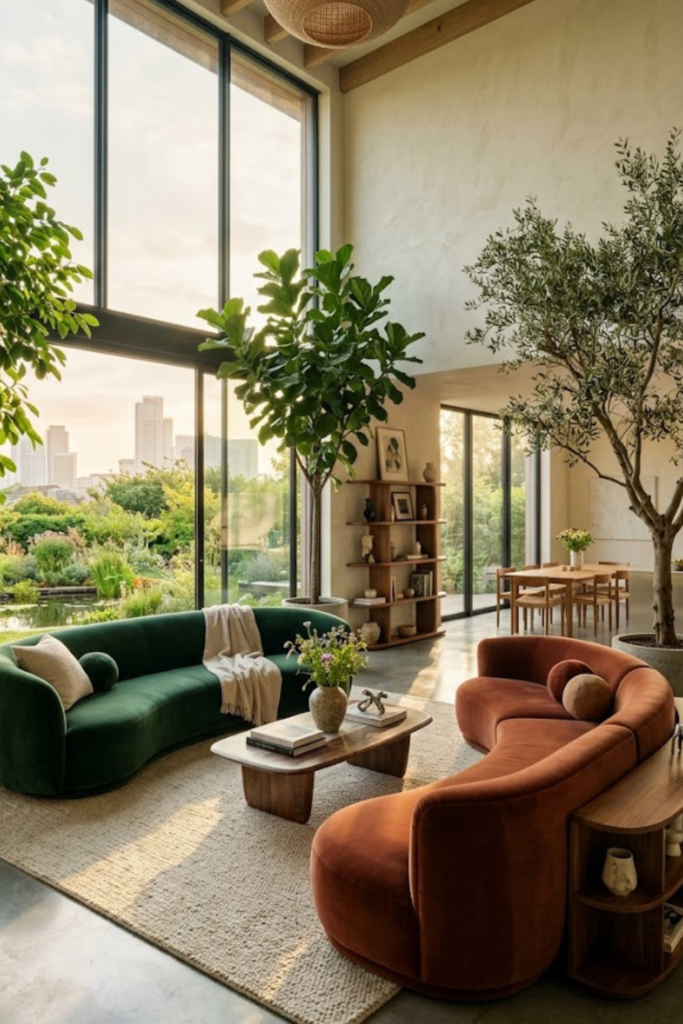
1. The Biophilic Sanctuary: Bringing the Outside In
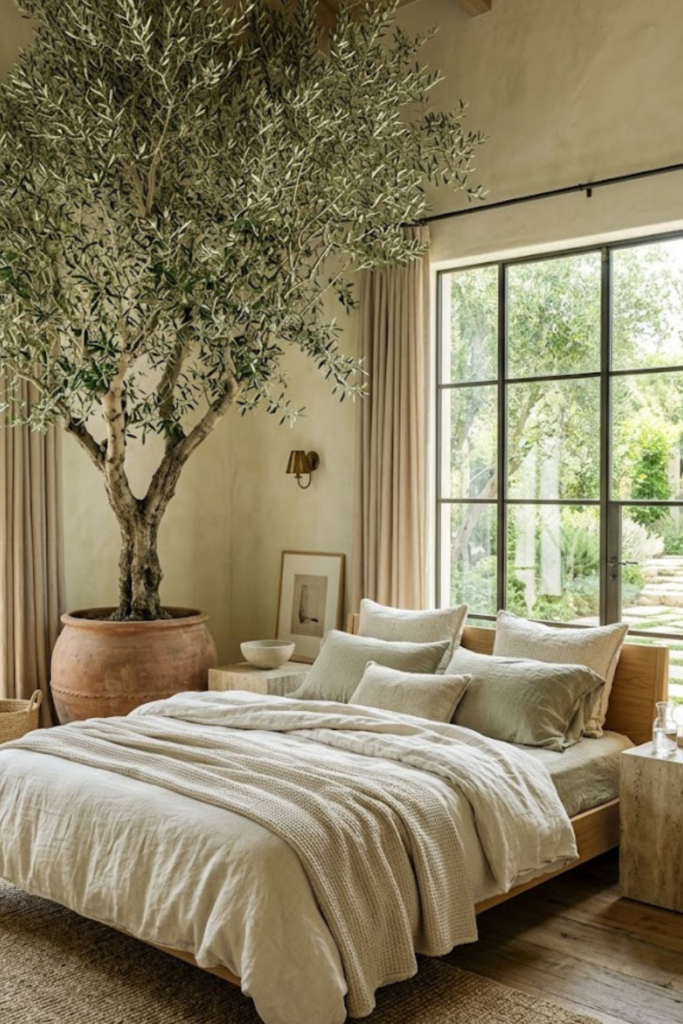
I have to tell you a secret. For the longest time, I was what people call a “black thumb.” I could look at a plastic plant and it would somehow start to wilt. It was pretty bad! But as I got older and spent more time in my classroom with no windows, I realized how much I missed seeing green things. When I finally started my home makeover, I knew I needed to bring the outdoors inside.
Creating a “biophilic” space sounds fancy, but it just means making your home feel like a part of nature. Here is how I did it without turning my living room into a swamp.
Go Big with Indoor Trees
Instead of dozens of tiny little pots that are hard to keep track of, I went for one giant focal point. I bought a tall Fiddle Leaf Fig. It stands in the corner of my room and immediately makes the ceiling look higher. If you are worried about killing it, try an Olive tree. They are a bit more hardy and have a lovely silvery-green color that looks very high-end. It fills those empty gaps in the room way better than a floor lamp ever could.
Natural Stone Surfaces
I used to think marble was only for fancy hotels or expensive kitchens. But I found this great travertine coffee table at a thrift store. The cool thing about natural stone is that every piece is different. It has little holes and textures that make it feel real. It adds a bit of “weight” to the room. When you touch it, it feels solid and grounded. It’s a nice break from all the plastic and fake wood we usually see.
Let the Light In
One of the biggest mistakes I made early on was buying heavy, dark curtains. I thought they made the room look “cozy,” but they just made it dark and sad. I swapped them for sheer linen curtains. Now, the sunlight filters in softly all day long. It makes the whole space feel airy. Plus, the plants love it. If you want privacy, you can double them up, but keep the fabric light. It makes the transition between your backyard and your living room feel almost invisible.
I’m telling you, once you add some life and light to your room, you’ll never want to go back to a plain white box. It changed how I feel every morning when I drink my coffee.
2. Moody Monochrome: The Power of Deep Tones
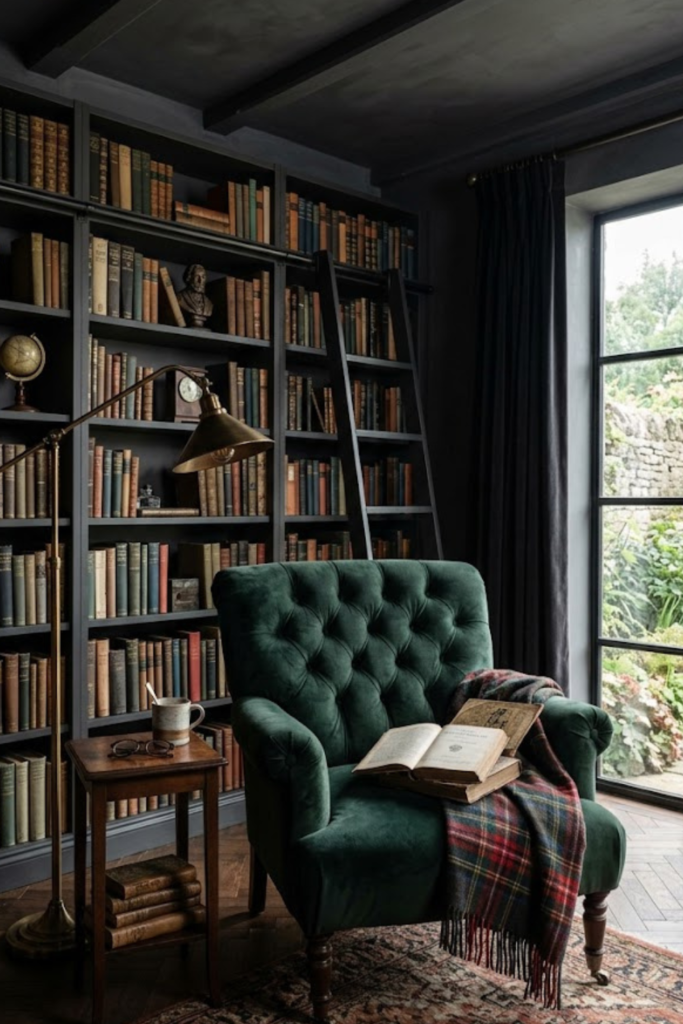
I’ll admit, I used to be terrified of dark paint. I really thought if I painted a room anything darker than eggshell, it would end up looking like a damp cave. I was so scared of making the room feel small! But then I saw a photo of a library that was all one color, and I just had to try it. I finally bit the bullet and painted my small den a deep “Midnight Navy.”
It was the best mistake-that-wasn’t-a-mistake I ever made. Here is what I learned about making dark colors look expensive instead of gloomy.
Paint the Whole Thing
The biggest trick I found is to paint the walls, the trim, and even the ceiling the exact same color. I know it sounds crazy to paint a ceiling dark, but it actually makes the corners disappear. Instead of the room feeling like a box, it feels like it goes on forever. It’s like being wrapped in a warm blanket. If you leave the ceiling white, it can sometimes make the dark walls look unfinished or “chopped up.”
Mix Your Textures
When everything is one color, you need different materials so it doesn’t look flat. In my den, I put a dark navy velvet sofa against the navy wall. The way the light hits the velvet makes it look like a totally different shade. I also added some dark wood shelves. Even though the colors are close, the different feel of the wood and the fabric keeps your eyes moving. It makes the space feel rich and cozy at the same time.
Use Metal for a “Pop”
Since the room is so dark, you need a little bit of shine. I used some brass lamps and copper picture frames. These little bits of metal really stand out against the deep paint. It’s like wearing a piece of jewelry with a plain black dress. You don’t need much, just a few spots where the light can bounce off something shiny. It keeps the room from feeling too heavy and adds that high-end look I was after.
Don’t let the dark paint scare you. If you go all in, it ends up being the most relaxing room in the house. It’s where I go when I want to grade papers in peace or just hide from the world for an hour.
3. Textured Minimalism: Warmth Over Coldness
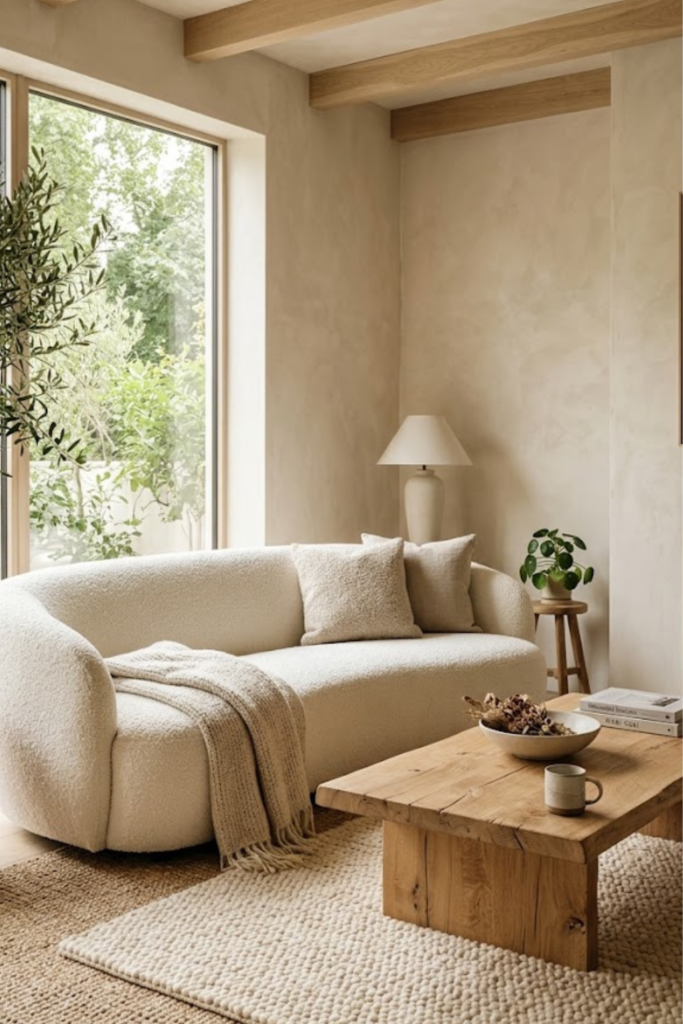
I remember when minimalism was all about bright white walls and sharp, metal edges. It looked cool in the magazines, but honestly? It felt like living in a doctor’s office. I once had a glass coffee table that I was so afraid of scratching, I never even put my feet up! That is not a home. In 2026, we are finally moving away from that “cold” look and doing something much better.
I call it “warm minimalism.” It is about having less stuff, but making the stuff you do have feel really good. Here is how I changed my space to feel cozy instead of chilly.
Swap White for Oatmeal
The first thing I did was get rid of the “hospital white” paint. I switched to colors like oatmeal, soft greige, and even a light sandy brown. These colors still make the room feel big and bright, but they have a bit of yellow or red in them that makes the light feel warmer. It’s a small change, but it makes a huge difference in how you feel when you wake up in the morning.
Layer Your Fabrics
The secret to making a simple room look expensive is the fabric. I love mixing things that feel different to the touch. I bought a bouclé chair—you know, that bumpy fabric that looks like little sheep clouds? I put a smooth leather pillow on it and a chunky wool rug underneath. Even if all the colors are almost the same, the different textures make the room look interesting. It’s like wearing a big, comfy sweater instead of a stiff suit.
Find the “Perfectly Imperfect”
I stopped buying things that looked like they came out of a factory machine. Now, I look for handmade ceramics and vases with irregular shapes. I have this one clay bowl that is a little lopsided, and I think it’s the prettiest thing I own. It adds a bit of soul to the room. When everything is too perfect, it feels fake. Having a few pieces that look like a person made them makes your home feel much more inviting.
By keeping things simple but “touchable,” you get that high-end look without it feeling like you aren’t allowed to sit on the furniture. My friends always say my house feels “expensive but cozy,” which is exactly what I was going for.
4. The Multi-Functional “Flex” Zone
I’ll be honest with you—working from home was a total mess for me at first. I was trying to grade my students’ papers on the kitchen table while my husband was trying to make lunch. I ended up with pasta sauce on a few lesson plans and coffee rings on my laptop. It was a disaster! In 2026, we all need a space that can do more than one thing without looking like a cluttered office.
Creating a “flex” zone is about making your room work for you, but then hiding the work when you are done for the day.
The Magic of the “Cloffice”
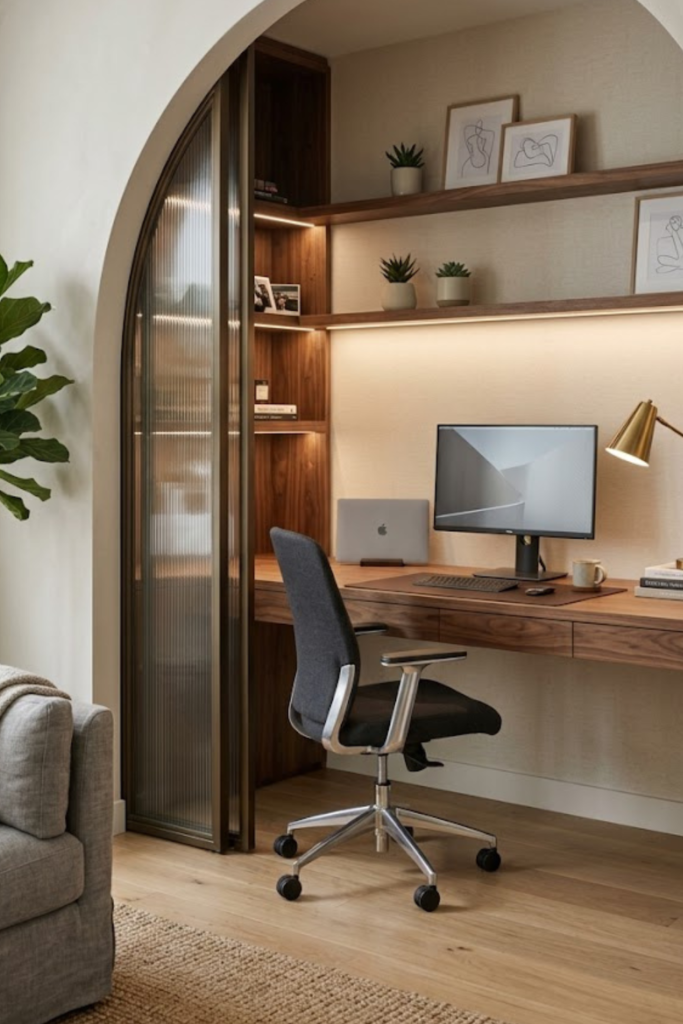
I finally got tired of the mess and turned a small guest closet into what people call a “cloffice.” I took out the hanging rod and put in a simple floating desk. The best part? When I am done with work at 5 PM, I just close the closet doors. Boom! The office is gone. In a stylish room, your desk shouldn’t be the main character. If you don’t have a closet, use a beautiful folding screen or an arched room divider to hide your monitors. It helps your brain actually switch off so you can enjoy your evening.
Use Shelves to Build “Rooms”
If you have a big open living area, it can feel a bit empty or disorganized. I used a tall, open bookshelf to separate my “reading nook” from the main TV area. Because the shelf doesn’t have a back, the light still goes through it, so the room doesn’t feel smaller. It just gives you a little bit of privacy. It’s a great way to show off your favorite books and plants while making the layout feel like it was planned by a pro.
Furniture That Does Double Duty
I am a big fan of furniture that hides things. I bought this long wooden bench for my entryway that actually opens up. I keep all the messy shoes and umbrellas inside it. It looks like a high-end piece of furniture, but it’s actually a storage box. Look for ottomans that can be used as coffee tables or extra seats when you have guests over. Every piece should have a “secret” job.
When you organize your home this way, you don’t feel like you are living in your office. You get to have a space that is productive during the day and super relaxing at night.
5. Vintage Maximalism: Thrifting for Luxury
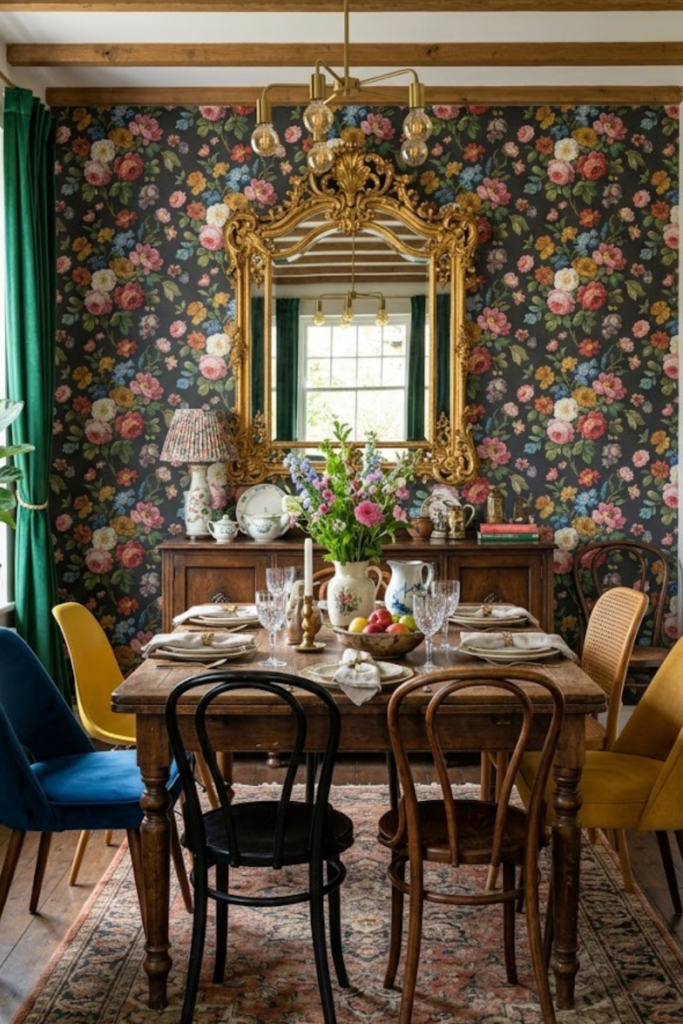
I found this absolute beast of a mirror at a garage sale for twenty bucks. It was covered in dust and looked like something from a haunted house. A little gold leaf and a bit of scrubbing later, and it’s the star of my entryway. I love finding things that have a history because it makes the house feel like it has a soul.
If you want a stylish room, don’t buy everything from one of those big-box stores. It ends up looking like a “cookie-cutter” catalog. I like to mix a heavy vintage wooden chest with a sleek, modern lamp. It tells a story. People will ask, “Where did you get that?” and you get to sound very cool and cultured.
Another thing I do is use bold wallpaper in small spots, like a tiny powder room or a hallway. It adds a huge “pop” of personality without being too much for a big room. Also, don’t hide your travel souvenirs! Put those “found objects” on your shelves. It makes your home feel like yours and nobody else’s. Thrifting takes a bit of time, but it is the best way to get a high-end look on a tiny budget.
6. Smart “Invisible” Tech Integration
I really hate cords. There, I said it! Nothing ruins a stylish room faster than a “nest” of black wires snaking across the floor like plastic vines. I used to have wires everywhere—behind the TV, under the couch, and across my desk. It was a total trip hazard and, honestly, it looked cheap. In 2026, the best way to do tech is to make it disappear.
The TV That Isn’t a TV
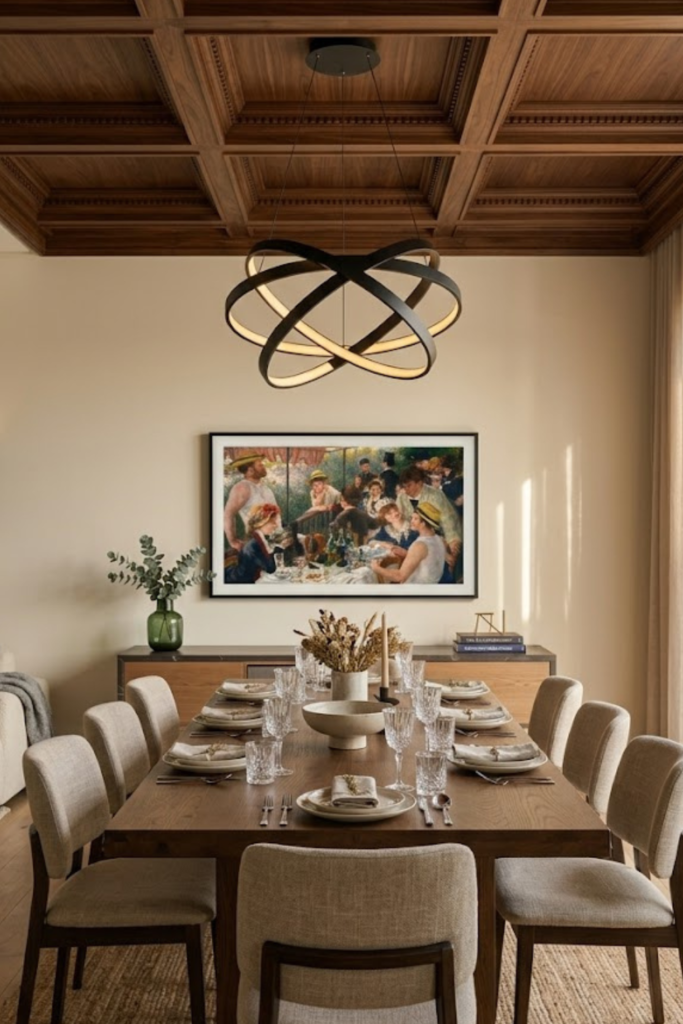
I finally saved up for one of those TVs that looks like a piece of art when you aren’t watching it. My friends actually came over for dinner and didn’t even know I had a TV in the living room for months! It just looks like a framed painting above the mantle. If you don’t want to buy a new TV, you can find digital art to play on your current screen, or even build a simple wooden frame to go around it. It stops the big black box from sucking all the life out of your decor.
Hide Your Chargers
I got so tired of looking for my phone charger only to find a tangled mess. Now, I use furniture that has tech built right in. I found a nightstand that has a wireless charging spot on the top. I just set my phone down and it starts charging. No cords, no fuss. You can also buy little kits to hide your power strips inside boxes or under your desk. It keeps the surfaces clean and makes the whole room feel much more organized.
Light That Follows the Sun
One of the coolest things I added was smart light bulbs. I programmed them to change “warmth” during the day. In the morning, they are bright and crisp to help me wake up. But at night, they turn into a soft, amber glow. It makes the room feel so much more high-end because the lighting always matches the mood. Plus, I can turn them all off with my phone when I’m already tucked into bed. It’s a little luxury that makes a big difference.
Getting your tech under control is one of those things you don’t realize you need until you do it. Once those cords are gone, the rest of your design can finally shine.
7. Statement Ceilings: Looking Up
We always forget the ceiling! I call it the “neglected child” of interior design. Most of us just paint it flat white and never think about it again. I was the same way for years until I had a tiny guest room that felt a bit boring. I decided to paint the ceiling a soft peach color while keeping the walls a warm white.
The change was amazing. When the sun started to set, the whole room had this magical glow. It made the space feel finished in a way I hadn’t seen before. Here is how you can use your “fifth wall” to make a room look high-end.
Use Wallpaper for Drama
If you really want people to walk in and say “wow,” try putting wallpaper on the ceiling. I know it sounds like a lot of work (and your neck might be a little sore after!), but it adds so much style. I suggest a subtle pattern—maybe something with thin gold lines or a light floral print. It makes the ceiling feel like a work of art. It’s a great trick for making a room with high ceilings feel a bit more cozy and “lived-in.”
Add Some Texture with Wood
If wallpaper isn’t your thing, think about adding wooden beams. You can actually buy “faux” beams that are hollow and very light. They are easy to install and give the room a very expensive, architectural look. It makes a plain living room feel like a mountain cabin or a fancy old library. It grounds the space and gives your eyes something interesting to look at when you are lying on the couch.
Go Big with Your Lights
Since you want people to look up, give them a reason to! I swapped my boring “boob light” (you know the ones I mean) for a large, sculptural pendant light. Even if the rest of your furniture is simple, one big, bold light fixture can change everything. It acts like a centerpiece for the whole room. Just make sure it’s not hanging so low that your tall friends hit their heads!
Conclusion
Designing a home is a marathon, not a sprint. I’ve spent years moving furniture around and painting over my mistakes, and that is okay! These 7 stylish room ideas for 2026 are meant to be a playground for your own ideas. You don’t have to do them all at once. Start with one plant or one gallon of paint and see how it feels.
The most important thing I’ve learned is that your home should feel like you. It’s where you come to rest after a long day of work or teaching. Don’t be afraid to try something bold. If you don’t like it, you can always change it later. That’s the fun part of making a house a home.
If you found these tips helpful, please save this post to your Pinterest boards! It helps others find these ideas, and you can come back to it whenever you need a bit of inspiration for your next project.