Did you know that the color and texture of your walls can impact your mood by up to 20%? It’s true! I used to think a “feature wall” just meant slapping a coat of bright blue paint on one side of the living room and calling it a day. Boy, was I wrong. In 2026, accent walls have evolved into architectural statements that breathe life into our homes. They aren’t just about color anymore; they are about feeling. Whether you’re craving the calming embrace of nature or the sophisticated drama of structural curves, there is a design here that will speak to you. We are going to explore seven game-changing ideas—ranging from textured limewash to functional acoustic panels—that blend aesthetics with psychology. Ready to ditch the boring beige? Let’s dive in!
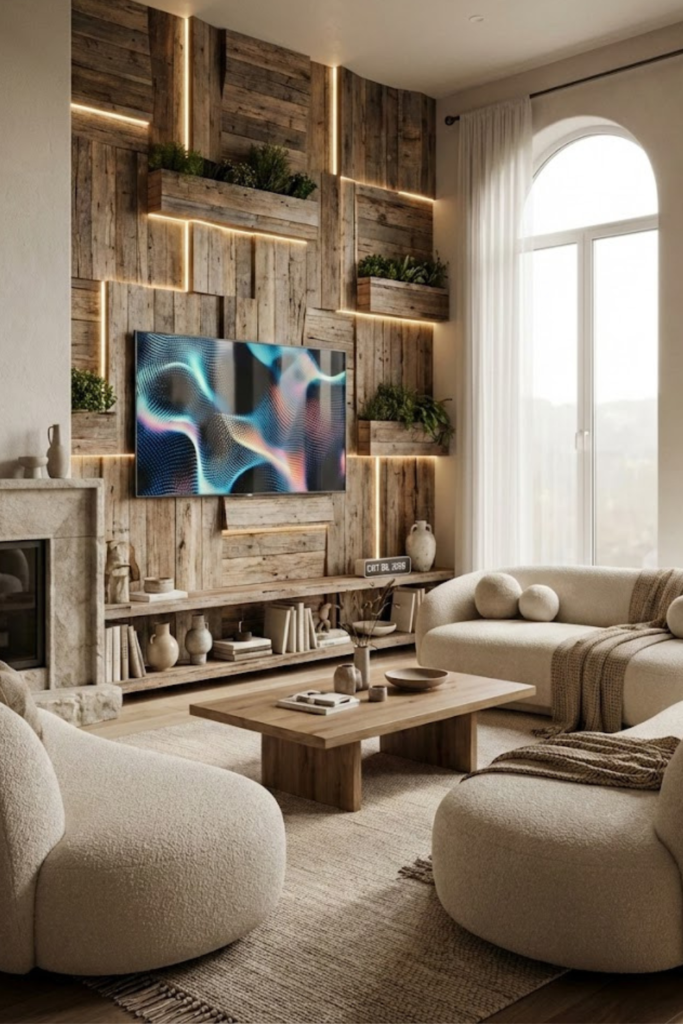
1. The Earthy Return of Textured Limewash
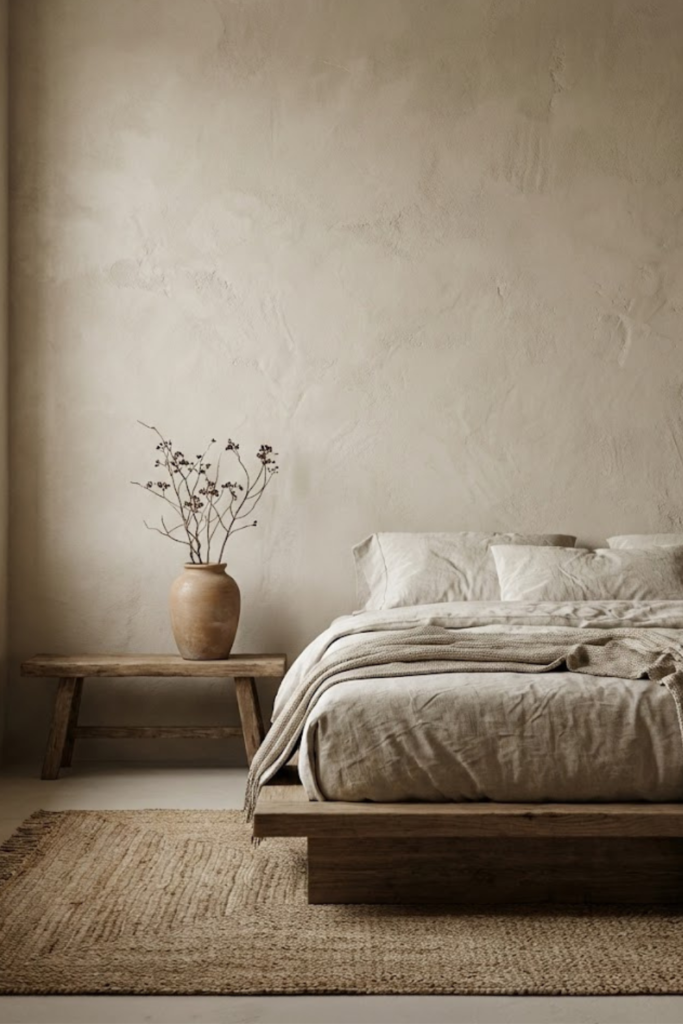
My Flat Paint Disaster
I still remember the first time I tried to paint a “feature wall” in my bedroom. I picked this dark, moody navy blue that looked amazing on the swatch. I bought the expensive rollers, the blue tape, everything. I spent a whole Saturday rolling that paint on.
When it dried? It looked awful. I mean, really bad. You could see every single start and stop mark where the roller lifted off. It didn’t look like a magazine; it looked like a choppy sea. I sat on the floor and actually cried a little bit. It was so frustrating because I wanted that smooth perfection, but my hands just couldn’t make it happen.
That is when I stumbled onto the magic of limewash walls.
I learned that aiming for “perfect” is usually a trap. The beauty of the textured limewash trend—which is huge right now in 2026—is that it is supposed to look imperfect. It takes the pressure off. If you mess up a stroke? It’s just “texture.” It’s “art.”
Why I’m Obsessed with the Chalky Look
Limewash isn’t like regular latex paint. It’s made from limestone that’s been crushed and burned and mixed with water. When you put it on, it creates this cloudy, mottled effect that feels alive.
I used a Roman clay finish in my hallway last year, and the difference it made was crazy. It went from a boring pass-through space to this warm, cozy tunnel that felt like an old Italian villa. It captures the light in a way flat paint just can’t.
If you are looking for accent wall ideas that make a room feel softer and quieter, this is it. It has that “wabi-sabi” vibe, which is just a fancy way of saying we appreciate things that are old, worn, and imperfect.
How to Actually Do It (Without Crying)
Here is the thing nobody tells you at the hardware store: Do not use a roller.
I learned this the hard way (obviously). You need a wide block brush. It looks like a big masonry brush.
Here is my go-to method for a limewash accent wall:
- Prime it right: You have to use a special mineral primer. If you put limewash straight onto regular drywall or old shiny paint, it won’t bond right. It might chalk off later.
- The X-Stroke: Dip your brush and paint in big X shapes. You aren’t trying to fill it in solid like a coloring book. You want those brush strokes to overlap and create movement.
- Don’t panic when wet: When limewash is wet, it looks totally different than dry. It looks roughly 10 shades darker. I remember freaking out that my “sand” color looked like “wet mud.” Just wait. As it dries, the lime blooms and turns that beautiful, chalky pale color.
A Quick Warning on Texture
One thing to keep in mind: this stuff dries hard. It’s basically stone on your wall. If you have kids who like to run their hands along the walls with sticky fingers, it is a bit harder to wipe down than semi-gloss paint. You can seal it, but that sometimes changes the color.
But honestly? The maintenance is worth it. It adds so much depth to a room without feeling cluttered. It’s one of those textured wall paint ideas that feels expensive but is really just labor-intensive.
So, grab a brush, turn on some music, and just make Xs. It is surprisingly therapeutic.
2. Modern Acoustic Wood Slat Panels
The Echo Chamber Problem
We moved into our current house a few years ago, and I loved the open floor plan. It felt so big and airy. But man, nobody warned me about the noise. With the tile floors and the high ceilings, our living room sounded like a high school cafeteria.
If my husband was watching a movie, the sound just bounced everywhere. I couldn’t even read a book in the next room without hearing every explosion. I started looking for ways to fix the echo without hanging ugly foam squares on the wall like a recording studio.
That is when I found acoustic wood slat panels.
Not Just for Looks
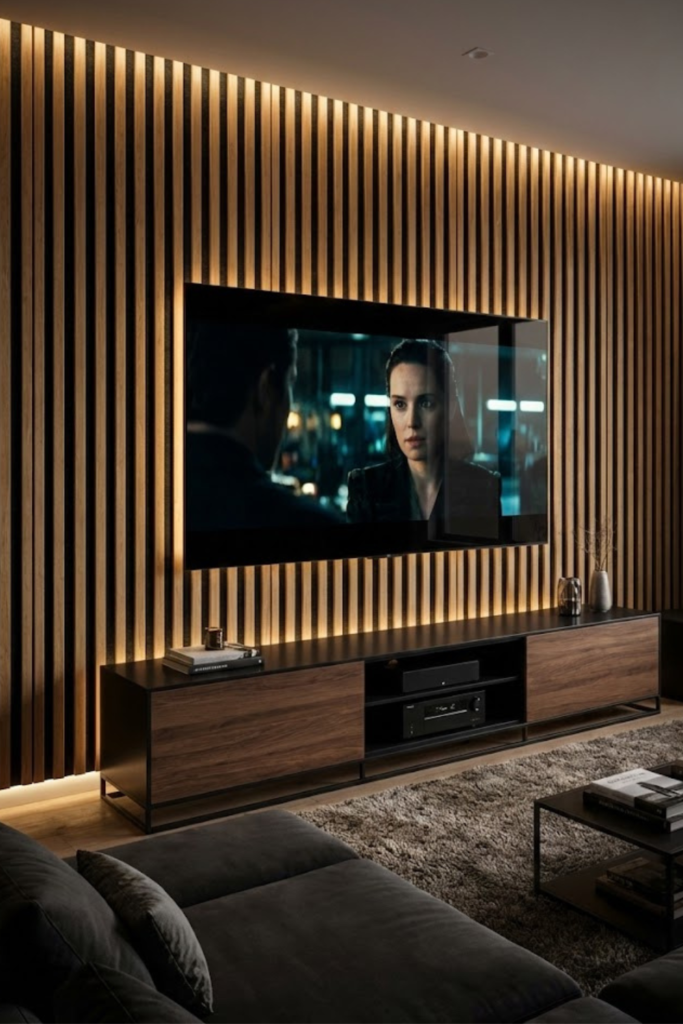
I’ll be honest, I clicked on them because they looked pretty on Pinterest. They have these vertical strips of wood (usually oak or walnut) attached to a black felt background. They look very sleek and modern.
But the real secret is that felt backing. It actually soaks up the sound.
We decided to put these panels behind our TV to create a media wall. It changed everything. Not only does the room look warmer because of the wood texture, but it actually sounds quieter. The dialogue on the TV is clearer, and the sound doesn’t travel as much to the kitchen. It was a win-win.
A Weekend Project (With a Little Help)
These panels usually come in big sheets, kind of like plywood. You can order them online or pick them up at some home improvement stores now.
Here is what I learned installing them:
- They are heavy: You definitely need a second pair of hands. I tried to lift one myself and almost took out a lamp.
- Black screws are magic: The panels usually have black felt between the wood strips. If you use black drywall screws to hang them, they disappear right into the felt. You don’t have to worry about hiding screw heads.
- Cutting is the hard part: If your wall is a standard height, you might get lucky. But we had to cut ours to fit around an outlet. You need a circular saw or a jigsaw for this. If you aren’t handy with power tools, maybe bribe a friend who is.
Where Else to Put Them?
Since doing the living room, I’ve seen people use these wood slat wall panels in bedrooms too. They make a really cool headboard if you run them floor-to-ceiling behind your bed. It adds that vertical line that makes a short ceiling feel taller.
If you want a modern accent wall that actually does a job (quieting down the house) instead of just sitting there looking pretty, this is the one to pick. It’s a bit more work than painting, but the cozy factor is huge.
3. Atmospheric Color Drenching
Breaking the White Ceiling Rule
I have always been a stickler for rules. As a teacher, it’s kind of my job. For the longest time, I thought the ceiling had to be white. It was just what you did. You paint the walls a color, and you leave the trim and the ceiling bright white.
But a few months ago, I was looking at my small den, and it just felt… choppy. The white baseboards cut the room in half. The white ceiling made the walls feel short. I realized that all those white lines were just visual clutter.
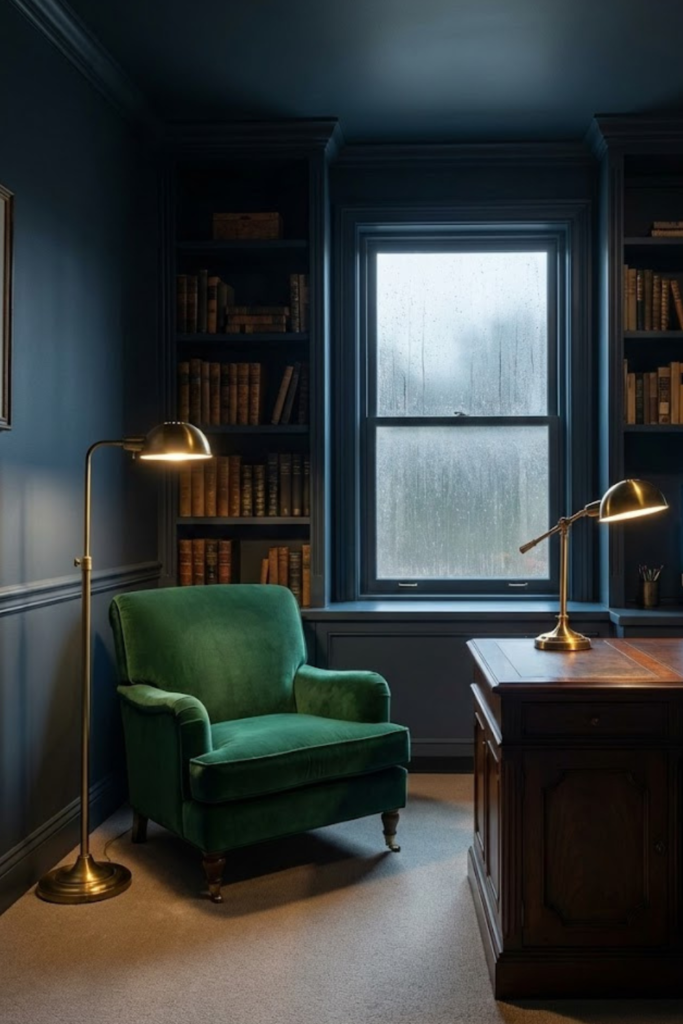
So, I decided to try color drenching. This is the “anti-accent wall.” Instead of painting just one wall, you paint everything the same color. The walls, the baseboards, the door frames, and yes—even the ceiling.
The “Hug” Effect
It felt really scary to roll dark green paint onto my white ceiling. I thought I was going to make the room feel like a cave. But the opposite happened.
When you remove the contrast between the walls and the ceiling, the corners disappear. You can’t tell where the wall ends and the ceiling begins. It actually makes a small room feel bigger and taller. It creates this seamless, immersive feeling.
My den doesn’t feel like a box anymore. It feels like a cozy hug. It is the perfect spot to grade papers or just sit with a cup of tea because there are no harsh lines to distract you. It creates a calm moody interior design that helps you focus.
My Favorite Colors for This (Right Now)
You can do this with light colors, but it looks much cooler with deep, moody shades. In 2026, we are seeing a lot of what they call “Silhouette”—it’s this mix of burnt umber and charcoal. It sounds dark, but it is very warm.
If brown feels too 70s for you, try a deep forest green. That is what I used.
A few tips if you try this:
- Sheen matters: I like to use a flat or matte finish on the walls and ceiling, but I switch to a satin finish for the trim and doors. You use the exact same color code, but the slight shine on the trim adds a nice texture difference.
- Lighting is key: Since you are darkening the room, make sure you have good lamps. The dark walls will soak up light, so a couple of warm floor lamps make the space feel glowy and magical at night.
It is a big leap of faith to paint your ceiling, but trust me, the payoff is huge. It turns a boring square room into a designed space instantly.
4. Architectural Curves and Drywall Niches
Why I Ditched My Bookshelves
I love books. I’m a teacher, so that probably surprises no one. But a couple of years ago, I looked around my living room and realized it felt… sharp. I had square tables, square windows, and these big, blocky bookcases taking up all the floor space. The room felt rigid.
I wanted something that felt smoother. That is when I started noticing the trend of architectural curves.
In 2026, we are moving away from just hanging stuff on the wall. Now, we are actually changing the shape of the wall itself. It sounds expensive, but it doesn’t have to be.
Softening the Edges
The big trend right now is “soft minimalism.” It’s about making a space feel calm by removing sharp corners.
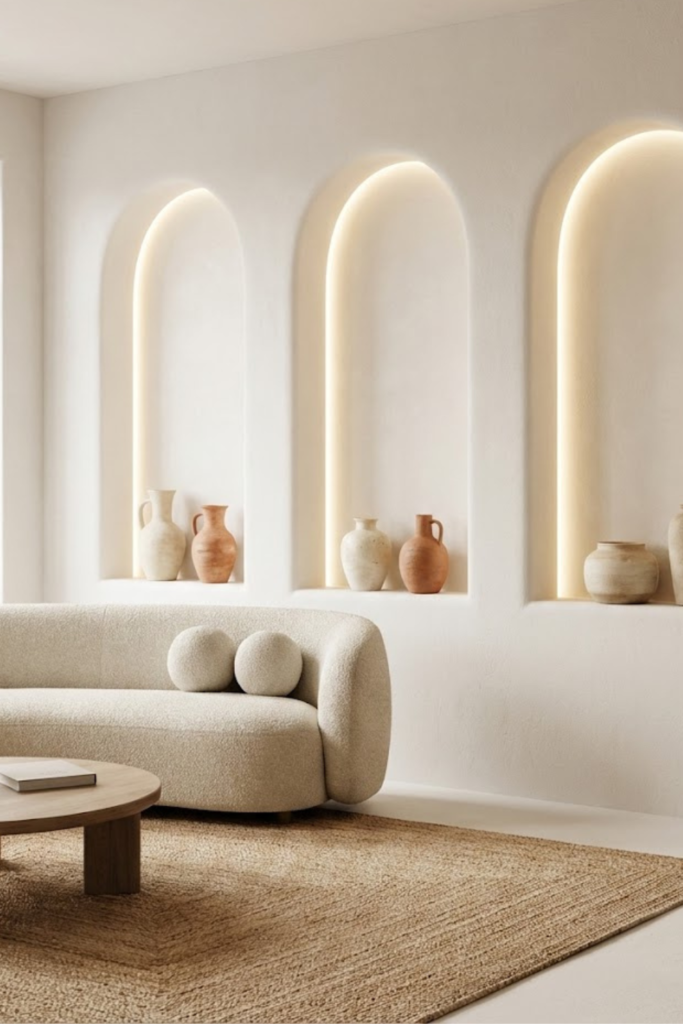
We decided to build two arched drywall niches on either side of our fireplace. Instead of buying new furniture, we framed out a false wall (just a few inches deep) and created these recessed shelves.
It completely changed the vibe. The arches make the ceiling look higher, and because the shelves are tucked into the wall, the room feels bigger. It gave us a place to display my favorite pottery and a few special books without the visual clutter of a heavy piece of furniture.
Is It a DIY Job?
Okay, I have to be real with you. I tried to do the first arch myself, and it was a mess.
Bending drywall is hard. If you want to try this, here is what I learned:
- Get the right corner bead: You can’t use the regular metal metal strips for corners. You need “vinyl arch bead.” It has little slits in it that let it bend into a perfect curve. That little piece of plastic saved my life.
- The dust is real: Sanding drywall mud creates a fine white powder that gets everywhere. If you do this, seal off the room with plastic. I was finding dust in my coffee cups for a week.
- Add the lights: If you are going to the trouble of building niches, put LED backlighting in them. We ran a simple LED strip along the top of the arch inside. At night, it highlights the texture of the vases and looks so fancy.
If you aren’t handy with a drill and mud, this might be one to hire a pro for. But even a small contractor job for a couple of niches is often cheaper than buying a high-end solid wood entertainment center.
It is a bit of work, but adding curves makes your home feel custom and thoughtful, like it was designed just for you.
5. Biophilic Living Walls (The Vertical Garden)
My Black Thumb
I love the idea of being a “plant mom.” I really do. Every year, I buy a bunch of ferns and succulents, promising myself I’ll keep them alive. And every year, by October, I’m throwing away a bunch of crunchy, brown sticks.
It’s embarrassing. But I still crave that green, fresh feeling in my house. It just makes me feel happier.
That’s why biophilic design is my favorite trend for 2026. “Biophilia” is just a fancy science word for “humans love nature.” We are wired to feel calmer when we see leaves. Since I couldn’t keep potted plants alive, I decided to go big. I looked into living walls.
The Zero-Effort Solution
At first, I looked at those vertical gardens with real pockets of dirt. But let’s be real—I am not going to climb a ladder to water a wall. Plus, the idea of water leaking down onto my hardwood floors gave me anxiety.
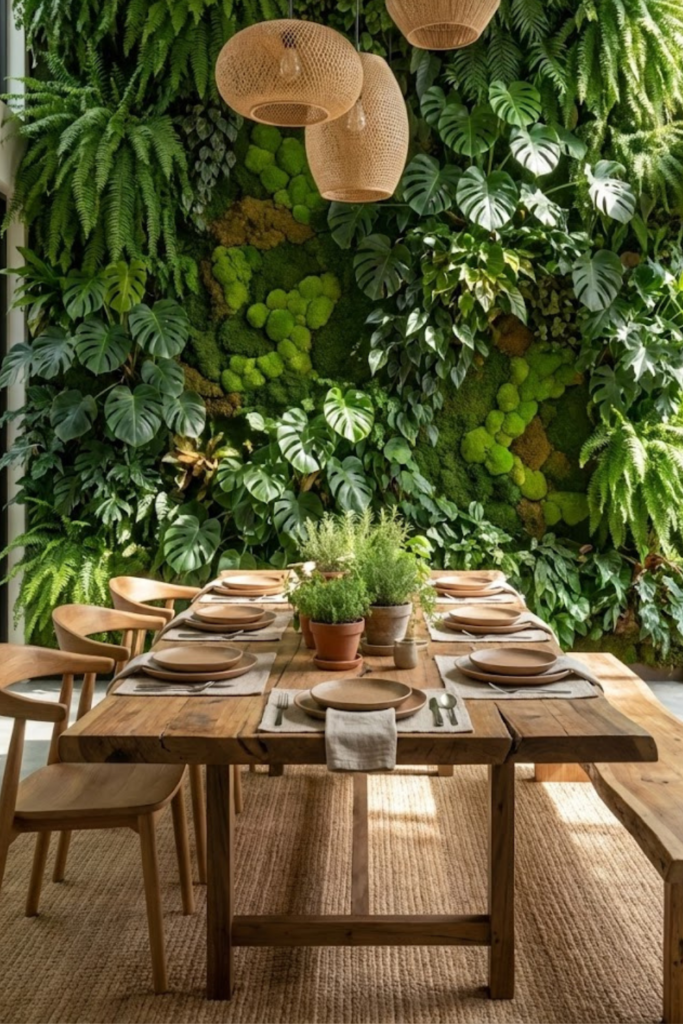
Then I found the secret: preserved moss walls.
This is what I put in my dining room. It’s real moss that has been treated with glycerin so it stays soft and green forever, but it’s technically not “alive” anymore. It doesn’t need water. It doesn’t need sun. It doesn’t need me to remember it exists.
Why It’s a Mood Booster
I put a large framed moss piece on the wall right where I drink my morning coffee. It’s strange, but just looking at that bright, fuzzy green texture wakes me up. It feels like a little window into a forest.
Studies say that looking at greenery lowers your heart rate. I believe it. It’s a great accent wall idea for a home office too, especially if you stare at a computer screen all day. It gives your eyes a soft place to rest.
DIY vs. Buying Art
You can actually make these yourself. I did a small one with my niece. You just buy bags of reindeer moss and glue it onto a board. It’s like a fun craft project.
But for the big wall, I bought some pre-made panels. They just hung up like regular pictures.
If you want to bring the outdoors in but you are terrible at gardening like me, this is the way to do it. It adds a pop of color that paint just can’t match, and you never have to worry about bug infestations or dead leaves on the floor. It’s all the joy of a garden with zero work.
6. Maximalist Murals and Wallpaper

My Fear of Commitment
I used to be terrified of wallpaper. My grandma had this peeling, yellow floral stuff in her kitchen that smelled like old soup. So, for years, I stuck to safe, solid paint colors. The idea of pasting something permanent on my walls gave me hives.
But then I saw a bathroom makeover online that stopped me in my scrolling. It wasn’t just a pattern; it was a whole jungle scene. It looked like art.
That is the trend right now: Maximalist Murals. We aren’t doing tiny little flowers anymore. We are doing big, bold stories on our walls.
Why Small Rooms are Perfect for This
I decided to try this in my powder room (the tiny bathroom guests use). It’s the smallest room in the house, which makes it the perfect place to go crazy.
I found a peel-and-stick wallpaper that looked like a misty mountain landscape.
Here is the best part: it is essentially a giant sticker. If I hated it, I could just peel it off. No scraping, no glue buckets.
When I put it up, the room actually felt bigger. I know, it sounds backward. You’d think a big pattern would close the walls in. But because the mural had “depth” (it looked like mountains fading into the distance), it tricked my eye into thinking the wall went on forever.
It’s Not Just for Bathrooms
I have seen people use these in entryways too. Imagine opening your front door and seeing a giant map of the world or a colorful abstract painting that takes up the whole wall. It sets a tone. It says, “Hey, a fun person lives here.”
If you want to try a mural, here is my advice:
- Don’t match everything: If your wall is loud and colorful, keep the rest of the room simple. In my powder room, I kept the towels and the rug plain white. The wall is the decoration.
- Check the scale: When you order online, make sure you know how big the image is. You don’t want a “forest” where the trees are only three inches tall. You want the big drama.
It is a fun way to bring some personality into your home without having to buy a bunch of expensive art prints. The wall itself becomes the masterpiece.
7. Stone Veneer and Brick Texture
Bringing the Outside In
My house was built in the 90s, which means it’s a lot of drywall and beige carpet. I’ve always been jealous of those cool loft apartments in the city with the exposed brick walls. They just have so much character.
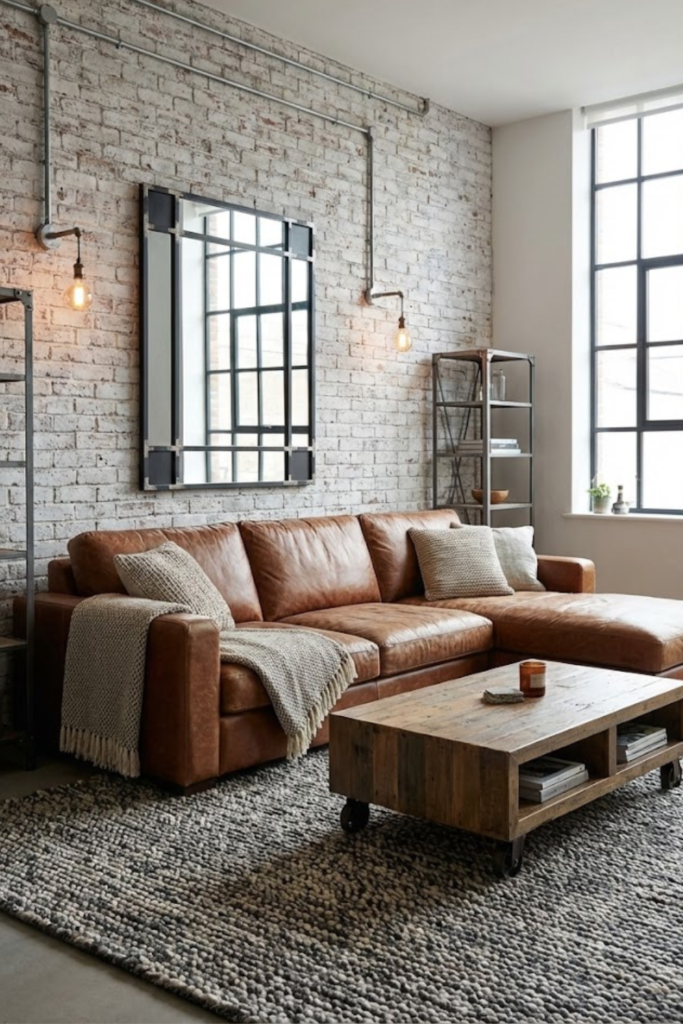
I used to think you couldn’t get that look unless you lived in an old factory. But recently, I discovered stone veneer.
It’s basically real stone (or sometimes a very good concrete copy) that is sliced thin. You glue it to the wall just like tile.
The “Cozy Cabin” Vibe
We have a gas fireplace that was just a hole in the sheetrock. It looked so sad and plain. Last winter, we decided to face that wall with a stacked stone veneer.
It was a messy job—mixing mortar in a bucket in the garage is definitely a workout—but the result is incredible. Now, when we sit in the living room, it feels like we are in a mountain lodge.
The rough texture of the stone catches the light from the fire and creates shadows that change throughout the day. It adds a sense of history and weight to the room that paint just can’t do.
It Works for Modern Rooms Too
You don’t have to go full “rustic cabin” if that’s not your thing. I’ve seen some really cool exposed brick walls painted white in modern apartments. It gives you that gritty texture but keeps the room bright and clean.
Where to use it:
- Fireplace surrounds: This is the classic spot. It makes the hearth the true center of the room.
- Behind a bar: If you have a little coffee station or a home bar, a brick backsplash looks amazing.
- An entryway wall: It’s durable. If kids kick it taking off their shoes, it won’t scuff like paint.
It’s a bigger commitment than wallpaper, for sure. You can’t just peel it off. But if you want a focal point that feels solid and timeless, stone is hard to beat. It makes your home feel built to last.
Conclusion
So, there you have it—seven different ways to wake up your walls. Whether you go for the quiet calm of limewash or the bold statement of a stone wall, the most important thing is that you like it. Your home is where you spend your life. It shouldn’t look like a showroom; it should look like you.
Don’t be afraid to try something new. Worst case scenario? It’s just a wall. You can always change it. But chances are, you’ll find that adding a little texture or color makes you love your home a whole lot more.
Found an idea you love? Save this article to your “Home Decor 2026” board on Pinterest so you don’t lose it!