I used to think “neutral” was just a polite word for “boring beige.” Years ago, I painted my entire first apartment a shade called “Linen White,” and honestly, it looked like a hospital waiting room. I remember sitting on my gray sofa, looking at the beige walls, and feeling absolutely nothing. It was clean, sure. But it had zero soul.
That was my big mistake. I thought neutral meant absence of color.
It took me a decade of experimenting (and a few disastrous paint choices) to realize that neutral design is actually about texture, warmth, and layers. It’s not about stripping a room bare; it’s about building a quiet, cozy foundation that lets you breathe. In 2026, we are seeing a huge shift away from the stark, cold grays of the past. Now, it’s all about “honeyed” tones, mushroom browns, and textures you just want to touch.
If you are tired of sensory overload and want a space that feels like a warm hug, you are in the right place. These designs aren’t just for looking at; they are for living in.
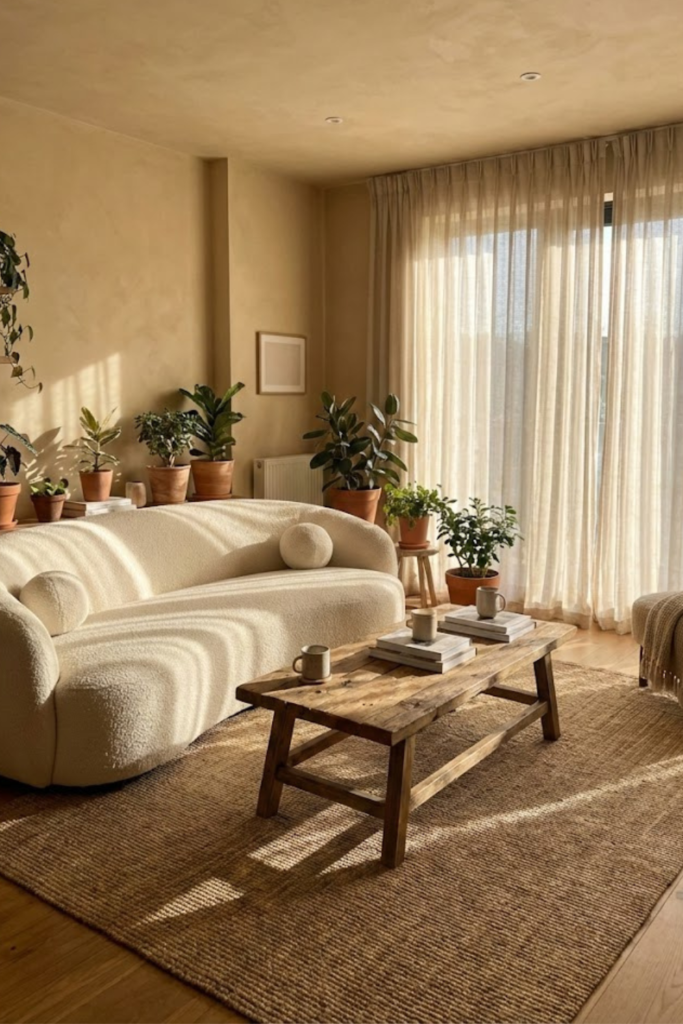
1. The “Honeyed” Glow
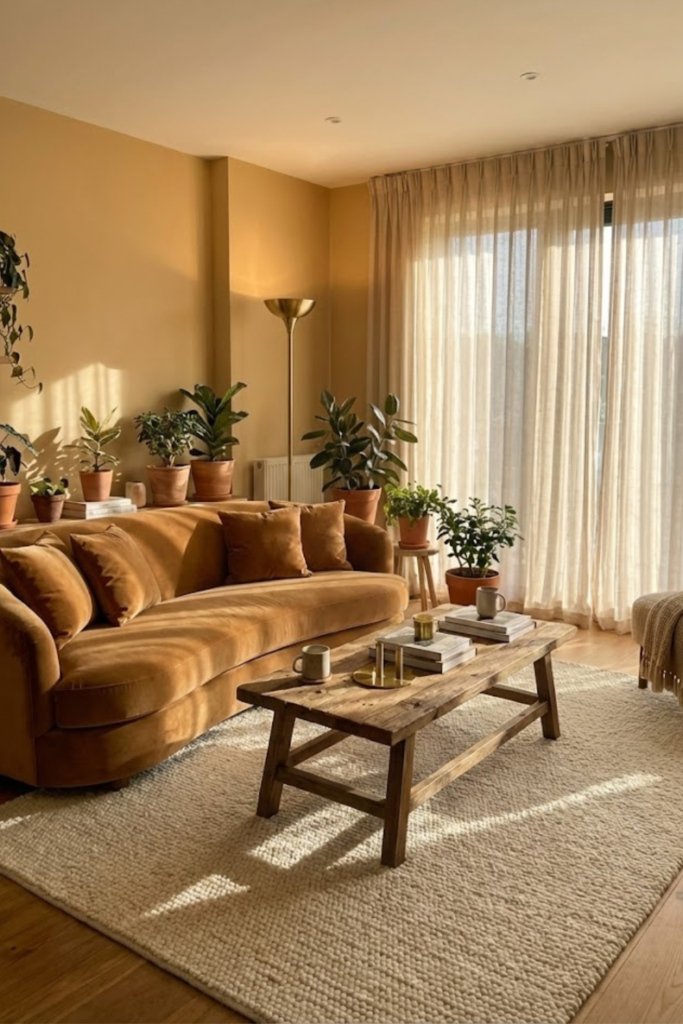
I used to avoid yellow-undertoned beiges because I was terrified they would look like a dated 1990s rental apartment. You know the ones—that “magnolia” look that felt cheap and dusty. But I was wrong. The biggest shift I’ve seen lately is the move toward “honeyed neutrals”—think butterscotch, thick cream, and warm caramel. It makes a room feel sunny even on a cloudy day, which is a lifesaver during those long, gray winters.
When you use these tones, you aren’t just painting a wall; you’re changing the temperature of the room. It feels like golden hour all the time. I’ve found that these colors work best when you layer them. Don’t just stop at the paint. Look for a throw blanket in a darker honey shade or a rug that has hints of toasted vanilla.
Start With a Warm Base
Begin your room by picking a wall color that feels edible. I’m talking about creamy butterscotch or a heavy warm vanilla. You want to stay away from anything too stark or “bright” white. Cold whites can actually look a bit gray or dirty when they sit next to these rich, golden tones. A warm base acts like a soft filter for the entire room.
Create Soft Contrast
The secret to making neutrals look expensive is contrast. If everything is the exact same shade of tan, the room looks like one big blur. I like to pick furniture in slightly darker caramel colors or even a light tan leather. This gives your eyes a place to land and makes the lighter walls pop. It’s about building depth rather than just filling space.
Play Up the Natural Light
This style absolutely loves the sun. If you have a room with big windows, you are in luck. These yellow undertones “glow” when the light hits them in the afternoon. Even if your room is a bit dark, these honey shades help bounce what little light you have around the corners, making the space feel much larger and friendlier than a flat gray would.
Skip the Silver Accents
One thing I learned the hard way is that cool metals kill the vibe of a warm room. Skip the chrome, brushed nickel, or silver frames. They look a bit harsh here. Instead, go for unlacquered brass or matte gold hardware. These metals have the same “soul” as the paint colors and keep that cozy warmth going through the whole space.
2. The Earthy “Mushroom” Palette
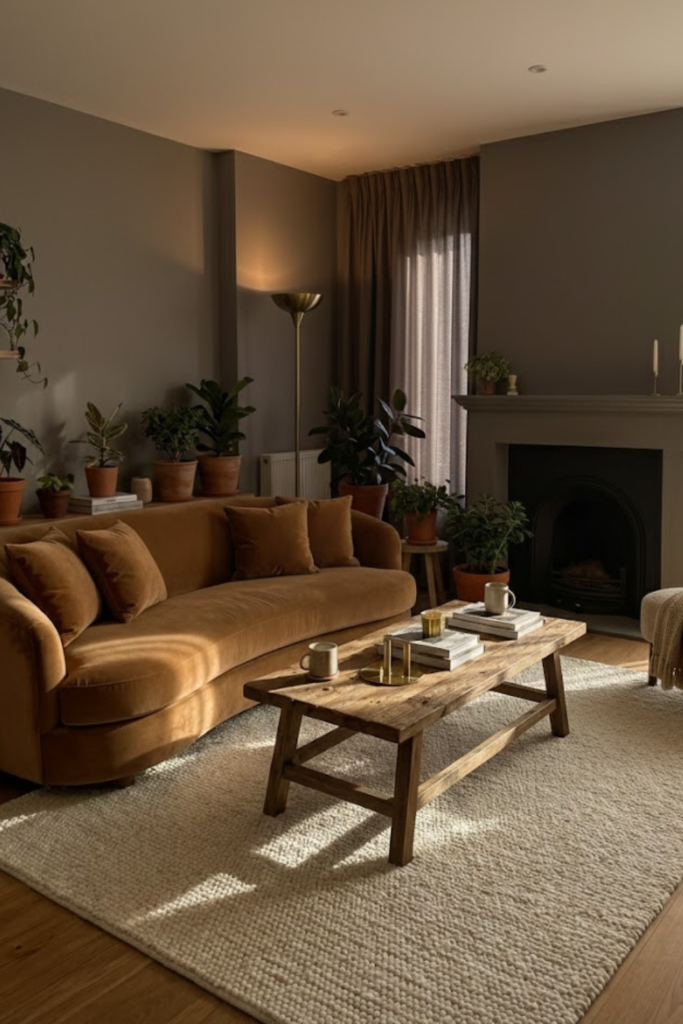
Gray had its moment, and for a long time, I loved it. But after a while, my gray living room started to feel a bit chilly, almost like a rainy day that wouldn’t end. That’s when I discovered “mushroom” and “putty.” These are the new grounded neutrals for 2026. They sit right in that sweet spot between gray and brown, and they have so much more character than a standard flat slate.
These tones feel organic, like something you’d find on a forest floor. They bring a sense of history and “weight” to a room that lighter beiges just can’t match. If you want a space that feels sophisticated but still very cozy, this is the palette to use.
Embrace the “Muddy” Tones
When picking paint, look for colors that feel a bit “muddy.” A perfect putty shade is hard to describe—it’s grayish, brownish, and sometimes has a tiny hint of green. The beauty of these colors is how they change throughout the day. In the morning light, the room might look like a soft stone, but by evening, under lamplight, it turns into a deep, chocolatey taupe.
Invest in Velvet Accents
If you are going with a mushroom palette, velvet is your best friend. I bought a mushroom-colored velvet sofa last year, and it was the best decision I made for that room. Not only does the fabric catch the light beautifully, but this specific color is a champ at hiding life’s little messes. Coffee spills or pet hair just seem to blend right into the shadows of the fabric.
Pair With Darker Woods
To keep this look from feeling too heavy, you need to pick the right wood tones. I’ve found that pale pine or light oak can sometimes look a bit cheap against these sophisticated earthy tones. Instead, try walnut or a dark, stained oak. The richness of the dark wood pulls out the brown undertones in the paint and makes the whole room feel much more expensive and “done.”
Create a Grounded Feel
This design style is perfect for rooms where you want to relax, like a den or a TV room. Because the colors are a bit darker, they create a “cocoon” effect. It feels very safe and enclosed. I like to keep the ceiling a slightly lighter version of the wall color rather than a bright white; it stops the room from feeling “cut off” at the top and keeps that cozy vibe going all the way up.
3. Texture-Maxxing Sanctuary
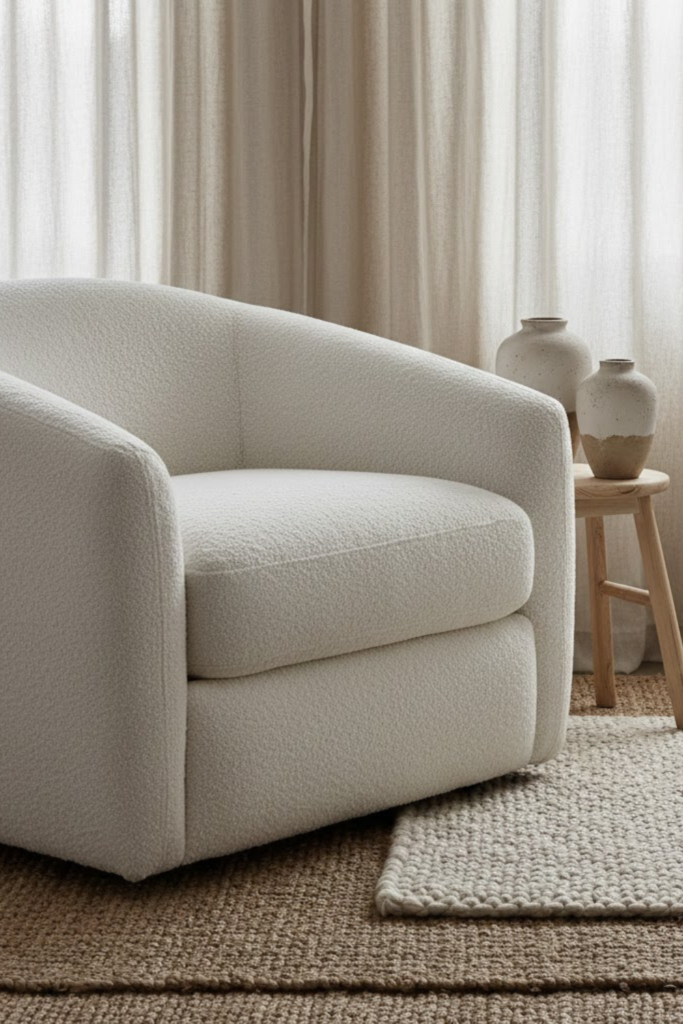
I once designed a room that was perfectly color-coordinated, but it felt… flat. It was like looking at a cardboard box. The problem wasn’t the colors; it was that everything was smooth. “Texture-maxxing” is the fix I wish I knew years ago. It’s about layering different materials so your eye has something to grab onto, even when there isn’t a single bright color in sight.
When you strip away bold patterns, texture has to do the heavy lifting. You want a mix of things that feel scratchy, soft, cold, and warm. It’s the difference between a room that looks like a showroom and one that feels like a home you can actually nap in.
Bouclé is Back for a Reason
If you haven’t sat in a bouclé chair yet, you’re missing out. It’s that nubby, loopy fabric that looks a bit like sheep’s wool. I love using a bouclé armchair or even a small ottoman in a neutral room. It adds an instant “3D” effect to the corner. Plus, if you have cats, I’ve found this fabric is surprisingly good at hiding those little snag marks they leave behind.
Layer Your Rugs
Don’t just buy one rug and call it a day. I like to put a large, flat-weave jute or sisal rug down first to cover most of the floor. Then, I toss a smaller, much fluffier wool or vintage rug right on top near the sofa. This layering makes the floor look interesting and feels much better on your feet when you’re walking around barefoot in the morning.
Rough vs. Smooth
The magic happens in the contrast. I try to put a rough, handmade ceramic vase on top of a very smooth glass or polished stone table. Or, I’ll place a chunky knit throw blanket over a sleek leather chair. These little “arguments” between materials are what keep a neutral room from feeling boring. It gives the space a sense of balance.
Choose Washed Linen
Forget those stiff, shiny cotton curtains that look like they belong in a hotel. For a textured sanctuary, I always go with washed linen. It’s naturally wrinkly and floppy, and it should “puddle” just a tiny bit on the floor. When the breeze hits them, they move in a way that feels very calm. It’s an easy way to make a room feel more expensive without spending a fortune.
4. Rich Neutrals (Brown & Burgundy)
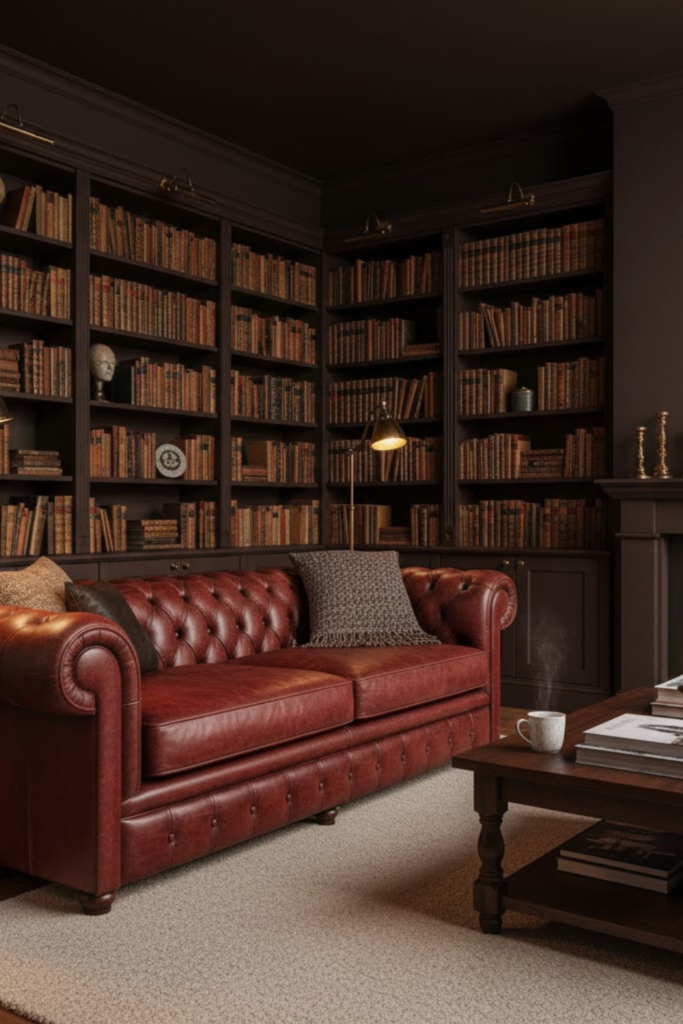
Okay, hear me out: Burgundy is a neutral now. I used to be terrified of dark colors, thinking they’d make my living room feel like a tiny cave. But in 2026, we are seeing a move toward “rich neutrals.” This means using deep browns and oxblood reds as the foundation of the room instead of just an accent. It’s not about having a bright red room; it’s about a brown room with deep, red undertones that feels incredibly expensive and historic.
When you walk into a room with this palette, your heart rate actually slows down. It feels established, like a library in an old estate. It’s the perfect way to add drama without needing to paint a “feature wall” in a neon color.
Don’t Fear the Brown Walls
Most people reach for white paint because they think it makes a room bigger. I’ve found the opposite can be true. Painting a room a deep, chocolate brown can actually make the walls “disappear” into the shadows, making a large room feel cozy and intimate. It creates a backdrop that makes every other piece of furniture stand out like a piece of art.
Add Burgundy Accents
To keep the brown from feeling too flat, you need to bring in those burgundy or maroon tones. I like to add a leather ottoman or a few heavy velvet throw pillows in a deep oxblood. These colors share the same “DNA” as brown, so they don’t jump out at you. Instead, they just add a layer of warmth that makes the room feel much more sophisticated.
Lean Into the Library Vibes
This design style loves books. If you have a collection of old hardbacks, show them off. I use floor-to-ceiling shelves to add even more texture and warmth to the space. The different colors of the book spines act as a natural pattern that breaks up the solid dark walls. It’s a great way to make the room feel lived-in and personal.
Focus on Leather
A worn brown leather chair is the anchor piece for this look. Leather is one of the few materials that actually gets better as it gets older and more scratched up. I found an old leather armchair at a thrift shop years ago, and the more “character” it gets, the better it looks against those rich, dark walls. It provides a natural texture that fabric just can’t replicate.
5. Soft Clay & Terracotta
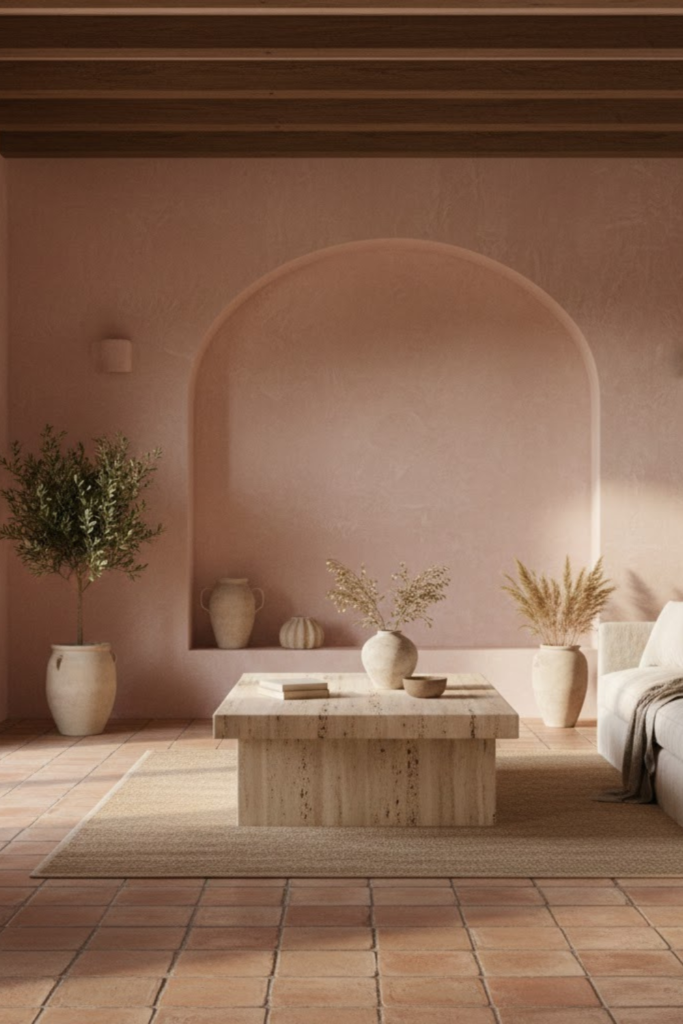
This is for anyone who wishes they lived in a sunny Mediterranean villa. Soft clay and terracotta tones bring a baked-earth warmth that feels very organic. To me, this is way more inviting than the “all white” minimalist look that was popular a few years ago. It’s a palette that feels like it has been warmed by the sun for centuries.
When I started using these earthy pinks and oranges, I noticed my living room felt much “softer.” It’s a great way to use color while staying firmly in the neutral family. These shades play really well with natural materials like stone and wood.
Try a Plaster Finish
If you really want to lean into this look, look into a lime wash or a plaster finish for your walls. It gives them a dusty, old-world texture that catches the light in a beautiful way. I love how it looks slightly imperfect; it removes that “flat” feeling of standard latex paint. It makes the walls feel like they have a story to tell.
Lean Into “Earthy Pinks”
Don’t be afraid of pink. I’m not talking about a bubblegum pink, but rather colors that blur the line between beige and clay—sometimes called “setting plaster” shades. These colors act as a neutral but have a glow that makes people look better when they are sitting in the room. It’s a very flattering palette for both the house and the people in it.
Put Pottery Everywhere
This style is the perfect excuse to start a pottery collection. I like to display unglazed terracotta pots, bowls, or even large floor vases. The matte, slightly rough surface of the clay is a great contrast to soft sofa cushions. You don’t even need to put plants in them; the shapes themselves are enough to decorate the space.
Use Warm Stone
Instead of using cold, white marble for your coffee table, try travertine or sandstone. These stones have natural holes and textures that fit the “clay” vibe perfectly. I found a small travertine side table at a yard sale, and its sandy color pulled the whole room together. It feels much more grounded and less formal than shiny marble.
6. Quiet Luxury Minimalism
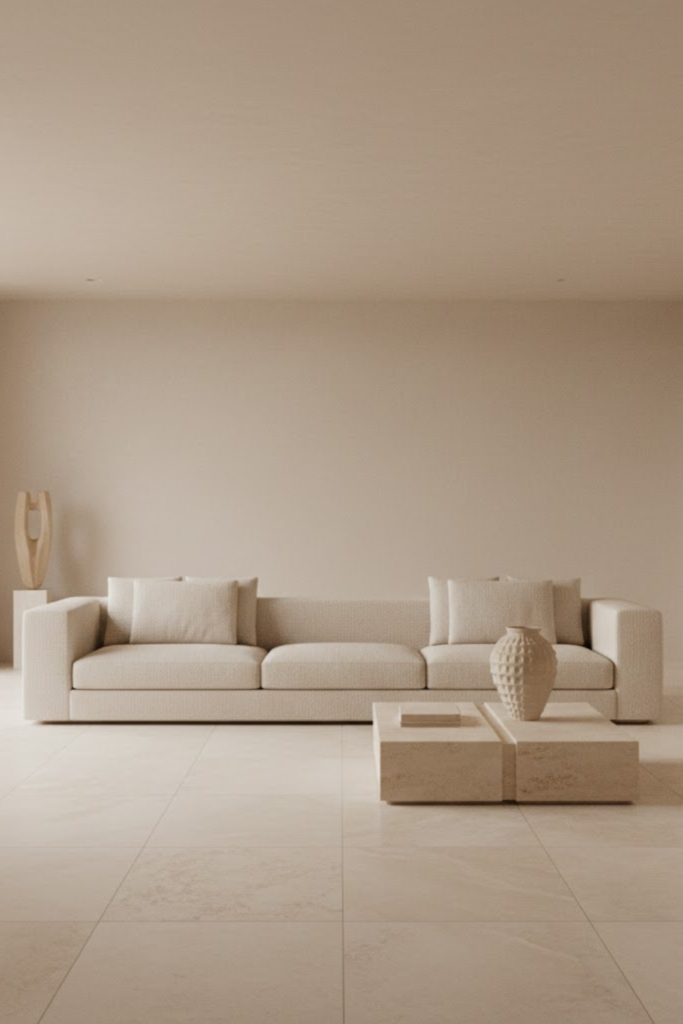
“Quiet Luxury” is a phrase people use a lot lately, but it’s really just a fancy way of saying “quality over quantity.” I’ve spent years filling my house with cheap furniture that looked okay from a distance but felt like plastic when you actually sat on it. Eventually, I realized that a neutral room feels much more expensive when you have fewer things, but the things you do have are really well-made.
In 2026, this look is getting a bit softer. It’s not about living in a cold, empty white box anymore. It’s about creating a space that feels calm and high-end by focusing on the materials and the shapes of the furniture.
Stick to Low Profiles
One thing I’ve noticed in high-end homes is that the furniture usually sits lower to the ground. Instead of a sofa with big, pointy wooden legs, look for “blocky” designs that almost touch the floor. It makes the ceilings feel taller and gives the room a very grounded, relaxed vibe. It’s a small change that makes a huge difference in how “designed” the room feels.
Go Monochromatic (With a Twist)
To get that luxury look, try sticking to one main color for almost everything—walls, curtains, and the sofa. I really like using a warm “oatmeal” or a light stone color. The trick is to vary the shades just a tiny bit so it doesn’t look like a flat painting. When the colors match closely, the room feels like a seamless, peaceful sanctuary.
Focus on High-Quality Materials
Since you aren’t using bright colors to distract the eye, the materials have to be the star. I try to save up for one “real” piece rather than three “fake” ones. Look for solid wood instead of veneer, real wool instead of synthetic blends, and actual stone. If a big marble table isn’t in the budget, even a small, heavy stone tray on your ottoman can give off that luxury feel.
Don’t Be Afraid of Empty Space
This was the hardest lesson for me to learn. I always felt like I needed to put a plant or a lamp in every single corner. But quiet luxury needs “negative space” to breathe. Leave a wall mostly bare or keep a corner empty. It shows that you are confident in your design and makes the pieces you do have look like they are in a gallery.
7. The New “Greige” (Warm Gray)
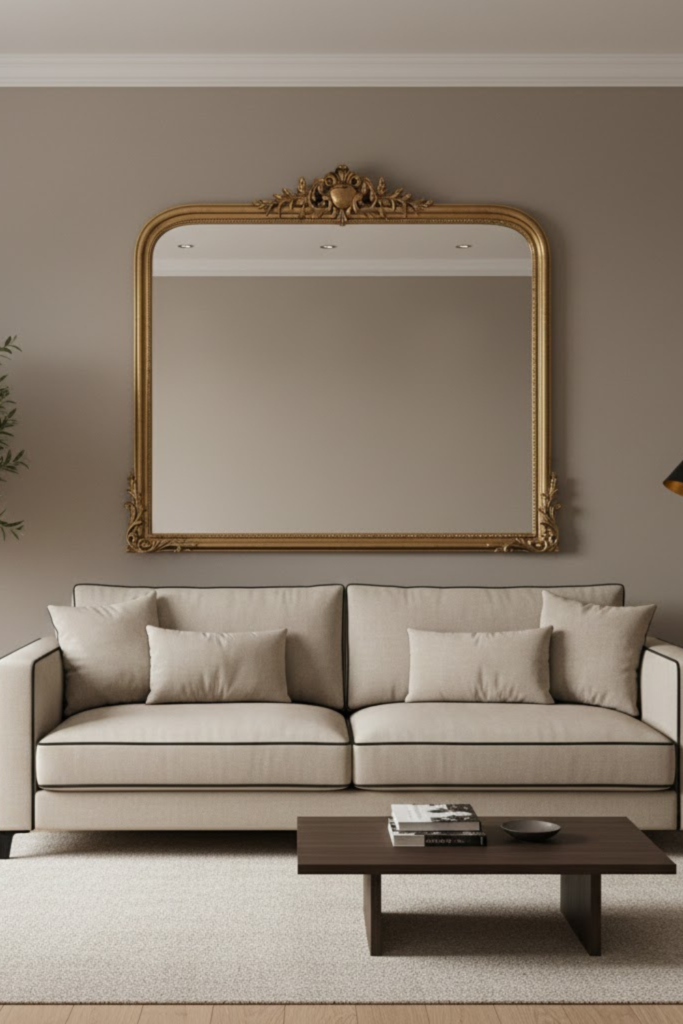
If you really love gray and just can’t bring yourself to quit it, I have good news: you don’t have to. You just need to warm it up. The new “Greige” for 2026 is leaning much more heavily into the beige side than the gray side. It’s the perfect bridge for people who want a modern, clean look but don’t want their living room to feel like a cold office building.
I’ve found that this color is a total chameleon. It changes based on what you put next to it. It’s probably the most versatile neutral I’ve ever worked with because it plays nice with both cool blues and warm oranges.
Look for Green Undertones
When you’re at the paint store, look for greiges that have a tiny hint of green or olive in the base. It might look a bit like khaki in the tin, but on the wall, it feels very organic. This tiny bit of green connects your living room to the trees and plants outside your window, which makes the whole space feel more alive and less “plastic.”
Mix in Vintage Gold
To stop a greige room from looking flat, you need to add some shine. I love pairing these walls with vintage-style gold frames or large antique mirrors. The yellow in the gold pulls out the warmth in the paint. I recently found an old ornate mirror at a flea market, and once I hung it on my greige wall, the whole room suddenly felt intentional and classic rather than just “plain.”
Use Thin Black Accents
Since greige can be a bit of a soft, fuzzy color, you need something to “tighten” the look. I like to use thin black lines to give the room definition. Think of a slim black floor lamp, a black metal picture frame, or even a coffee table with thin black legs. It acts like eyeliner for your room, making all the soft neutral colors stand out more clearly.
The Ultimate Versatility
The best thing about this specific design is that it’s nearly impossible to mess up. Because greige is so balanced, you can change your mind about your decor every season. One month I’ll have blue pillows, and the next I’ll swap them for rust-colored ones—and they both look great. It’s the safest bet if you’re someone who likes to refresh your space often without repainting the walls.
Conclusion
Neutral living rooms don’t have to be bland or forgettable. Whether you go for the sunny vibes of “Honeyed Glow” or the moody, library-esque depth of “Rich Neutrals,” the trick is always in the layers. I’ve learned that you shouldn’t just paint a wall white and walk away. You have to add the rug, find the weird textured vase, and maybe even paint a room a color that feels a little bit “too much” at first.
Your home should feel like a place where you can actually kick your shoes off, not a stiff catalog page. Neutrals give you the quiet backdrop to do exactly that.