Did you know that physical clutter actually competes for your attention, decreasing performance and increasing stress? In fact, mental health diagnoses jumped by nearly 40% between 2019 and 2023, and researchers have found a direct link between cluttered environments and elevated cortisol (stress hormone) levels. It’s no wonder we are collectively craving a reset!
But here is the twist for 2026: Minimalism isn’t just about whitewashed walls or living with a single chair anymore. It has evolved. We are seeing a shift away from the “stark” clinical look toward “Warm Minimalism”—a style that prioritizes comfort, texture, and emotional well-being alongside clean lines. As Nicholas Burroughs beautifully put it, “Minimalism is not a lack of something. It’s simply the perfect amount of something”.
In this guide, we’ll explore 7 minimalist room decor ideas that blend functionality with the “cozy” vibes trending this year, helping you design a home that feels as good as it looks.
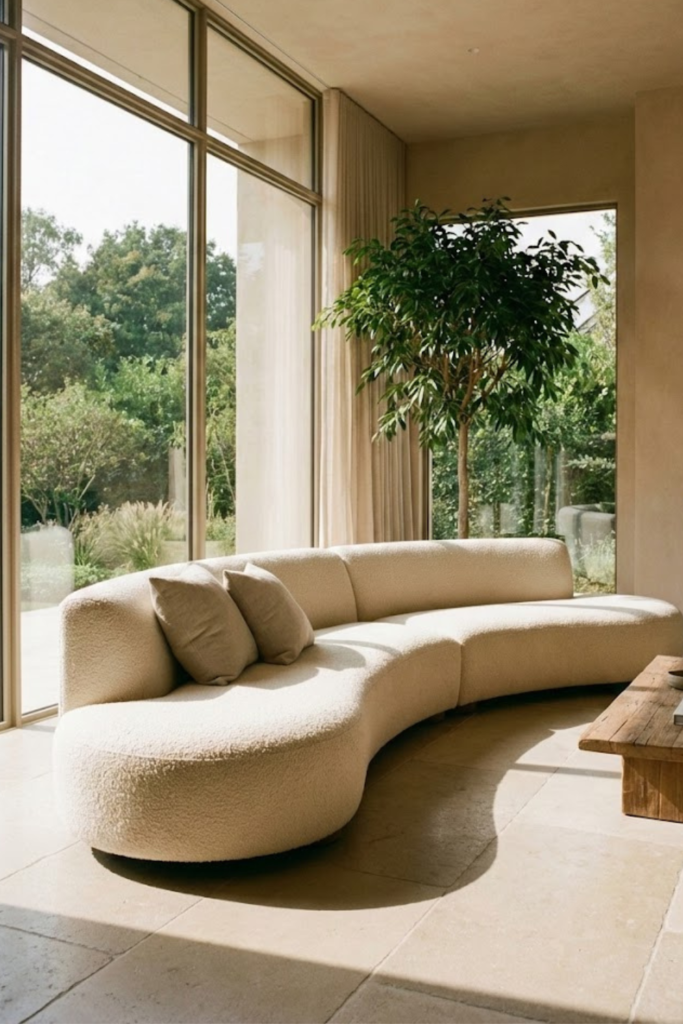
1. Embrace “Warm Minimalism” with Earthy Neutrals
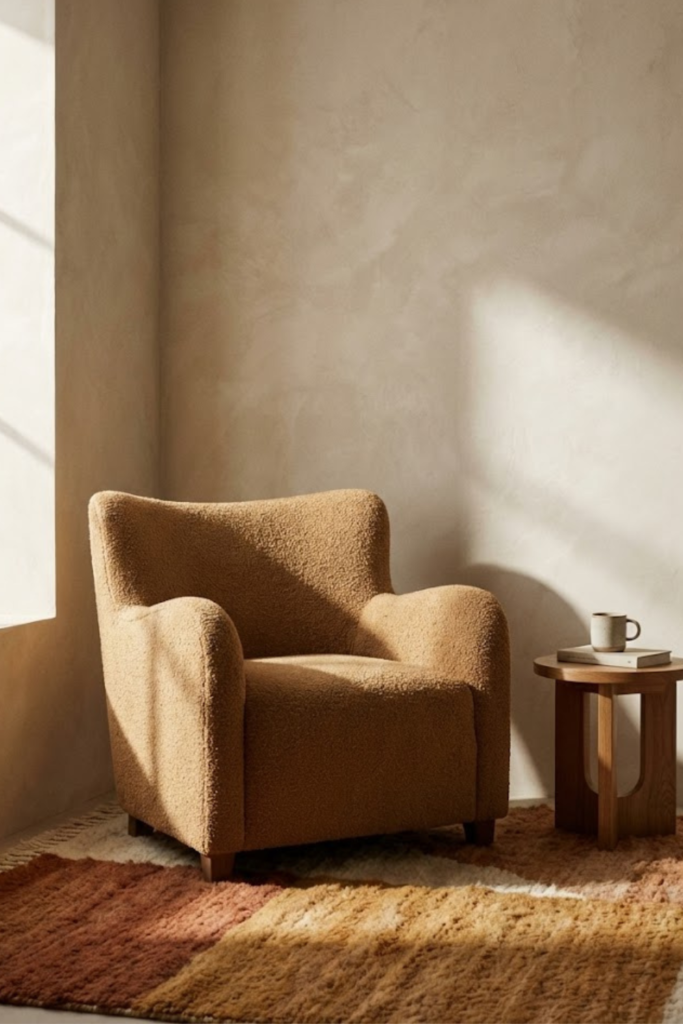
I used to think minimalism meant living in a cold, white box. You know, like a hospital room? But in 2026, things are different. We are seeing a huge shift to what folks call “Warm Minimalism.” It’s still clean and simple, but it actually feels like a home.
Instead of stark bright whites, think about using “warm neutrals.” I’m talking about colors like almond beige, soft honey brown, or even creamy oat shades. These colors make a room feel like a gentle hug. It creates this “cocoon” effect that is just so relaxing after a long day.
A great trick I’ve seen work wonders is “color-drenching.” That’s just a fancy way of saying you paint the walls, the trim, and even the ceiling the exact same color. It makes the room look seamless and stops your eye from getting distracted by all the lines. Mix that with some soft blankets in unbleached linen or wool, and you’ve got a space that quiets your mind. It’s not just about looking good; it’s about lowering that visual noise so you can actually breathe.
2. Blur the Lines: Indoor-Outdoor Connectivity
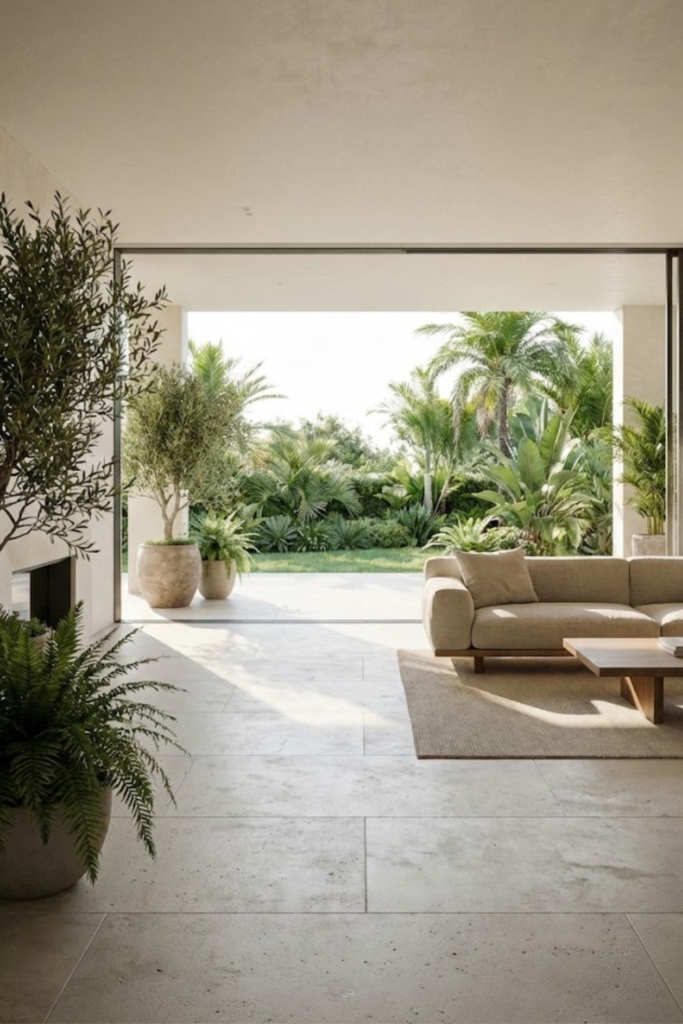
You know, the best art isn’t always something you buy at a store. Sometimes, it’s just the tree right outside your window. I used to cover my windows with thick curtains because I thought that’s what you were supposed to do. But for a minimalist look, natural light is actually your best friend.
Try making your view the main focus. If you have a nice window or a sliding glass door, arrange your furniture to face it. I found that when I stopped pointing everything at the TV and started looking outside, the room felt twice as big. It connects you to nature, which is super calming.
Also, here is a neat trick if you are redoing floors: try to match your indoor floor color with your outdoor patio or balcony. It tricks your eye into thinking the room just keeps going. And if you can’t change the floors, just bring in some big potted plants. It blurs that line between “inside” and “outside” so you don’t feel closed in. It’s simple, but it works.
3. Master the Art of Hidden Storage & Multi-Functionality
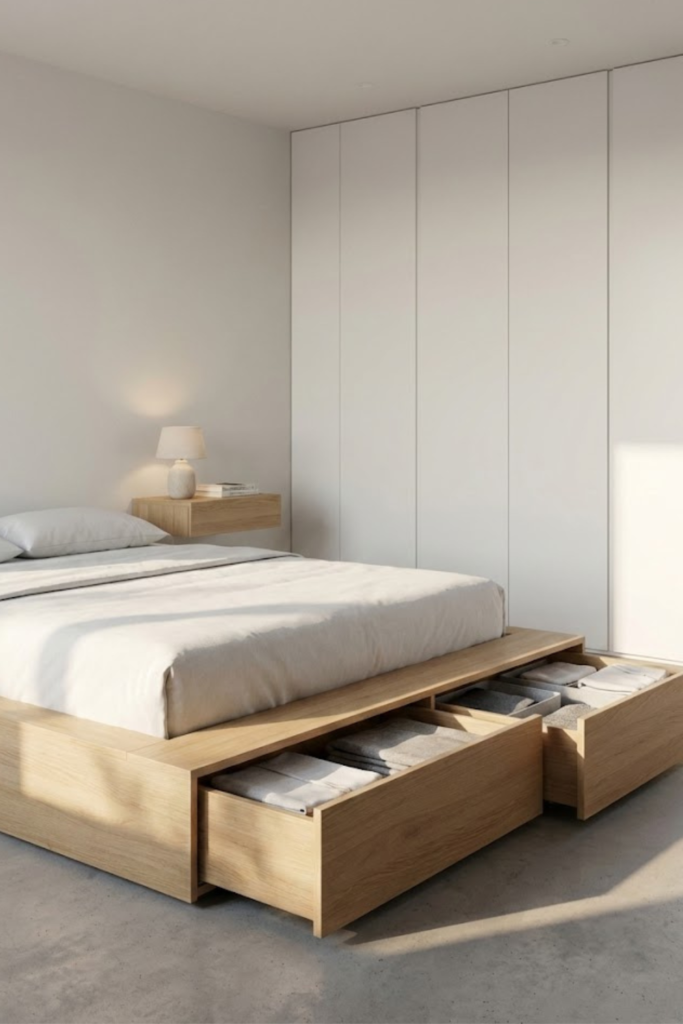
Honestly, clutter is the enemy of a calm mind. I read somewhere that looking at a messy pile actually raises your stress levels. But let’s be real, we all have stuff. You can’t just throw everything away. The trick is to hide it so you don’t have to look at it constantly.
I love furniture that does two jobs at once. In my living room, I swapped my old coffee table for an ottoman that opens up. It holds all the blankets and remotes that used to sit out. It keeps the surfaces clear, which makes the whole room feel lighter.
Another game changer is “invisible” storage. If you are getting new cabinets or wardrobes, look for the ones without handles—the push-to-open kind. They blend right into the walls. It stops your eye from catching on little details. Also, think about flexible spaces. A guest room can be an office if you have a desk that folds away. You don’t need a huge house, just smarter furniture.
4. Add Depth with Textured Walls (Limewash & Plaster)
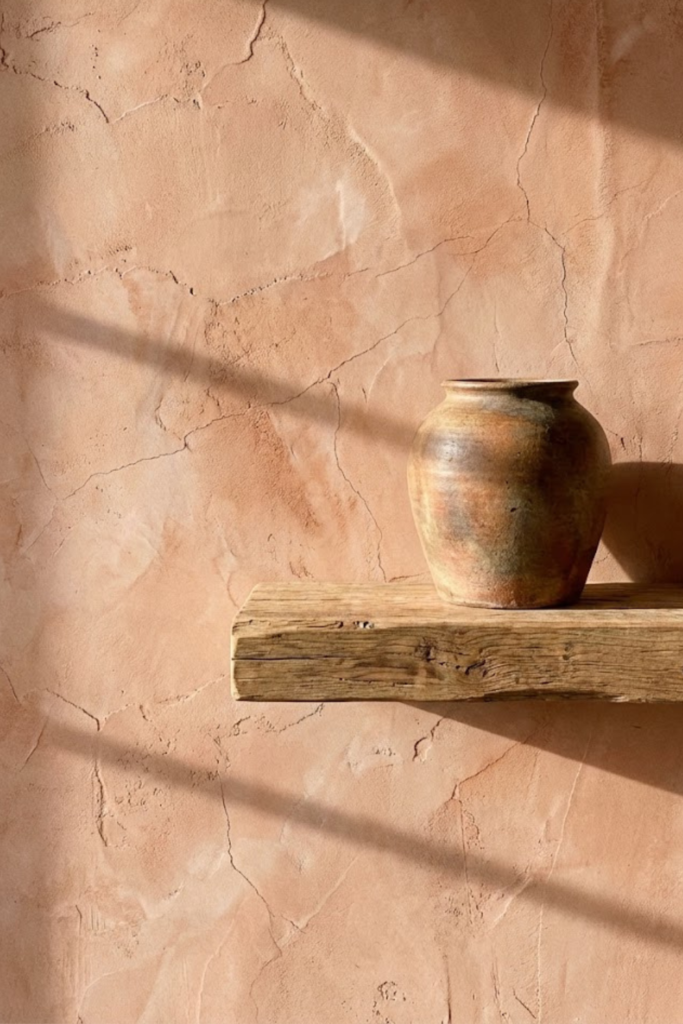
I used to rely on hanging lots of picture frames to make a wall look finished. But honestly, dusting all those frames is a pain, and sometimes a “gallery wall” just feels too busy for a quiet room. The new minimalist way is to let the wall be the decoration.
Instead of just slapping on flat paint, think about using textures like limewash or plaster. I tried limewash in my hallway, and it has this cloudy, soft look that changes depending on how the light hits it. It adds so much character, but it doesn’t take up any physical space.
If you aren’t into painting, you could look at wood panels with simple vertical grooves. It adds a little shadow and pattern to the room. It’s perfect because you get that cozy, finished feeling without needing to buy extra knick-knacks. It keeps things simple but stops the room from feeling like a plain white box.
5. Curate “Meaningful” Decor (The Anti-Clutter Mindset)
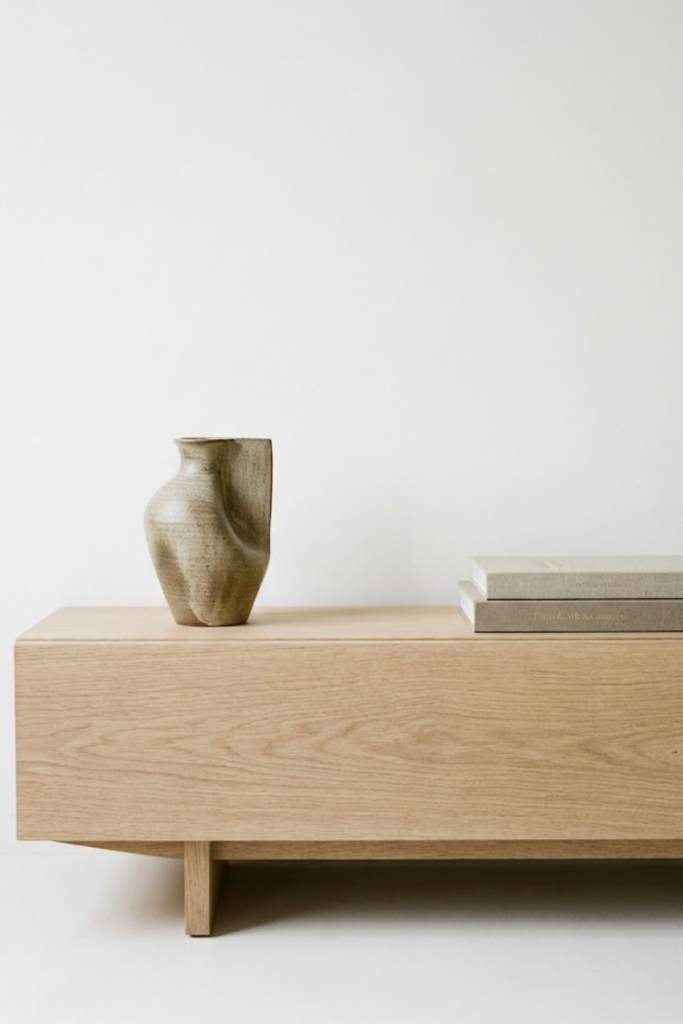
I used to think empty shelves looked sad. I’d rush out and buy little knick-knacks just to fill the gaps. But honestly? It just ended up looking messy and I didn’t even really like half the stuff I bought.
Now, I follow a different path. I try to only keep things that mean something to me. If it doesn’t have a story or make me smile, it goes. This is way better than just having random “stuff” collecting dust. It makes your home feel like yours, not just a page out of a catalog.
I also try to use the “one in, one out” rule. If I bring home a new decorative bowl, an old one has to leave. It keeps the balance. And don’t be scared to leave some space empty! That empty space isn’t bad; it actually highlights the few nice things you have. It gives your eyes a place to rest.
6. Lighting as Sculpture: Soft, Smart, and Layered
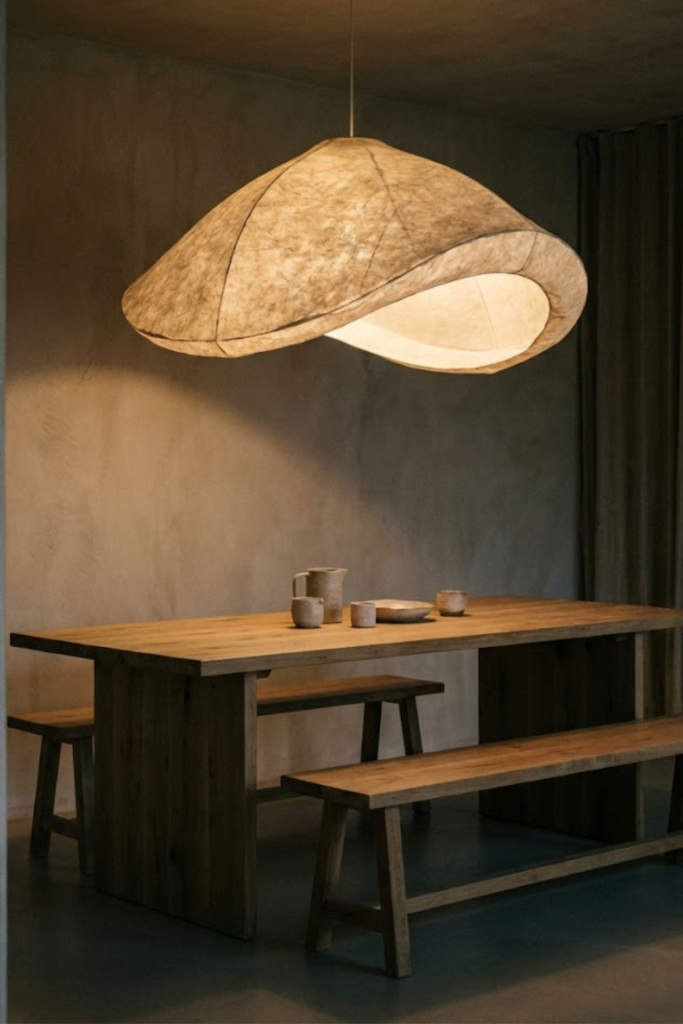
Here is a mistake I made for years: relying on just one big light in the middle of the ceiling. It feels like an interrogation room! In a minimalist room, since you don’t have a ton of clutter, your light fixtures actually become the art.
I swapped my boring ceiling fan for a pendant light with a nice, organic curve. It’s like a piece of sculpture floating in the air. But it’s not just about looking pretty. You need “layered” lighting. That means using floor lamps in the corners or little wall sconces. It creates these soft pools of light that make the room feel cozy instead of flat.
Also, I finally got some smart bulbs. I know, it sounds techy, but being able to dim the lights from my phone without getting up is amazing. I keep the light “warm” (look for 3000K on the box) so it doesn’t feel cold. It’s a small change that makes the whole room feel expensive.
7. Sustainable & Organic Materials (The “Eco-Chic” Shift)
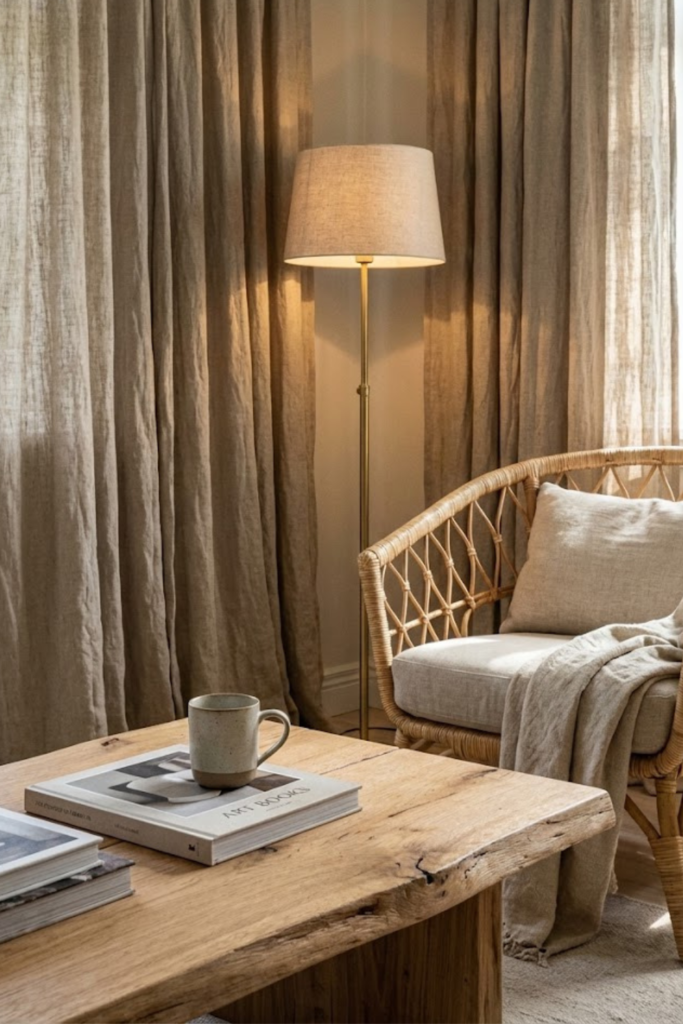
I used to buy that cheap furniture made of particle board because it was easy on my wallet. But honestly? It usually fell apart after a move or two. Now, I’ve realized that investing in real, natural materials is way better for my home and my peace of mind.
In 2026, the trend is all about things that look better as they get older. I’m talking about solid wood tables that get little scratches (which actually look cool) or unlacquered brass that changes color over time. It feels “grounded.”
Also, try to mix in some eco-friendly stuff like bamboo or rattan. I added a rattan chair to my corner, and it instantly warmed up the space. And don’t forget about texture! Since we aren’t using a lot of colors, the way things feel is super important. A rough wool rug or a soft linen throw blanket adds a layer of comfort that smooth plastic just can’t give you. It makes the room feel alive.
Conclusion
Wrapping this all up, minimalism in 2026 isn’t about following strict rules or living in a place that feels empty. It is really about creating a home that takes care of you. By switching to those warm, earthy colors and finding smart ways to hide the clutter, you are actually building a space that helps you relax.
I know it can feel like a big job to change up your house. But you don’t have to do it all at once. Just start with one corner or one drawer. Remember, the goal is to lower your stress, not add to it! If you take it step-by-step, you’ll find that a calmer home really does lead to a happier mind.
If you found these tips helpful, please pin this article to your “Home Decor” or “Organization” board on Pinterest. It helps others find these ideas, and it keeps them saved for when you are ready to start your next project!