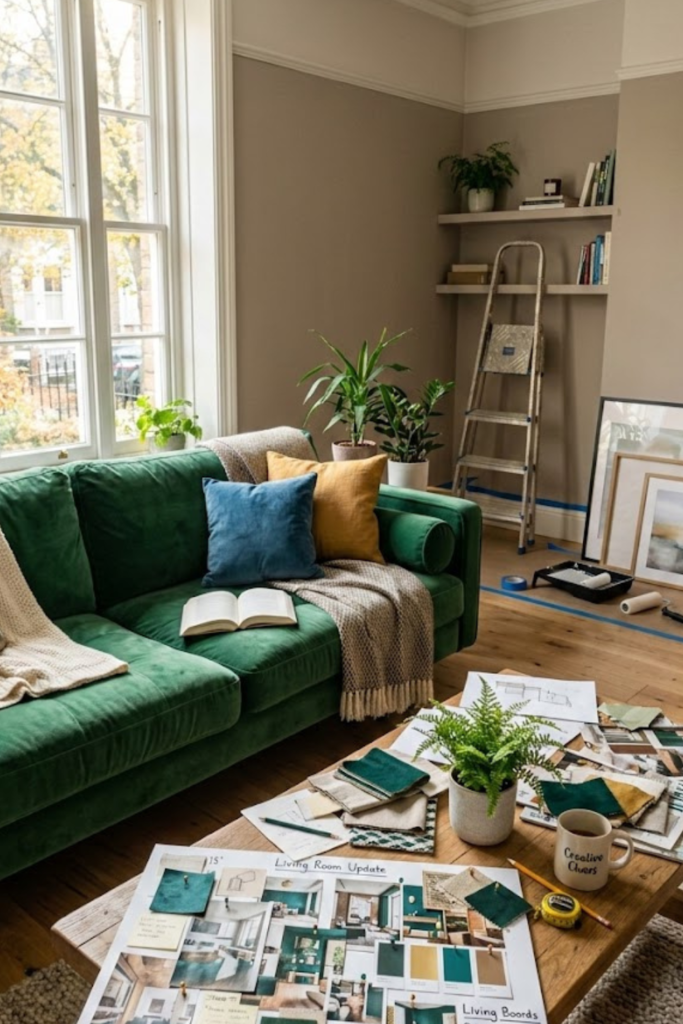
Did you know that according to recent interior surveys, over 70% of homeowners feel their mood improves significantly after a simple room refresh? I’ve spent years helping folks realize that you don’t need a sledgehammer to change your life; you just need a better layout! In this guide, we’re diving into 7 living room transformation designs that are hitting it big in 2026. Whether you’re dealing with a cramped apartment or a dated suburban den, we’re going to mix high-end aesthetics with practical, cozy vibes to make your home feel brand new.
1. The Biophilic Sanctuary: Bringing the Outdoors In
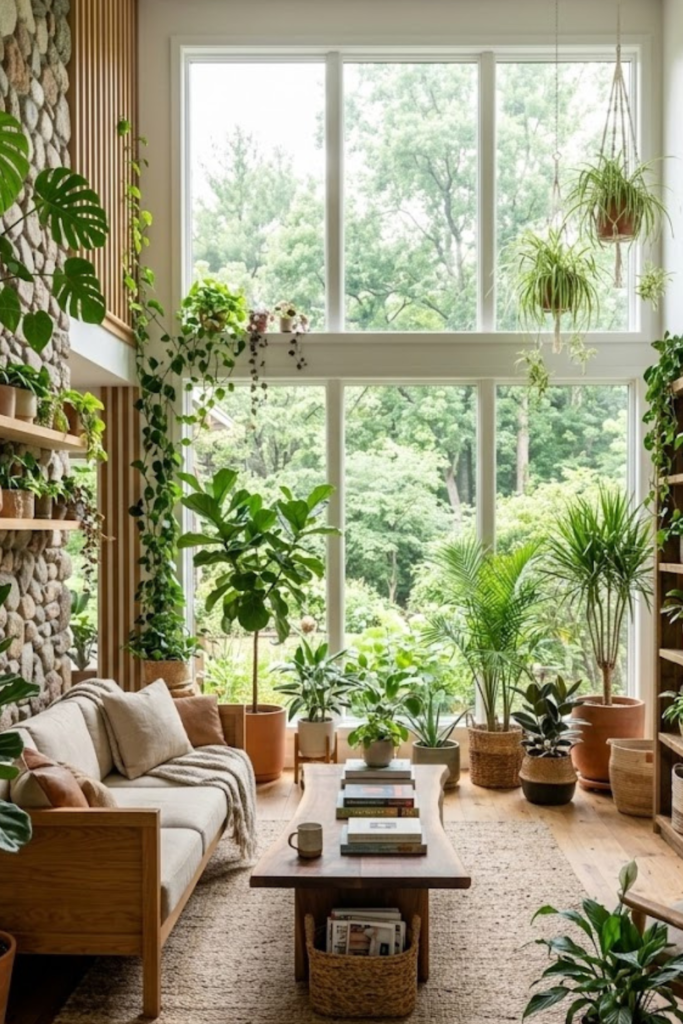
I’ve always felt that the best decorator isn’t found in a high-end showroom—it’s actually Mother Nature. A few years back, my living room felt cold and, honestly, a bit soul-less. I started adding a few potted plants, then a few more, and suddenly the whole energy of the house changed. This “biophilic” style is all about that connection. It’s not just about buying a fern and calling it a day; it’s about making your indoor space feel like a natural extension of the world outside.
To get this look, I suggest starting with your light. If you have big windows, don’t hide them behind heavy drapes. Use sheer fabrics that let the sun pour in. I love using “living walls” or even just a cluster of different sized plants in a corner to create a focal point. It actually helps clean the air, too, which is a nice bonus.
For materials, think raw and honest. I traded my glass coffee table for a chunky wooden one with the bark still on the edges, and it made the room feel so much warmer. Use stone coasters, linen pillows, and colors like sage green or clay brown. When you sit down at the end of a long work day, being surrounded by these natural textures really helps you decompress. It’s like taking a deep breath for your home.
2. Bold Monochrome: The Power of Single-Color Depth
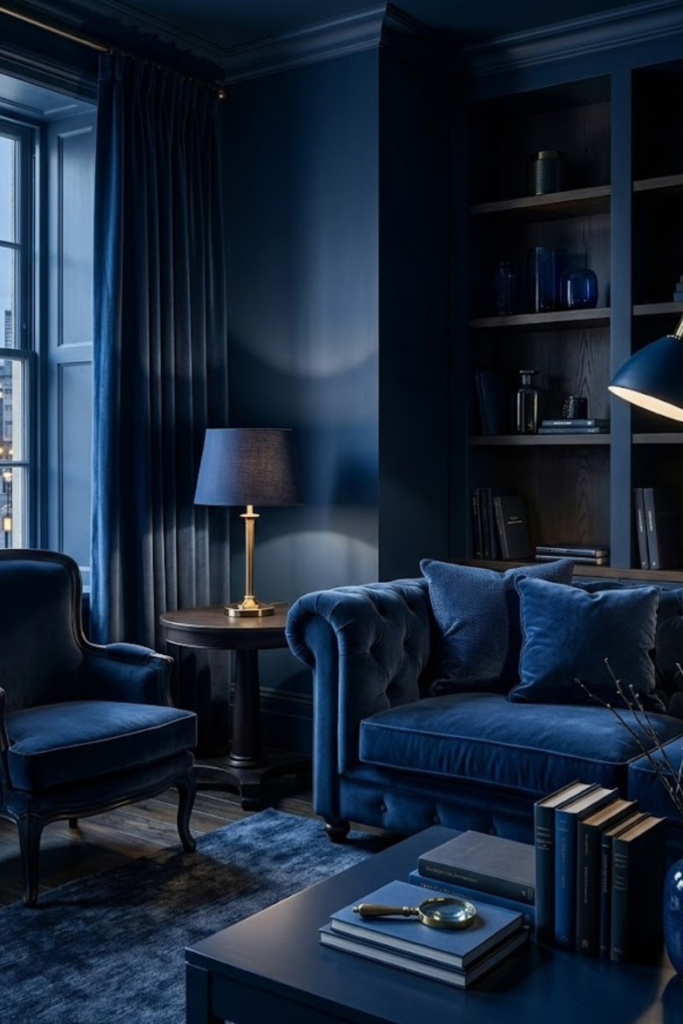
I used to think that painting a room one color would make it feel like a cardboard box. Boy, was I wrong! A few years ago, I decided to go all-in on a deep, moody navy for my den. I painted the walls, the trim, and even the bookshelves the exact same shade. It was a bit scary at first, but once I moved the furniture back in, the room felt like a warm hug. It’s one of the most sophisticated “hacks” I’ve found for making a regular living room look like it belongs in a magazine.
The trick to making a monochrome room work is all in the textures. If everything is the same color and the same flat material, it will look boring. I mixed a velvet sofa with a chunky knit rug and some matte metal lamps. Even though they were all shades of blue, the way the light hit the different fabrics made the room feel deep and interesting. It creates a backdrop that lets your life—and your guests—be the main focus.
You don’t have to go dark, either. A soft “all-beige” or “all-grey” room can feel incredibly airy and expensive. Just make sure you swap out some of those shiny surfaces for something a bit more raw. I found that adding a few wooden picture frames or a brass tray really helps break things up so it doesn’t feel too “perfect.”
3. Functional Minimalism: Clarity Through Purpose
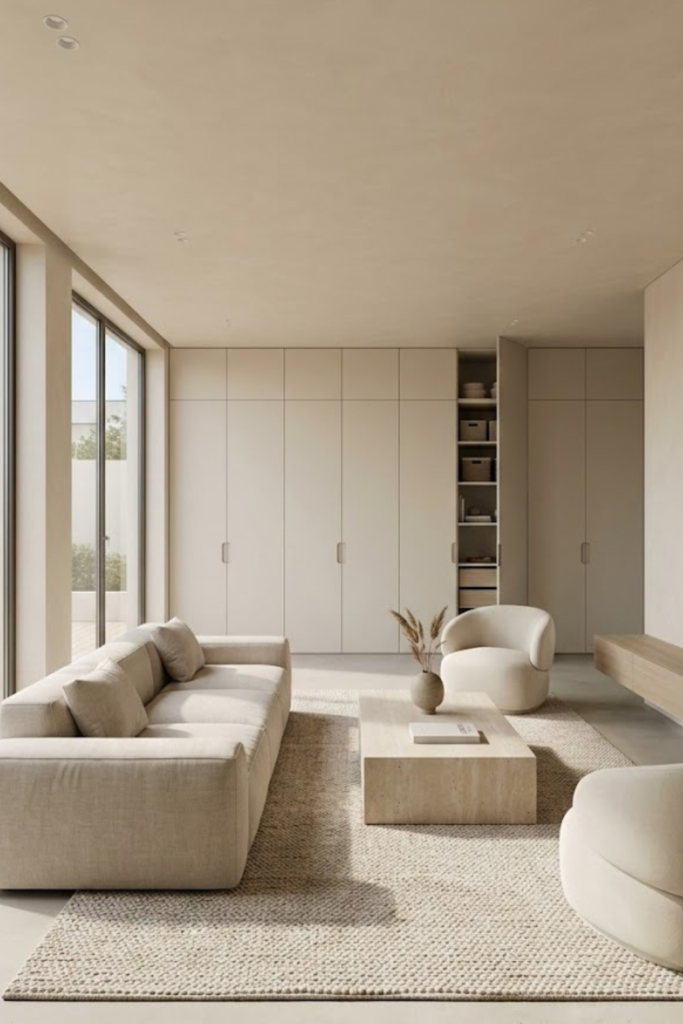
I used to be a total “clutter magnet.” My coffee table was buried under magazines I never read, and my shelves were full of knick-knacks that just collected dust. It honestly made my brain feel crowded. When I decided to try functional minimalism, I realized it isn’t about living in a white box with one chair. It’s about making sure every single thing in the room actually earns its keep.
The first thing I did was look for furniture that does double duty. I replaced my old bulky ottoman with one that opens up to hide all the extra blankets. It’s amazing how much bigger a room feels when the floor is clear! I also went for a sleek, low-profile sofa. Because it’s lower to the ground, it doesn’t block the view across the room, which makes the whole space feel airy and light.
Instead of twenty cheap decorations, I picked three “hero” pieces that I really love—a high-quality lamp, a beautiful handmade bowl, and one large piece of art. It’s much easier to keep the place clean, and I noticed that I actually feel more relaxed when I walk into the room. It’s not about having less; it’s about having the right things.
4. Vintage Maximalism: Curating a Story-Rich Space
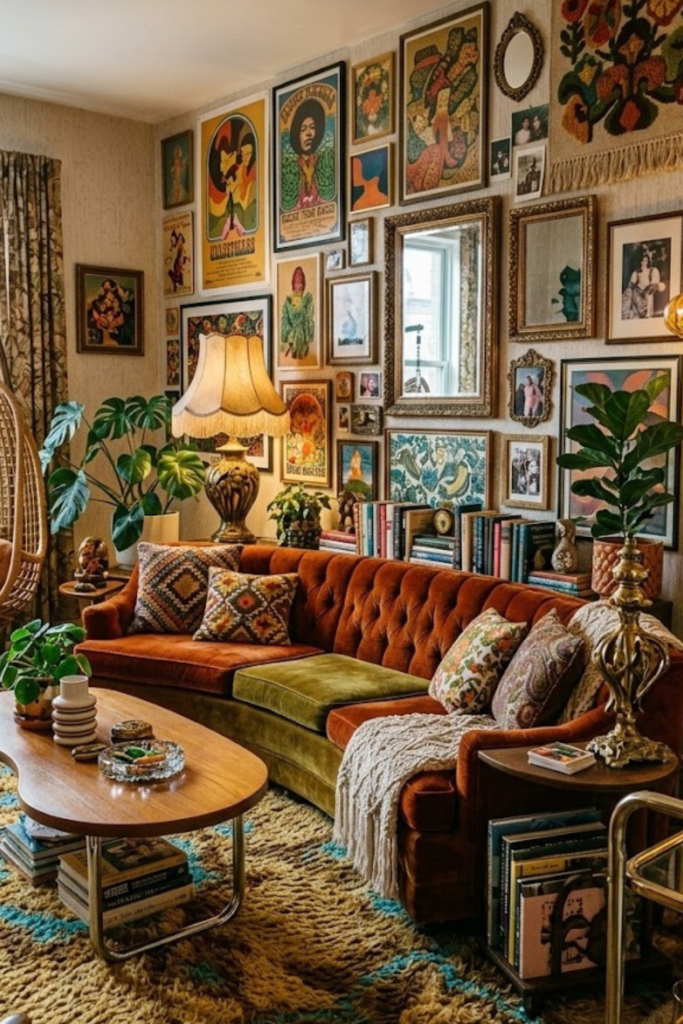
I used to think that “maximalism” just meant having a messy house, but I’ve learned it’s actually about surrounded yourself with things that tell a story. Last year, I found this incredible velvet armchair at a local thrift shop that looked like it walked straight out of 1974. Instead of trying to make it look “modern,” I leaned into the vibe. I added some brass floor lamps and a gallery wall with old sketches and family photos in mismatched frames.
The key to making this work without it feeling like a junk shop is to pick a loose color theme. For me, it was warm golds and deep greens. Even though the patterns on my pillows don’t match the rug, the colors talk to each other. It makes the living room feel lived-in and cozy, like a place where you can actually put your feet up and have a long conversation.
I love using old trunks as side tables or stacking vintage suitcases to hold extra magazines. It adds character that you just can’t buy at a big-box store. Plus, it’s a lot more sustainable to reuse things that already have a bit of history. Every time someone walks into my living room now, they ask about a specific item, and I usually have a fun story to tell about where I found it.
5. The “Soft Loft” Aesthetic: Industrial but Warm
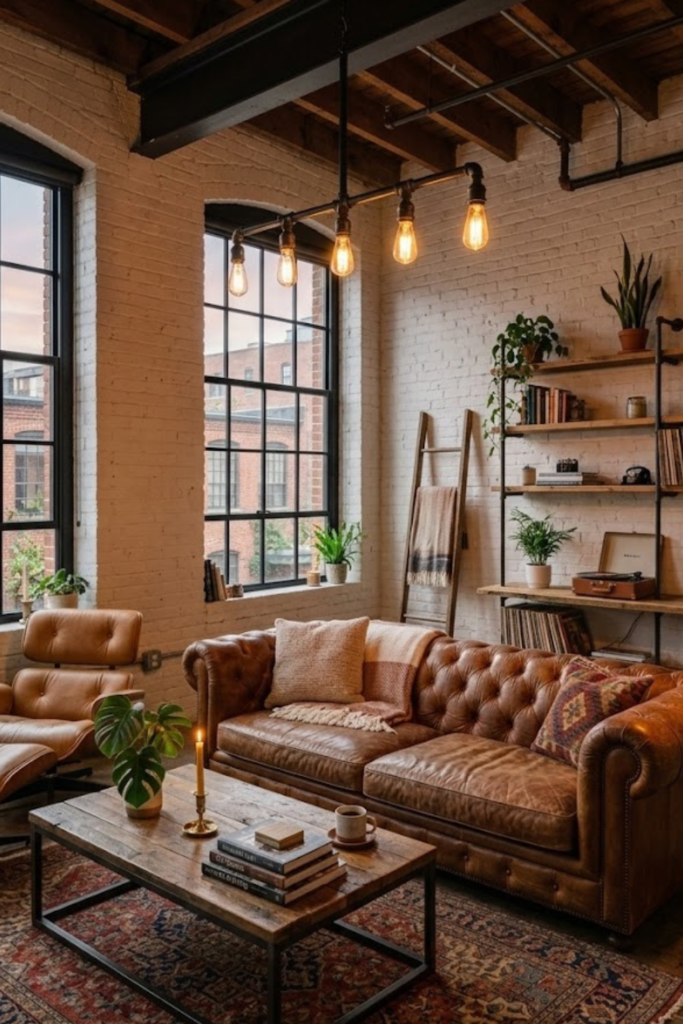
I’ve always loved the look of those big city lofts with the exposed brick and high ceilings, but for a long time, I thought they felt a bit too cold—almost like living in a factory. When I decided to try a “soft loft” transformation, I found that the secret is balancing those “hard” materials with things that feel cozy. I kept my dark metal bookshelf, but I draped a thick wool throw over the side of the sofa to soften the edges.
If you don’t actually live in a loft, you can totally fake it. I used some brick-style wallpaper on just one wall and painted it a soft, creamy white. It gives you that cool texture without making the room feel dark or cave-like. I also swapped my old shiny floor lamp for a matte black one with a warm Edison bulb. That soft, amber glow makes the metal look much more inviting.
To keep it from feeling too “stiff,” I brought in a big cognac leather sofa. Leather is great because it gets better as it ages and adds a natural warmth that balances out the “industrial” metal parts of the room. It’s the kind of space where you can drink a cup of coffee and feel like you’re in a trendy cafe, but you’re actually just in your pajamas.
6. Multi-Sensory Textures: Beyond the Visual
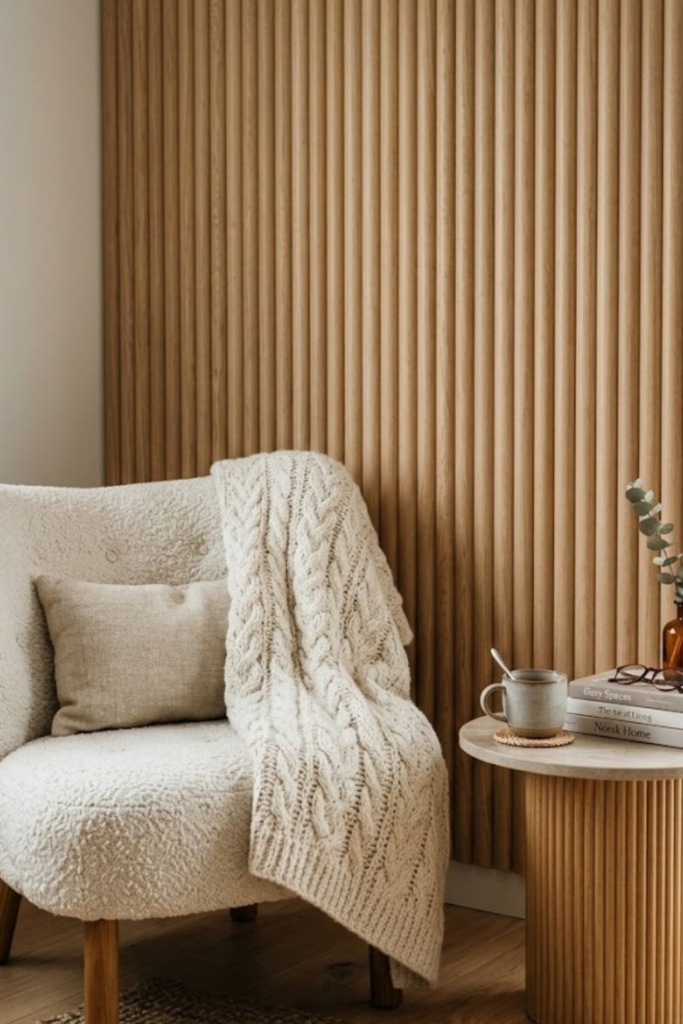
I used to pick out furniture based solely on how it looked in a photo. But after living with a “pretty” but scratchy sofa for a year, I learned my lesson. Now, when I think about a living room transformation, I think about how it feels when I run my hand across the back of a chair or walk barefoot across the rug. This design is all about mixing different “touches”—like the bumpy feel of a bouclé chair against the coolness of a marble side table.
In my own house, I started layering things. I put a super soft, shaggy rug on top of a flat jute one. It sounds a bit much, but it makes the floor feel so interesting and soft under your feet. I also added some fluted wood panels to one small section of the wall. Those little ridges catch the light beautifully, but they also give the wall a physical texture that makes the room feel much more high-end without being stuffy.
The best part about this style is that you can keep your colors very simple and let the fabrics do the talking. I stuck with creams and oatmeals, but because I have silk pillows, a wool throw, and a velvet ottoman, the room doesn’t look flat. It feels rich and cozy at the same time. It’s the kind of space where you just want to curl up and stay for hours.
7. Digital Detox Zones: Tech-Free Living Areas
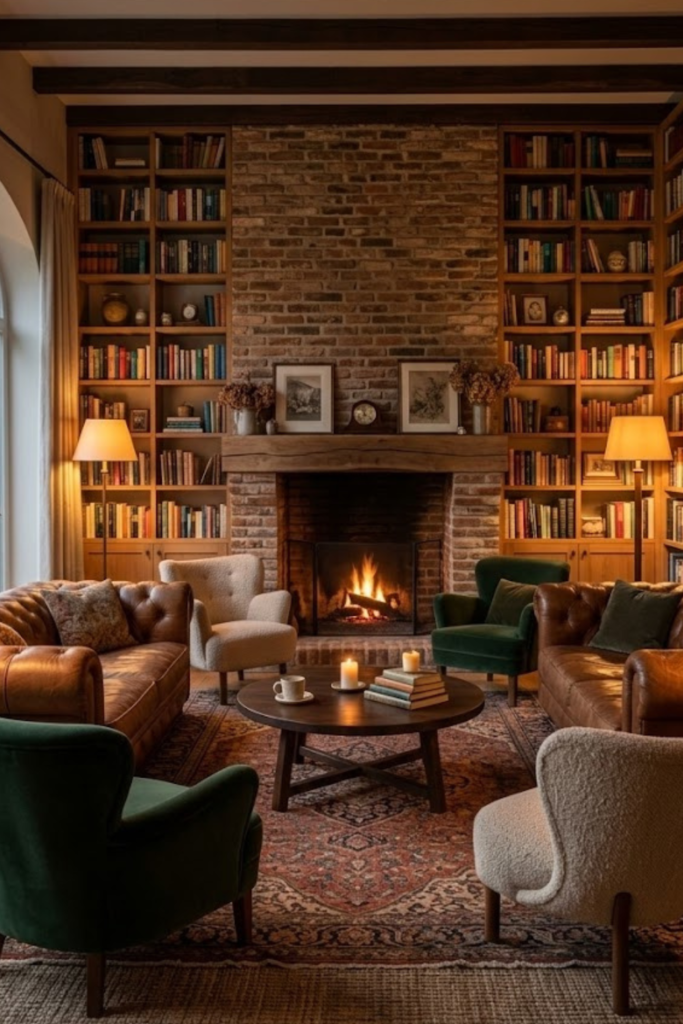
I finally had to admit it: my living room had turned into a giant charging station. Between the massive TV and everyone staring at their phones, we stopped actually talking to each other. When I decided to transform the space into a “digital detox” zone, I was worried it would feel boring. Instead, it became the most popular spot in the house. I took the TV off the wall and replaced it with a large, beautiful mirror that reflects the light from the window.
To make this work, I changed how the furniture was sitting. Instead of every chair pointing at a screen, I pulled them into a circle. I put a big, round wooden coffee table in the middle—perfect for board games or just setting down a mug of tea. I also added a dedicated “tech basket” near the door. Now, when friends come over, the phones go in the basket, and we actually look at each other while we talk.
I filled the corners with things that don’t need a plug. I built some simple floor-to-ceiling bookshelves and put a cozy leather armchair right next to them. I even brought back my old record player. There is something so calming about the crackle of vinyl that a digital playlist just can’t match. It’s a space that forces you to slow down, and in 2026, I think we all need that more than ever.
Conclusion
Changing your living room doesn’t have to be a giant, expensive project that takes months. Whether you choose to bring in some plants for a biophilic vibe or just rearrange your chairs to create a tech-free zone, the goal is to make your home work for you. I’ve found that when I take the time to focus on these 7 living room transformation designs, my daily mood really shifts for the better.
I hope these ideas gave you the spark you need to start your own refresh! It’s amazing what a little paint, some new textures, and a bit of planning can do. If you found these tips helpful, please pin your favorite design to Pinterest to help others find some inspiration for their own homes!