Did you know that the average person spends nearly 30% of their waking hours in their living room? That is a massive chunk of your life spent staring at the same four walls! I remember when my own living room felt like a gloomy cave—mismatched furniture and lighting that made everyone look like they were in a horror movie. It was depressing! But honestly, seeing a transformation happen is like magic. In this guide, we are diving deep into 7 living room designs before and after to show you how a few smart changes can totally flip the script on your home’s vibe. Whether you are dealing with a tiny apartment or a dated suburban den, these real-life makeovers from 2026 will give you the spark you need to start your own project!
1.The Mid-Century Modern Revival: From Drab to Fab
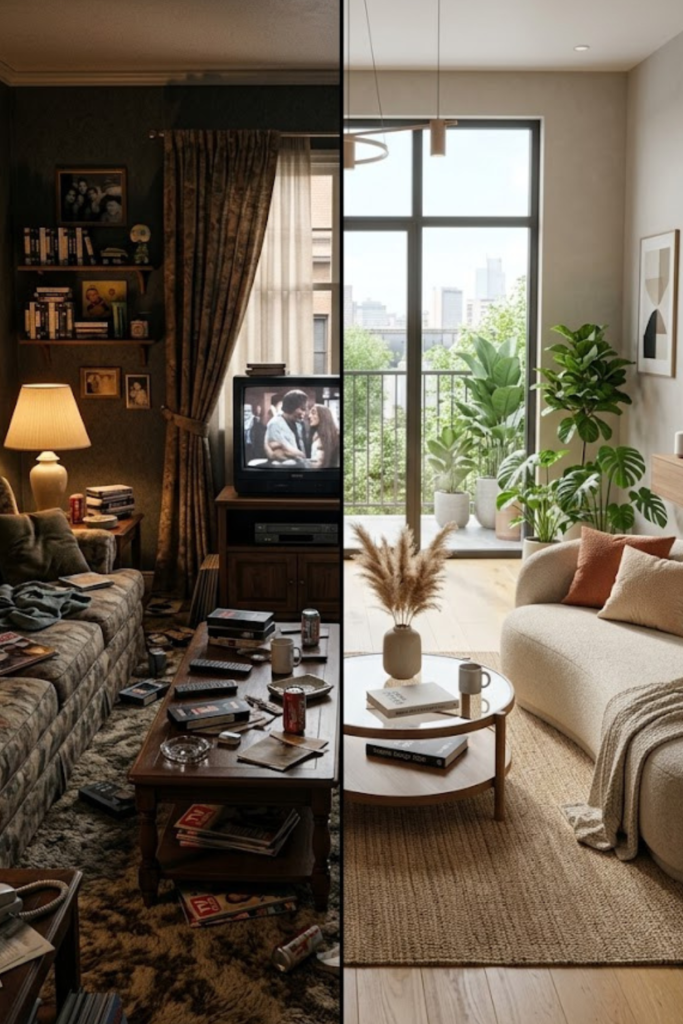
So, let’s talk about the first big change: The Mid-Century Modern revival. I remember my cousin’s house back in the day. It was a total time capsule, and not in a good way. It had that dark, fake wood paneling on every wall and a carpet that looked like it had seen way too many spilled sodas. It felt heavy and sad. I told her, “Linda, we gotta fix this!”
The first thing we did was paint. I know some people love old wood, but this stuff was just depressing. We used a bright, warm white. It changed everything! If you are doing this at home, don’t forget to sand the wood a little first so the paint actually sticks. I didn’t do that once on an old chair and the paint peeled off in two days. It was a total nightmare and a waste of a Saturday.
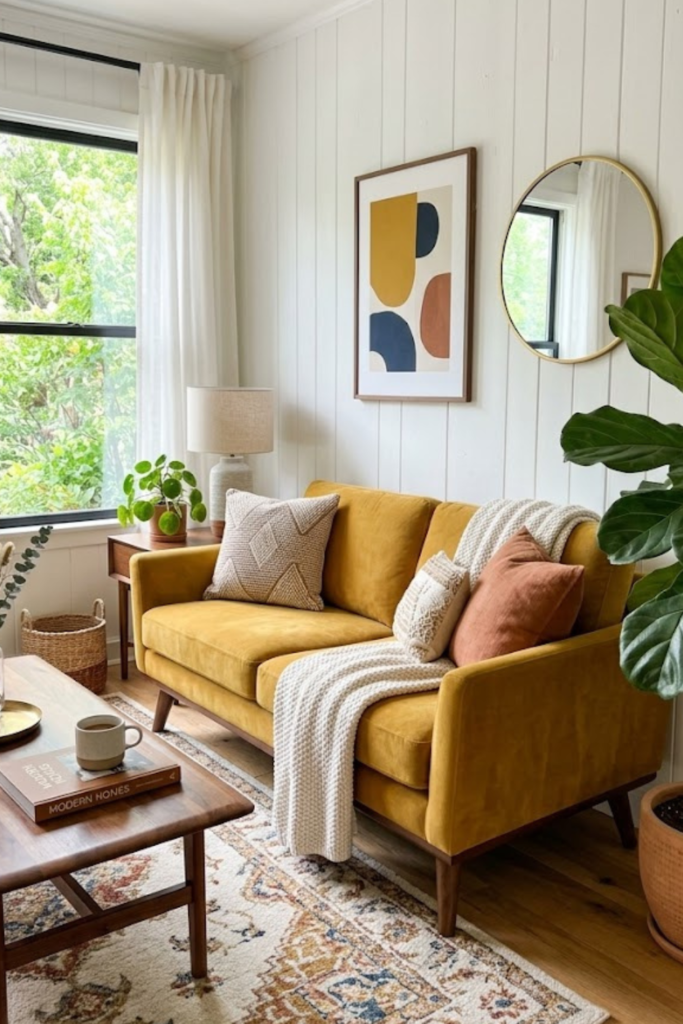
The “after” for this room worked because of the furniture. We got rid of her giant, puffy recliner. You know the ones—they look like a big leather potato and take up half the zip code. We replaced it with a sofa that has those skinny, tapered wooden legs. My secret tip? If you can see the floor under your furniture, the whole room feels way bigger. It is a simple trick but it works every time.
We also added a big round mirror on the main wall. It reflects the light from the window and makes the space feel double the size. Don’t feel like you have to spend a ton of money to get this look. We found a cool side table at a thrift shop and just cleaned it up with some wood oil. It doesn’t have to be perfect. In fact, having one or two old pieces makes the room feel more like a real home and less like a furniture store catalog. Plus, it is just better to reuse stuff when you can.
2.Maximalist Magic: Turning Clutter into Curated Art
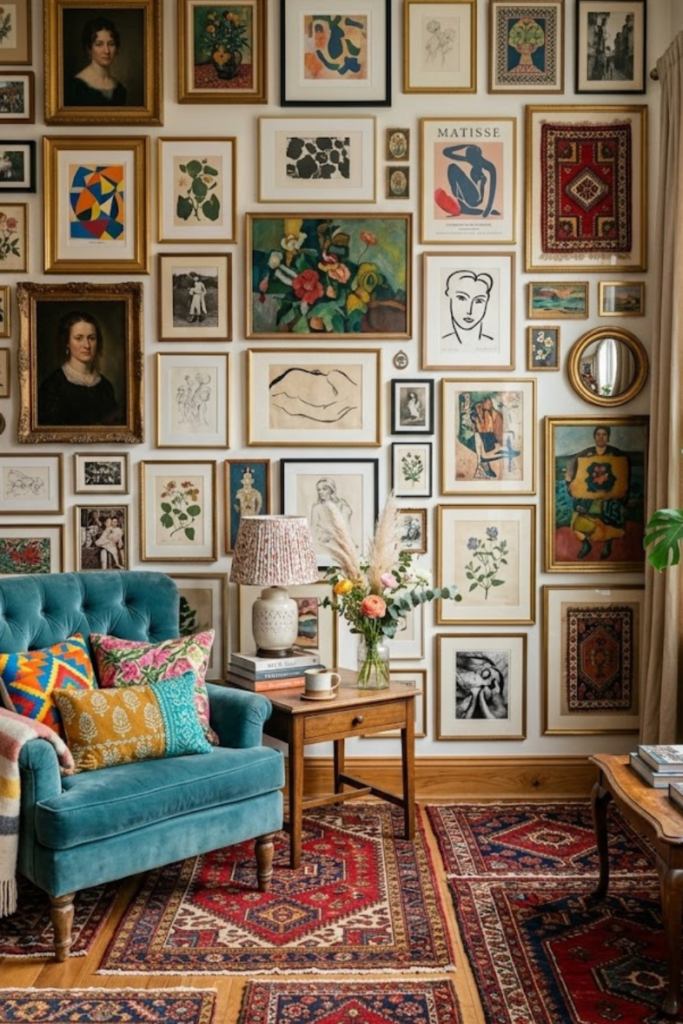
I used to think that “maximalism” was just a fancy word for being messy. I remember visiting my sister’s place a few years ago. She had stacks of books on the floor, three different rugs that didn’t match, and enough throw pillows to fill a small swimming pool. It didn’t look like a style choice; it looked like a yard sale exploded in her house! It was hard to even find a place to sit without moving a pile of magazines.
The “before” version of this room was stressful. But here is the secret I learned: maximalism is about being intentional. To fix her space, we didn’t throw everything away. Instead, we started grouping things together. We took all those random pictures from around the house and put them on one big “gallery wall.” Suddenly, all that “clutter” looked like a curated art collection.
One mistake I made early on was trying to have bold patterns everywhere—on the walls, the rug, and the couch. My eyes didn’t know where to rest, and I actually got a headache! In the “after” version, we kept the walls and furniture busy but used a very simple, neutral rug. This gave the room a solid foundation. As a teacher, I always tell my students that a good poster needs some empty space so people can actually read it. Your living room is the same way.
We also layered different fabrics to make it feel cozy. We mixed a soft velvet chair with a rougher, chunky knit blanket. It feels warm and full of life now. If you have a lot of stuff you love, don’t hide it in boxes! Just find a way to show it off that feels organized. It is all about showing your personality without letting it take over the whole walking path.
3.The Scandi-Industrial Merge: Softening Hard Edges
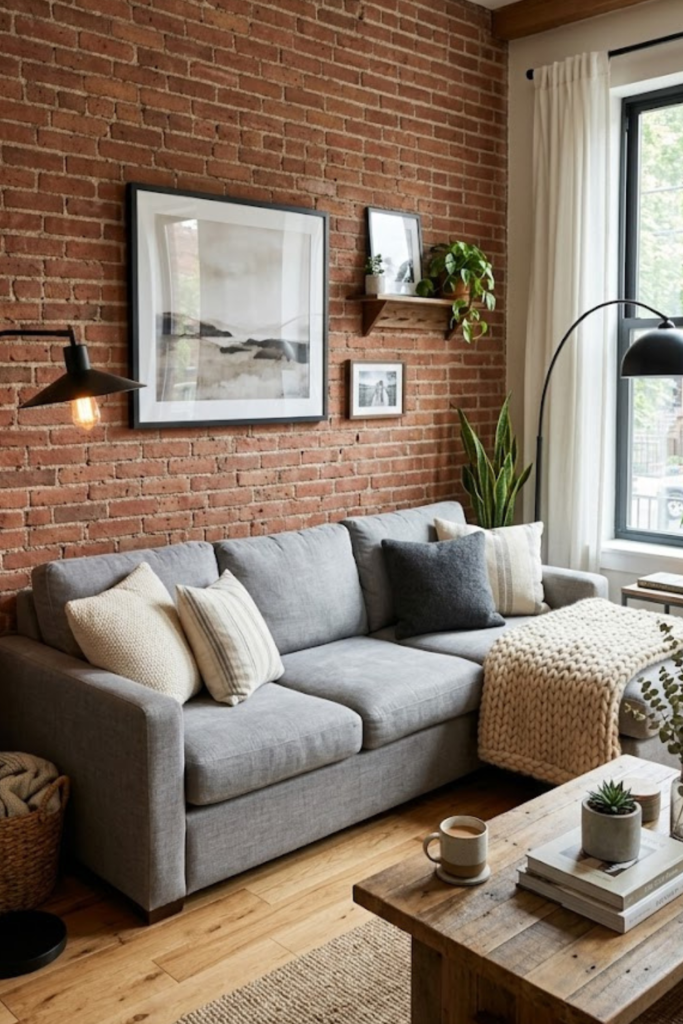
I once helped a friend move into this amazing warehouse apartment. It had these cool exposed brick walls and huge black metal windows. But man, it was cold! Not just the temperature, but the vibe. It felt like living in a giant refrigerator. She had all this metal furniture and it just echoed every time she dropped her keys. It was definitely not the “homey” feel she wanted.
To fix it, we did what I call the “Scandi-Industrial Merge.” Industrial style is great, but you need that Scandinavian “hygge”—which is just a fancy word for being cozy—to make it livable. We added a huge, fluffy sheepskin rug right in the middle of the floor. That changed the sound in the room immediately. It stopped that annoying echo and made you actually want to take your shoes off.
One big mistake people make is thinking they have to stick to one material. My friend thought she had to use all metal because she had a brick wall. Nope! We brought in a light oak coffee table and some wooden shelves. Wood is like a warm hug for a room. It softens those hard edges from the bricks and the metal pipes.
If your room feels a bit too much like a factory and not enough like a home, try adding plants too. We put a big leafy green plant in a concrete pot. It kept that industrial look but added some life. Don’t worry about making it look like a magazine. Just focus on making it a place where you actually want to sit down and read a book without feeling like you are in a museum. It really is about finding that balance between the “hard” and the “soft” parts of your decor.
4.Small Space Solutions: Making 200 Square Feet Feel Huge
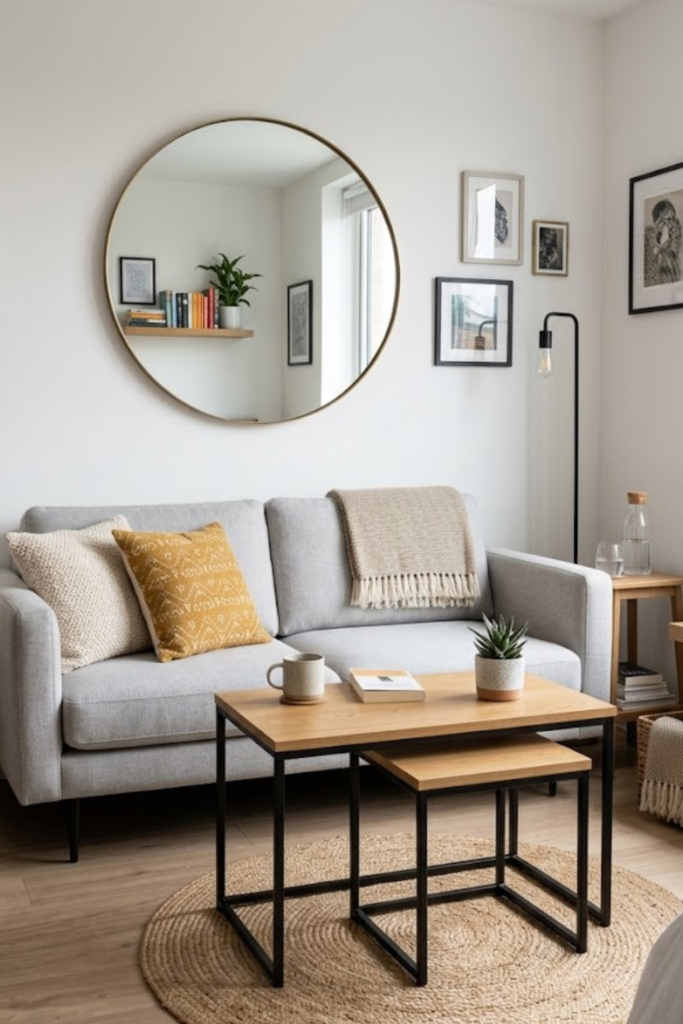
I’ll never forget my first “studio” apartment. Calling it a studio was being generous—it was basically a hallway with a sink! I tried to cram my old bedroom set from my parents’ house in there, and let me tell you, it was a disaster. I had to turn sideways just to get to the fridge. It felt like the walls were closing in on me every single day. I actually felt claustrophobic just trying to sleep.
The “before” of that place was just sad. The biggest mistake I made was using bulky furniture. I had this huge, overstuffed armchair that I loved, but it took up almost a quarter of the floor. In the “after,” we swapped everything out for “low-profile” pieces. That just means furniture that sits lower to the ground. When your furniture is shorter, you see more of the wall, and your brain thinks the room is much taller and bigger than it really is.
Another trick that saved my sanity was using a massive mirror. I found one at a garage sale—it was heavy and a bit scratched, but I leaned it against the wall opposite the window. It felt like I’d added a whole second room! It is the oldest trick in the book, but people still forget to do it.
The best thing I learned, though, was the “floating furniture” rule. Instead of buying things that sit flat on the carpet, get tables and sofas with legs. If you can see the floor underneath, the room doesn’t feel “full.” It’s like magic for your eyes. I felt so much better once I could actually walk around without tripping over a table leg. If you are stuck in a tiny spot, do not give up. You just have to be smarter than the floor plan!
5.Biophilic Transformation: Bringing the Outdoors In
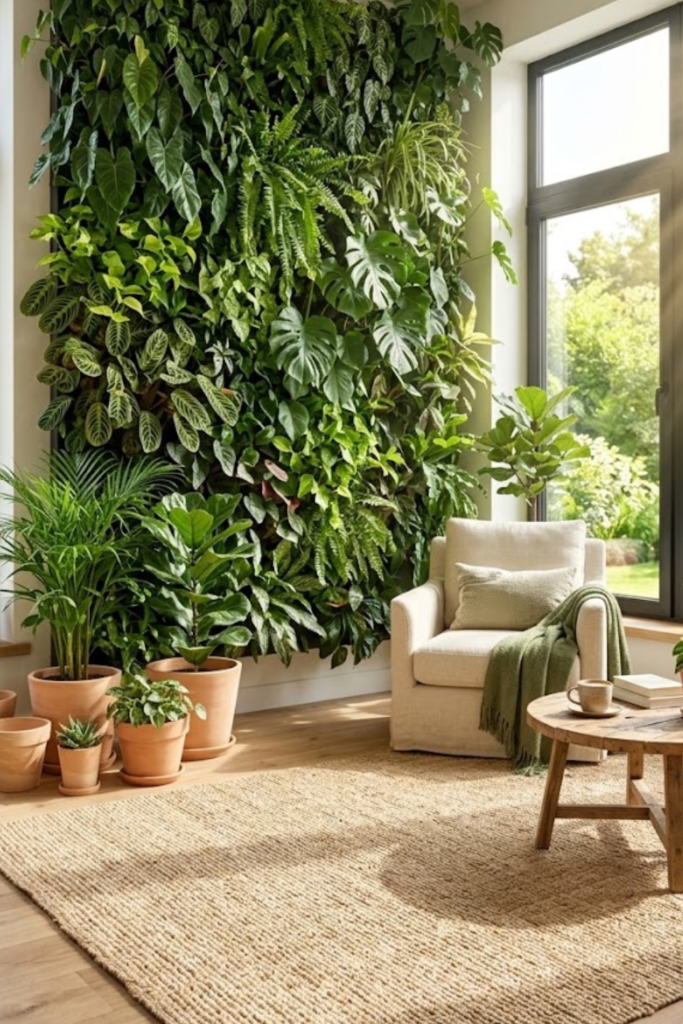
I once had this tiny apartment that had almost no windows. It felt like living in a shoe box or a dark cave. It was so grey and boring that I actually felt tired just walking into it! I think a lot of people have rooms like that—maybe a basement or a room that faces a brick wall. It’s hard to feel happy when you don’t see any green, you know? It makes you feel trapped.
The “before” of this room was just layers of beige and grey. To fix it, we did a “biophilic” makeover. That’s just a fancy way of saying we brought nature inside. The biggest thing we did was add a plant wall. Now, don’t get scared! You don’t need a degree in science to do this. We just used some simple shelves and filled them with “Snake Plants” and “Pothos.” I love those because they are almost impossible to kill—and believe me, I’ve killed a lot of plants in my time! I once forgot to water a cactus for six months. It didn’t make it.
We also changed the colors. We got rid of the grey and used a deep forest green on one wall and some terracotta pots for the plants. It felt like walking into a park instead of a closet. Another trick is to use sheer curtains. Even if you don’t have much light, heavy curtains make it worse. Sheer ones let every little bit of sun in but still give you some privacy. It makes the light look soft instead of harsh.
One thing I learned the hard way: don’t buy those fake plastic plants that look like shiny toys. They just collect dust and look cheap. If you can’t do real plants, use natural materials like wood or stone. It helps your brain relax. My basement friend actually started spending more time at home once we added the green. It’s amazing how much a little bit of nature can change your mood. Just make sure you get plants that like the amount of light you actually have!
6.Coastal Grandmother Meets Modern Chic
I once stayed at this rental house by the ocean that was… well, it was a bit much. Every single lamp had a seashell glued to it, and there were literal fishing nets hanging on the walls! It felt like I was sleeping in a gift shop. My kids kept asking if we were allowed to touch the “decor.” It wasn’t relaxing at all; it was just cluttered and felt kind of cheap. I learned that day that you can have too much of a good thing.
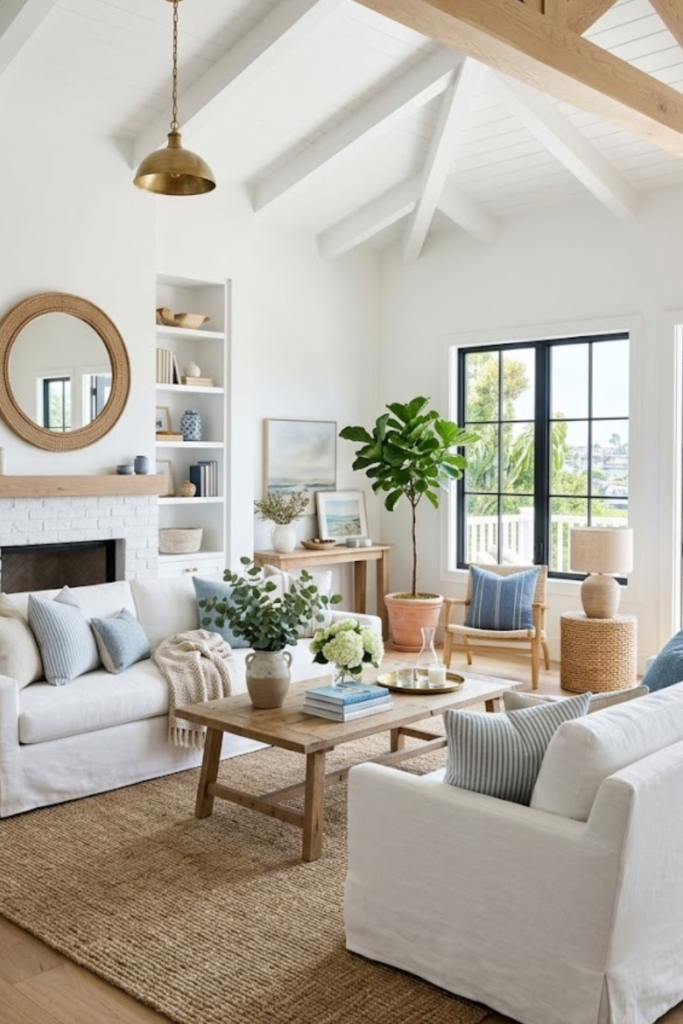
The “before” of that house was definitely stuck in the 90s. But the “Coastal Grandmother” look is so much better because it is about the feeling of the beach, not just the stuff you find there. In the “after” version of this room, we stripped away all those plastic anchors and wooden seagulls. Instead, we went for high-quality linen fabrics. We used slipcovered sofas—those are the best because you can just pull the covers off and throw them in the wash when they get dirty. I am a teacher, and I tell you, being able to wash your furniture is a total life-saver!
We also used colors that remind you of the sea but aren’t too bright. We stuck with soft blues and sandy beiges. One big tip: use textures like jute or rattan. We put down a big jute rug and it immediately made the room feel grounded and real. It is much better than a carpet that gets sand or dirt stuck in it forever.
I used to think “coastal” meant you had to have a sign that says “Beach” on the wall. I was wrong! It really is about the light and the comfort. If you want this look, stay away from the kitschy stuff you find in tourist shops. Focus on the materials. It makes the space feel expensive without actually costing a fortune. I felt so much more at peace once we took down those nets. My house finally felt like a home, not a theme park.
7.Moody Sophistication: Embracing Darker Tones
I’ll be honest with you, I was terrified of dark paint for a long time. I used to think that if I painted a room a dark color, it would feel like a tiny closet or a basement. My classroom at school is all white, and for years, my living room was the exact same way. It felt clean, I guess, but it also felt like a hospital waiting room. It had zero personality. It was just a big, bright box that felt empty even when I had plenty of furniture in it. I was bored every time I sat down to watch TV.
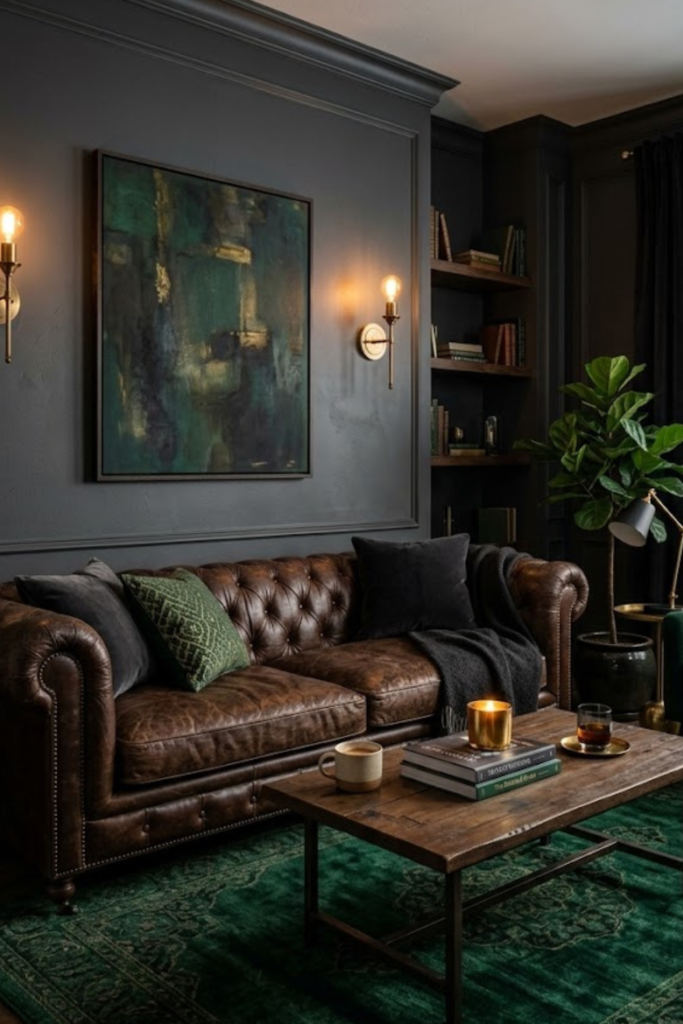
The “before” version of this space was just plain. To fix it for the “after,” we finally got brave and picked out a deep charcoal grey for the walls. I held my breath when the first coat went on! But you know what? It didn’t make the room look smaller at all. It actually made the walls look like they were further away, almost like they were disappearing. It felt fancy and grown-up, like a high-end hotel. My biggest tip if you try this is to use brass or gold accents. We swapped out the old silver hardware for brass, and the room just started to glow against that dark paint.
The real trick to making dark colors work is the lighting. If you only have one big light in the middle of the ceiling, a dark room can look a bit spooky. In the “after,” we added floor lamps in the corners and some small wall lights. This creates “pockets” of light that make the room feel cozy and warm instead of gloomy. I love sitting in there now with a cup of tea; it feels like the room is giving me a big hug. Don’t let people tell you that every room has to be white to be pretty. Sometimes, going dark is exactly what you need to make a space feel special and “moody” in the best way possible.
Conclusion
Transforming your home isn’t just about spending a lot of money on new things; it’s about making your space work for your life. Whether you are painting over old wood paneling or adding a few more plants to a dark corner, these 7 living room designs before and after show that any room can be changed with a little bit of effort. I’ve made plenty of mistakes along the way—like that time I ruined a chair with bad paint—but that’s how you learn!
I really hope these stories and tips help you feel more confident about starting your own project. Your home should be a place that makes you happy the second you walk through the door. If you liked these ideas, please save this post to your Pinterest boards! It helps other people find these tips, and it gives you a place to look back when you’re ready to pick out your own paint colors or furniture. Happy decorating!