Did you know that according to recent home interior surveys, over 75% of homeowners feel more “at peace” in a room they’ve personally customized? It’s true! There is something so satisfying about looking at a corner of your room and thinking, “Yeah, I made that”
. I remember when I first tried to build my own floating shelves—it was a total disaster at first, but now they’re the centerpiece of my office! In 2026, we’re moving away from mass-produced “fast furniture” and leaning into personality and sustainability. Let’s dive into some easy, high-impact DIY projects that will make your space feel brand new without breaking the bank.
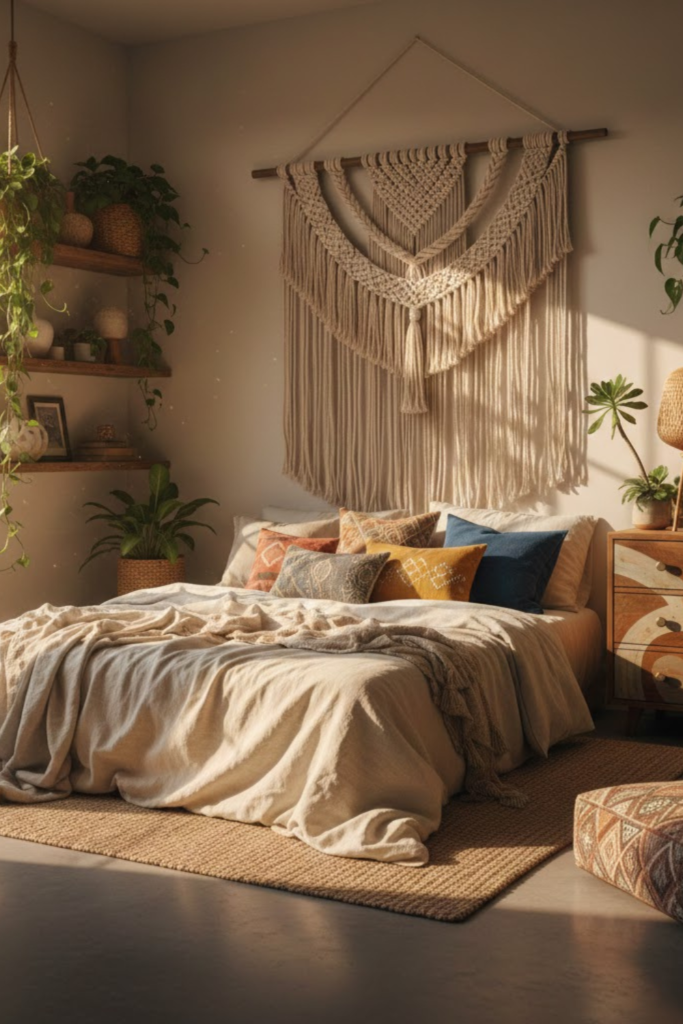
1.The Upcycled Accent Wall: Using Reclaimed Wood and Paint
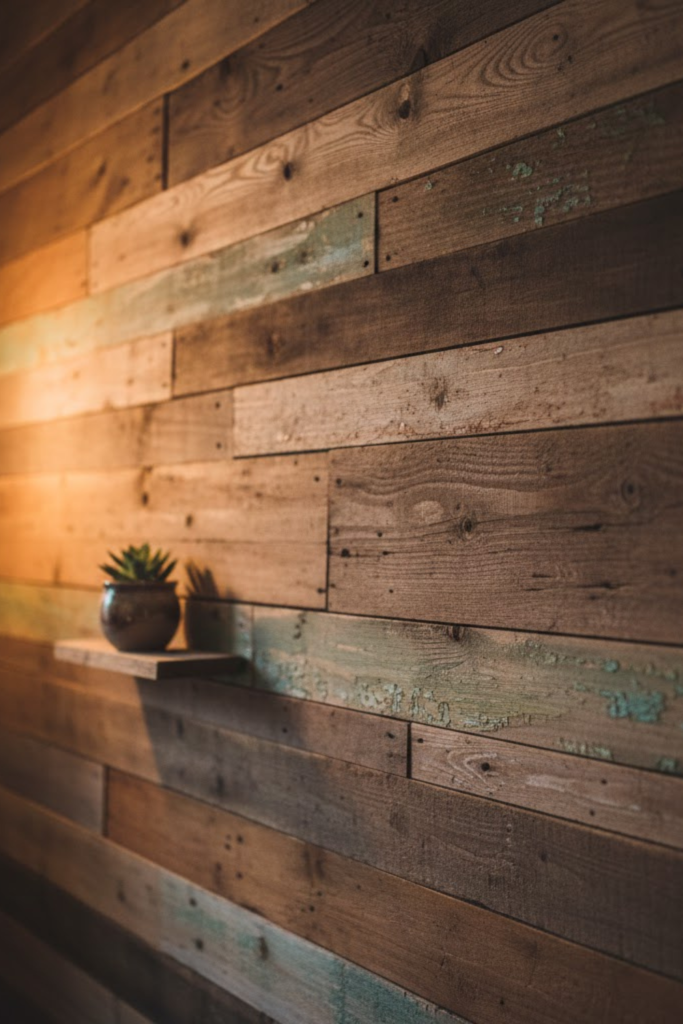
I have seen so many trends come and go, but in 2026, everyone is talking about being kind to the planet. That is why I love reclaimed wood. It has a story to tell. I remember when I tried to do my first accent wall a few years back. I spent way too much money on new wood that looked “fake.” Now, I know better. Using old wood from pallets or old barns is the way to go. It gives your room a soul that you just can’t buy at a big box store.
If you want to try this, you have to be smart about where you get your wood. I usually check Facebook Marketplace or look for old pallets behind local shops. Just make sure the wood is safe and doesn’t have any weird stains or bugs.
How to Build a Reclaimed Wood Wall on a Budget
To get that perfect 2026 look, follow these steps:
- Clean and Prep: Use a stiff brush to get the dirt off. I usually wash the boards with a bit of soapy water, but don’t soak them too much or they will warp.
- Sanding is Key: This part is boring, I know! But you don’t want splinters. Start with a rough 80-grit sandpaper and finish with 120-grit so it feels smooth to the touch.
- The Paint Wash: Instead of thick paint, try a “white wash.” Mix half white paint and half water. Brush it on and wipe it off with a rag. It lets the wood grain peek through.
- Find Your Studs: Use a stud finder to mark where the wood beams are behind your drywall. You want to nail your boards into these so the wall stays put.
- Install: Start at the bottom and work your way up. I use a brad nailer because it is fast and the holes are tiny.
One thing I learned the hard way—make sure your first row is perfectly level. If that first board is even a little bit crooked, the whole wall will look slanted by the time you get to the ceiling. It’s a bit of a workout, but seeing that texture on the wall makes the whole room feel cozy. Plus, it is way better for the environment than buying new stuff. Anyways, don’t worry if the boards aren’t all the same size. Those little gaps and wonky edges are what make it look real and not like a cheap wallpaper.
2.Smart Lighting Hacks: Integrating LEDs into Vintage Fixtures

I’ve always thought that lighting is the most important part of any room. You can have the prettiest couch in the world, but if the light is harsh and bright, the whole place just feels cold. I remember finding this amazing brass lamp at a yard sale last summer. It was dusty and the cord looked like it might start a fire, but I loved the shape of it. Instead of throwing it away, I decided to give it a 2026 upgrade.
You don’t need to be an electrician to make your old lamps look cool. If you are scared of wires like I am, here is a little secret: LED puck lights. You can buy these little battery-powered lights that come with a remote. I just stuck one inside my vintage lamp where the bulb used to go. Now, I can change the color and brightness from my phone or a remote!
How to Make Your Lighting Smarter
If you want to try this, here are a few things that worked for me:
- Go Wireless: Use those stick-on LED lights for old fixtures that don’t reach a wall plug. It saves you from having messy cords all over the floor.
- Smart Bulbs: If the wiring is still good, just screw in a smart bulb. You can set it to turn on automatically when you walk in the room. This is super helpful when you have your hands full of groceries or a sleepy kid.
- Warm vs. Cool: For a cozy feel, look for “warm white” bulbs. Cool white is okay for reading, but it can feel a bit like a hospital if you use too much of it.
Mixing old things with new tech is such a big thing for homes these days. It makes your house feel like it has history, but it still works with your modern life. Plus, it’s a lot cheaper than buying those high-end smart lamps from the store. Just make sure the batteries in your puck lights are rechargeable so you aren’t constantly buying new ones. It’s better for your wallet and the earth!
Don’t be afraid to try it out. Even if you just start with one lamp in a dark corner, you’ll see how much better the room feels right away.
3.Living Decor: DIY Vertical Herb Gardens for Small Spaces

I’ve always felt that a room without a plant is just a little bit sad. They breathe life into a space, literally! In 2026, everyone is talking about “Biophilic Design.” It’s a big name for a simple idea: bringing nature into your home. I remember when I first tried to grow herbs on my windowsill. My cat knocked over the basil, and there was dirt everywhere. That’s when I decided I needed to get my plants off the counter and onto the wall.
A vertical garden is perfect if you live in a small apartment or just don’t have much shelf space. It looks like living art, and it smells amazing too. Plus, there is nothing better than grabbing fresh mint for your tea right from your wall.
Building Your Wall-Mounted Garden
Here is how I did mine without spending a lot of money:
- Pick Your Containers: I used old mason jars, but you can use recycled plastic bottles if you want to be extra eco-friendly. Just make sure they are clean.
- The Backing Board: Get a sturdy piece of wood. You can use a leftover scrap from that accent wall project we talked about earlier!
- Hose Clamps: These are little metal rings you find in the plumbing aisle. Screw them onto the wood, and they will hold your jars tight.
- Drainage is a Big Deal: Since jars don’t have holes in the bottom, put an inch of small rocks or pebbles at the base before you add the dirt. This keeps the roots from sitting in water and rotting. I learned that lesson the hard way after losing a very nice rosemary plant.
For the best results, start with easy plants like mint, chives, or basil. They grow fast and don’t need a ton of sunlight to stay happy.
If you’re worried about the weight, make sure you screw the board into a wall stud. Dirt and water get heavy! This project makes your kitchen or living room feel so much fresher. It’s a simple way to stay connected to nature, even if you live right in the middle of a busy city. Just remember to check the soil with your finger every few days to see if they need a drink!
4.Statement Furniture: The Art of the “IKEA Flip”

I’ll never forget the first time I bought a basic white dresser from a big store. It was cheap and it did the job, but it had no personality. It looked like it belonged in a college dorm, not a grown-up house. That’s the beauty of an “IKEA Flip.” You take something plain and make it look like a custom piece of art that costs ten times more. In 2026, we are all about making things look high-end without the high-end price tag.
One of my favorite ways to change a piece of furniture is by adding cane webbing. It’s that mesh-looking stuff that looks like old chairs. I glued it to the front of the drawers on my dresser, and wow, it changed everything. It went from boring to boho in about an hour. It’s such a fun way to bring some texture into your room.
How to Flip Your Furniture Like a Pro
If you want to try this, don’t just start painting right away. Here is what I learned from my many mistakes:
- Sand It First: Most cheap furniture has a shiny laminate top. Paint will just slide right off if you don’t sand it. You don’t need to sand a lot, just enough to make it feel a bit rough.
- Use the Right Primer: Since laminate isn’t real wood, you need a special primer that “sticks” to everything. If you skip this, the paint will peel off in a week, and you’ll be really sad.
- Swap the Hardware: This is the easiest trick in the book. Throw away those plastic knobs and buy some heavy brass or matte black handles. It makes a huge difference in how expensive the piece looks.
- Try Textured Paint: There is this spray paint now that looks like real stone or terracotta. I used it on a small side table and people actually think it’s heavy stone.
I think the best part about flipping furniture is that if you mess up, you can just sand it down and try again. It’s a great way to practice your DIY skills. Plus, you end up with something that no one else has. Just take your time with the edges and don’t rush the drying part. I know it’s hard to wait, but it’s worth it to keep the paint from Smudging! Giving an old piece of furniture a new life is way more rewarding than just clicking “buy” on a website.
5.Textile Magic: Hand-Tufted Rugs and Oversized Wall Hangings
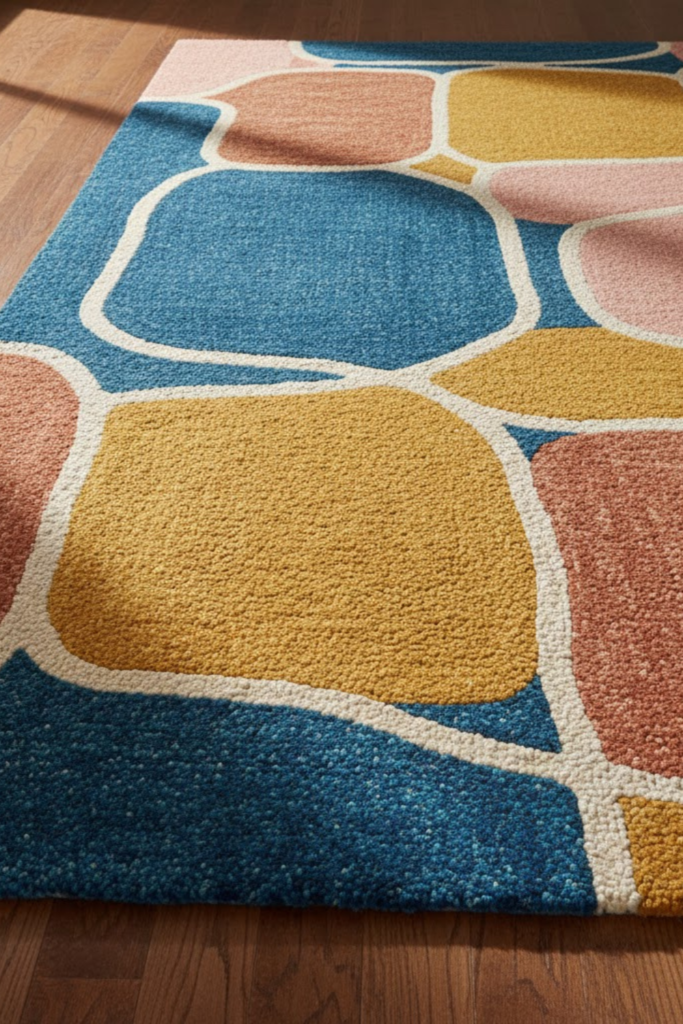
I really think a room isn’t finished until you add some fabric. Think about it—most of our furniture is made of hard wood, metal, or glass. You need something soft to balance it out. A few years ago, I had this tiny rug that looked like a postage stamp in my big living room. It made the whole place look awkward and cold. Now, in 2026, we are seeing a huge move back to “cozy maximalism,” where we use lots of textures to make a space feel like a hug.
One of the coolest things you can do right now is tufting. You use a little machine that looks like a toy gun to shoot yarn through a piece of cloth. I’ll be honest with you—the first time I tried it, I made a giant mess and tangled all my yarn. But once I got the rhythm down, I made a small rug for my bathroom that I absolutely love. If tufting feels a bit too much for you, a large wall hanging is a great way to cover a boring wall without spending a fortune on paint or framed art.
Adding Softness to Your Space
If you want to try working with textiles, here are my best tips for getting it right:
- Go Big with Your Rug: A common mistake is buying a rug that is too small. Make sure at least the front legs of your furniture sit on the rug. It ties the whole room together.
- Choose Natural Fibers: For 2026, look for wool or cotton. They feel better on your feet and they don’t have that “plastic” smell that cheap rugs sometimes have.
- The No-Sew Wall Hanging: You can make a beautiful piece of art by just hanging a pretty blanket or a piece of textured fabric from a wooden dowel. I did this in my bedroom and it actually helps keep the room quieter because the fabric soaks up the sound.
- Play with Colors: Don’t feel like everything has to match perfectly. I like to pick one main color and then find yarn or fabric in different shades of that same color.
The best part about using fabric is that you can change it whenever you want. If you get tired of a color, you can just swap out the wall hanging or move the rug to a different room. It’s a low-stress way to experiment with your style. Just make sure you have a good pair of fabric scissors—using regular paper scissors will just make you frustrated and leave you with fuzzy, jagged edges. Trust me on that one! Adding these soft touches makes such a big difference in how your home feels at the end of a long day.
6.Floating Illusions: DIY Hidden-Bracket Shelving

I love a good magic trick, and that is exactly what floating shelves look like to me. They just sit there on the wall with no brackets or ugly metal pieces holding them up. In 2026, we are seeing a lot of “clean” designs where people want their rooms to look simple and tidy. I used to have these big, clunky bookshelves that took up so much floor space in my small office. It felt like the room was closing in on me. When I finally switched to floating shelves, it was like the room could finally breathe.
Getting them to stay up without falling can be a bit scary if you haven’t done it before. I remember my first try—I didn’t use a level, and my favorite ceramic vase slid right off the end and smashed into a million pieces. I cried a little bit, I won’t lie! But I learned my lesson. You have to be careful, but the result is so worth it.
How to Get the Floating Look
If you want to do this yourself, here is the secret to making them sturdy so they don’t sag:
- Heavy Duty Bolts: You can’t just use tiny screws. You need long, thick bolts that go deep into the wall studs. This is what gives the shelf its strength.
- The “Slide” Method: You have to drill holes into the back of your thick piece of timber. The bolts stick out of the wall, and the shelf slides right onto them. It hides everything perfectly.
- Use a Spirit Level: This is the most important tool in your bag. If the shelf is even a tiny bit off, things will roll off. Check it three times before you finish!
- Style with Purpose: Since you don’t have a ton of surface area, don’t clutter the shelf. I like to put one trailing plant, a couple of books, and maybe a small candle.
These shelves are great for making a small room feel bigger because you can see more of the wall underneath them. It makes the whole space feel lighter and more modern. Just take your time with the drilling and make sure you are hitting the wooden studs behind the drywall. If you do that, that shelf isn’t going anywhere. It’s a great weekend project that makes a huge difference in how organized your home looks. Plus, it’s a fun way to show off your favorite things without making the room feel “stuffed” or messy.
7.Mirror, Mirror: Crafting Oversized Floor Mirrors on a Budget

I have a small hallway in my house that always felt like a dark cave. It was cramped and a bit depressing to walk through. I knew a big floor mirror would fix it, but when I looked online, the prices were crazy! I saw some for five hundred dollars or more. In 2026, we are all about making small spaces feel big, but we want to do it without spending a fortune.
I decided to make my own using a very cheap “door mirror” that I found at a local shop. It was thin and looked a bit flimsy on its own, but once I added a custom frame, it looked like something from a high-end furniture store. Tricking the eye with mirrors is the oldest trick in the book, and it works every single time.
Making Your Mirror Look Expensive
Here is how I did it, and how you can too:
- Start with a Cheap Base: You don’t need a fancy mirror. Just get a basic full-length one with a simple plastic or wood edge. We are going to hide that edge anyway.
- Choose Your Frame Style: For a modern look, I used some simple pine boards from the hardware store. If you want that “cloud” look that is so popular right now, you can actually use expanding foam! You spray it around the edge, let it dry, and then paint it a fun color.
- The “Window Pane” Look: This is my favorite. Use thin strips of wood (they call them lath) to create a grid over the glass. It makes the mirror look like a big industrial window. Just use a tiny bit of clear glue to hold them in place.
- Secure It Well: Big mirrors are heavy and can be dangerous. I always use a “French cleat” or a sturdy wall anchor. Even if you are leaning it against the wall, you need to make sure it can’t slide out. I don’t want anyone getting hurt!
Painting the frame is where you can really have fun. I went with a matte black, and it looks so sharp against my white walls. It bounces the light around and makes the whole hallway feel twice as big as it really is. It’s a bit of work to get the measurements right, but it is so much better than paying those high store prices. Plus, you can tell everyone you made it yourself when they ask where you got it!
Conclusion
Redoing your room doesn’t have to mean spending all your hard-earned money at once. Whether you are building a vertical herb garden for your kitchen or flipping an old dresser you found on the curb, the best part is knowing you made it happen. These 2026 DIY ideas are all about making your space feel like “home” and reflecting who you are. I’ve had plenty of projects go wrong—I’ve glued my fingers together and painted things the wrong color more times than I can count! But that is how we learn. I hope these seven ideas give you the spark you need to start your own project this weekend.
If you loved these DIY ideas, please share this guide on Pinterest! It really helps others find the inspiration they need to fix up their own homes on a budget.