I’ve always said that white walls are like a polite conversation—safe, but a little forgettable! But oh boy, 2026 is throwing that politeness out the window. Did you know that studies show certain nature-inspired hues can reduce stress by up to 20%? We are finally ditching those “millennial grays” and “sad beiges” for palettes that actually whisper stories of emotion and evolution. Whether you’re a maximalist at heart or just looking for a tiny pop of personality, these 7 colorful room ideas are going to make your space feel alive!

1.Dive into Tech Noir Blues for a Moody Living Room
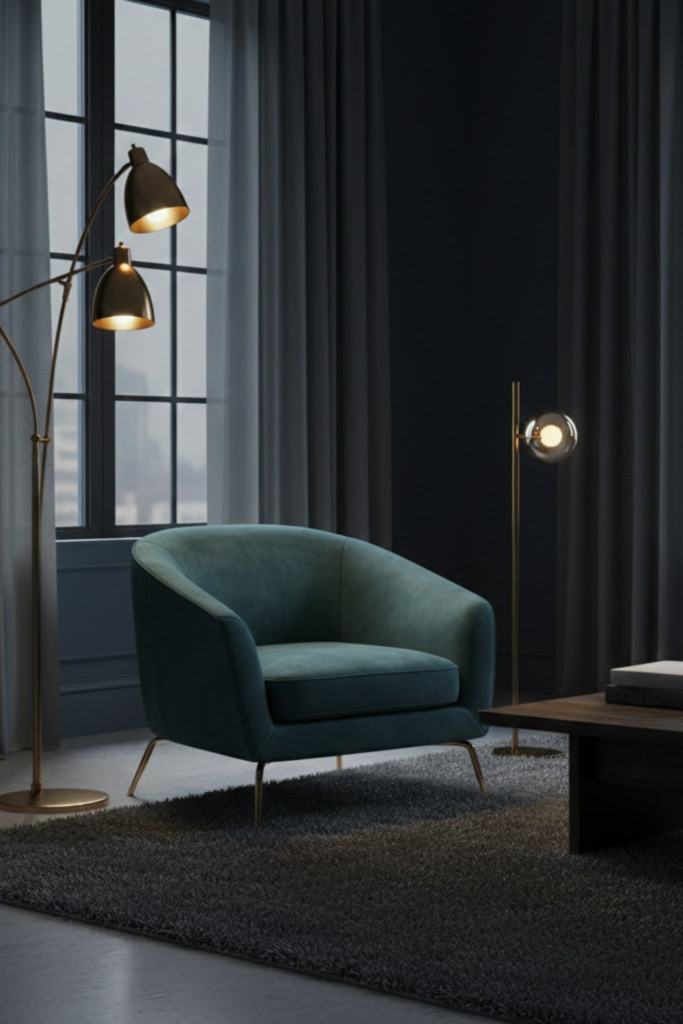
I’ve always felt that the living room is the soul of the house, but for a long time, everyone was obsessed with making them look like bright white galleries. Lately, I’ve been leaning into what I call “Tech Noir” blues. These aren’t your typical navy blues; they are deep, cinematic shades like “Free Groove” or “Slow Swing” that have a bit of mystery to them.
When you walk into a room painted in these dark, inky tones, your shoulders just drop. It’s like a giant hug for your brain. These colors are amazing because they make the walls feel like they are receding, which actually makes a small space feel bigger and more infinite.
Here is how I’d set this up:
- The Velvet Factor: Grab a teal or deep blue velvet sofa. The way the fabric catches the light against dark walls is just beautiful.
- Lighting is Key: Don’t use big overhead lights. Use floor lamps with warm bulbs and maybe some brass finishes. The gold against the blue looks like stars in the night sky.
- Contrast with Charcoal: I like to add charcoal or dark grey accents. It keeps the room from feeling too “colorful” and keeps it looking sophisticated, like a fancy boutique hotel.
Using these blues is a great way to create a space for a total mental reset after a long day of work. It’s moody, it’s quiet, and it’s very “2026.”
2.Warm Up Your Kitchen with Sun-Washed Yellows

I’ve spent plenty of mornings in kitchens that felt a bit cold and clinical—all white marble and stainless steel. It looks great in photos, but sometimes it lacks that “homey” soul. That is why I am so excited about the shift toward sun-washed yellows for 2026. We are seeing a move away from those sharp, bright primary yellows and moving into soft butter tones and creamy custard hues.
Yellow is a tricky color for many people, but when you get it right, it completely changes how a room feels. It is like bottled sunshine. This palette works wonders in kitchens because it softens all those hard edges and cold surfaces.
Here is how I would bring this look to life:
- Balance with Wood: These creamy yellows look incredible when paired with natural materials. Think oak shelving or a light wood island. It keeps the space looking grounded rather than like a cartoon.
- Fixing Dark Corners: If you have a kitchen that faces north or doesn’t get much natural light, yellow is your best friend. It helps soften those harsh, blueish shadows that can make a kitchen feel gloomy in the afternoon.
- Go for a Matte Finish: Avoid high-gloss yellow cabinets. A matte or eggshell finish makes the color look expensive and helps it blend into the room instead of shouting at you.
It’s a simple way to make the busiest room in the house feel a bit more cheerful. Every time I walk into a yellow kitchen, I can’t help but feel a little lighter!
3. Create a Sanctuary with Fresh Botanical Greens
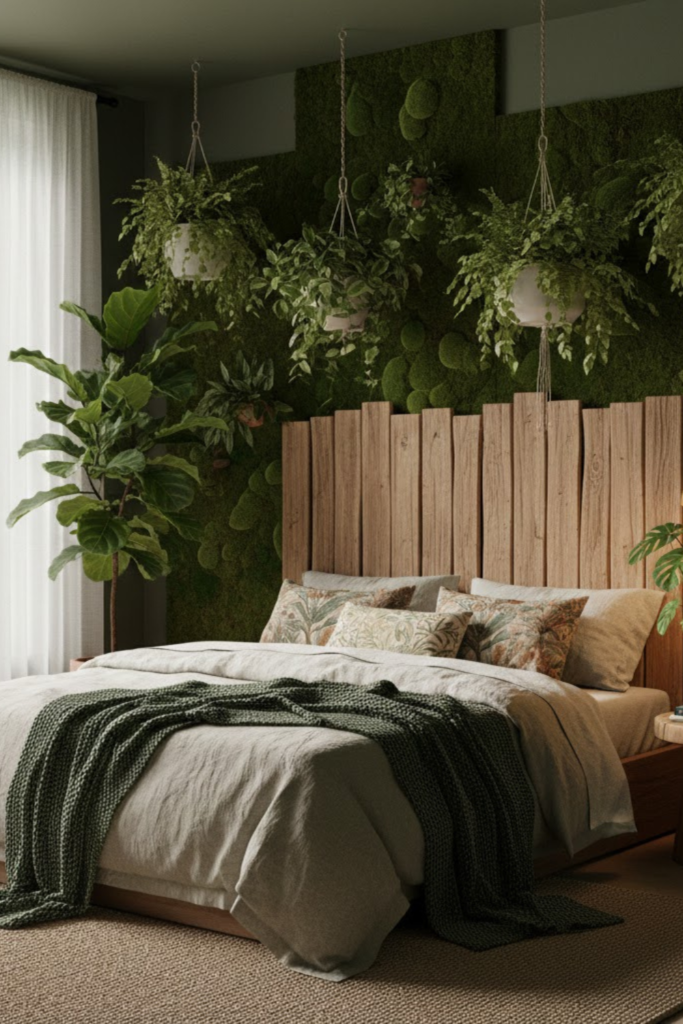
I’ve always believed that if you can’t get outside as much as you’d like, you should just bring the outside in. For 2026, we are moving past that very pale sage that was everywhere and moving into what I call “Botanical Greens.” We are talking about deeper, more soulful mid-tones like moss, artichoke, and laurel.
These greens are part of the biophilic design movement, which is just a fancy way of saying humans feel better when they are surrounded by colors found in nature. Using these shades in a bedroom or a home office can actually help lower your heart rate and keep you focused.
Here is how I like to layer this look:
- The Living Archive: Don’t just paint the walls and stop there. Layer different shades. Use a dark moss green on the walls and then put a lighter artichoke-colored armchair in the corner. It makes the room feel like a growing forest rather than a flat box.
- Natural Textures: Green loves texture. I always try to pair these botanical walls with linen curtains or a chunky wool rug. The rougher the texture, the more “natural” the color feels.
- Plants on Plants: It sounds obvious, but real plants against a green wall look incredible. The different tones of the leaves against the paint create a lot of depth that you just don’t get with white walls.
If you want a room that feels like a sanctuary where you can actually breathe, these greens are the way to go. It’s fresh, it’s alive, and it never feels like it’s trying too hard.
4. Embrace the Earthy Red Revival in the Dining Area
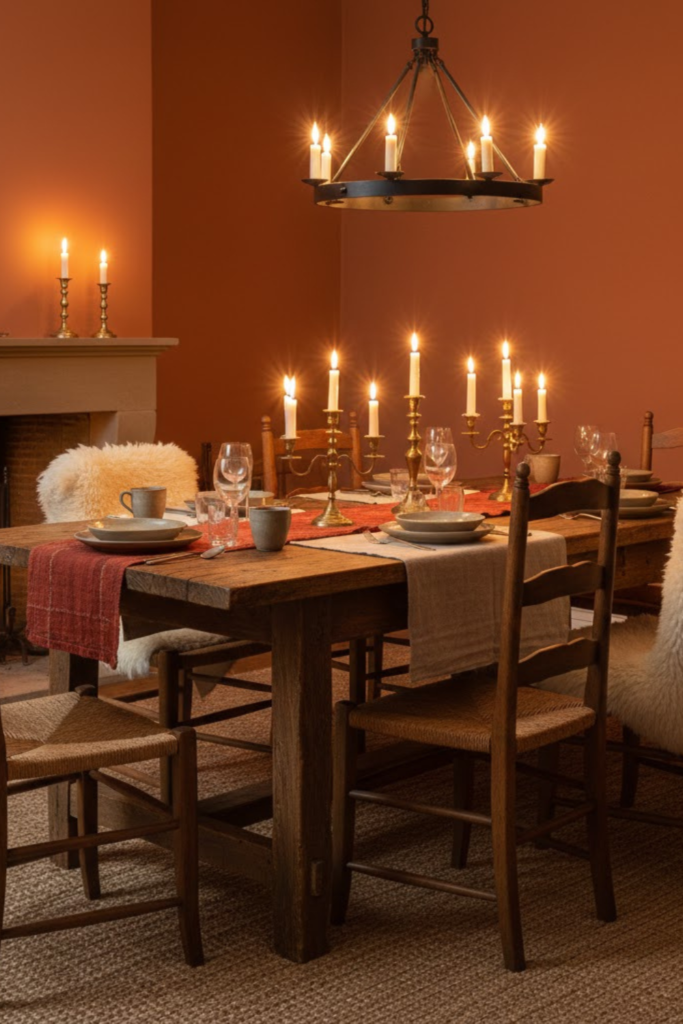
I used to be terrified of red. My grandmother had this bright, fire-engine red kitchen that made me feel like I was inside a tomato! But the reds we are seeing for 2026 are completely different. We are talking about “earthy” reds—shades of rust, paprika, and baked clay. These colors feel grounded and warm, rather than aggressive.
In a dining room, these tones are magic. There is actually some science behind it; warm colors like these can make a space feel more social and even make food look more appetizing. It creates what I call a “nest effect,” where the room feels like a cozy, private hideaway for long dinners and good conversation.
Here is how I’d make it work:
- The Accent Wall Trick: If you aren’t ready to paint the whole room, just do one big accent wall. In an open-plan house, this helps define the dining area and makes it feel like its own separate, cozy zone.
- Texture is Your Friend: Earthy reds look best when they don’t look too “flat.” I love using a lime wash or a matte paint to give the wall some movement. It makes the color look like it’s been there for a hundred years.
- Natural Wood Tones: Pair these spicy reds with dark wood furniture. A heavy oak or walnut table against a clay-colored wall is a classic look that feels very high-end but still totally comfortable.
It is a bold choice, but it’s one of those colors that makes people go “wow” when they walk in. It’s warm, it’s inviting, and it feels much more sophisticated than the bright reds of the past.
5. Soften Your Bedroom with Cloudy Pastels

I used to think pastels were just for nurseries or Easter eggs, but the “Cloudy Pastels” coming in 2026 are a whole different vibe. We are moving toward “milky” colors—shades like lavender haze, powder blue, and soft mint that feel more like a mental reset than a baby shower.
In a bedroom, these colors are perfect because they are quiet. They don’t demand your attention. When you have a million things on your mind, walking into a room that feels like a soft morning sky helps you shut it all off.
Here is how I make these pastels feel a bit more “grown-up”:
- The Lavender Haze: Instead of a bright purple, go for a lavender that has a lot of gray in it. It looks sophisticated and very modern.
- Warm Wood Finishes: To keep the room from feeling too cold or “icy,” I always add natural wood finishes. A light oak bed frame or some pine nightstands bring a lot of warmth to those cool pastel walls.
- Texture Layers: Since the color is soft, you need texture to make the room interesting. I love using white boucle pillows or a thick knit throw blanket. It makes the pastel color feel cozy and expensive.
If you’re looking for a way to make your bedroom feel like a literal escape from the world, these milky pastels are the way to do it. They are airy, fresh, and surprisingly elegant.
6. Add Drama with Restorative Darks in Small Spaces

I’ve found that most people are scared to use dark colors in small rooms because they think it will make the space feel like a closet. But here is a secret: in a tiny room, dark colors actually hide the corners, which can make the walls feel like they go on forever. For 2026, we are seeing “Restorative Darks” like deep plum, burgundy, and a rich espresso brown called “Silhouette.”
These “muddy” tones are all about introspection. They make a room feel expensive and private. I love using these in places where you don’t spend all day—like a powder room, a small library nook, or even a walk-in closet. It turns a boring utility space into a high-end experience.
Here is my advice for going dark:
- The Gloss Factor: In a tiny bathroom, try using a high-gloss finish with a deep plum or burgundy. The way the light bounces off the shiny, dark walls makes the room feel like a jewelry box.
- Monochrome Magic: Paint your baseboards and even your doors the same color as the walls. This stops your eyes from jumping around and makes the whole space feel seamless and calm.
- Metallic Pops: These dark, “chocolatey” browns and purples look incredible with silver or chrome hardware. It keeps the room looking sharp and modern rather than old-fashioned.
Don’t be afraid of the dark! In a small space, it’s the easiest way to add a huge amount of personality without needing a lot of furniture.
7. Experiment with Tonal Decorating and “Colour Capping”
I’ve seen a lot of people stop painting exactly where the wall meets the ceiling, but lately, I’ve been experimenting with something much more immersive. It’s called “colour capping” or tonal decorating. Basically, you take one color family and use it on everything—the walls, the trim, and even the ceiling (which I call the sixth wall).
This might sound like a lot of color, but it actually makes a room feel incredibly peaceful. When there isn’t a sharp white line at the top of the wall, your eyes don’t get “tripped up.” The whole room just feels like one big, cozy wrap-around.
Here is how I pull off this layered look:
- The Ceiling Secret: I don’t always use the exact same paint on the ceiling as the walls. Sometimes I’ll use a version that is 50% lighter. It still gives you that “capped” feeling but keeps the room from feeling too heavy.
- Layer Your Tones: If you have sage green walls, try a slightly darker forest green for the rug and a lighter mint for the curtains. This creates depth so the room doesn’t look flat or boring.
- Break it Up with Texture: Since you are using a lot of one color, you need different materials to keep it interesting. I love mixing a matte wall with a shiny silk pillow or a rough jute rug in the same color family.
It is a very “designer” way to handle a room, but it’s actually really easy to do yourself. It makes any space look like you put a huge amount of thought into it, and it’s a great way to show off your favorite color!
Conclusion
I’ve found that redesigning with color is all about finding that balance between stimulation and rest. Whether you choose the grounding power of earthy ochres or the airy lightness of a “Cloud Dancer” off-white, 2026 is the year to be your most authentic self.
Don’t be afraid to mix and match these ideas until your home feels like a true reflection of your spirit. Start small with a single wall or a “color capped” powder room, and see how it changes your mood. It’s much cheaper than a full renovation, and honestly, a lot more fun!
If you found these ideas inspiring, please share this post on Pinterest to help others find their perfect palette!