Did you know that in 2026, the strict “all-white” Scandinavian look is officially evolving? It’s true! Designers are now embracing what they call “abundance”—a nostalgic shift away from sterility toward layered comfort and warmer tones. If you’ve been dreaming of a bedroom that feels like a warm hug on a cold morning, you are in the right place.
Scandinavian design has long been the gold standard for calm, functional living, but the 2026 iteration brings a fresh twist: it’s earthier, curvier, and surprisingly cozy. We aren’t just talking about IKEA hacks here; we are talking about a sophisticated blend of eco-conscious materials, biophilic elements, and that undeniable hygge magic. Whether you are working with a tiny apartment nook or a sprawling master suite, these ideas will help you curate a space that is effortlessly chic.
Ready to ditch the clutter and embrace the calm? Let’s dive into the top 7 Scandinavian bedroom ideas dominating the design world this year.
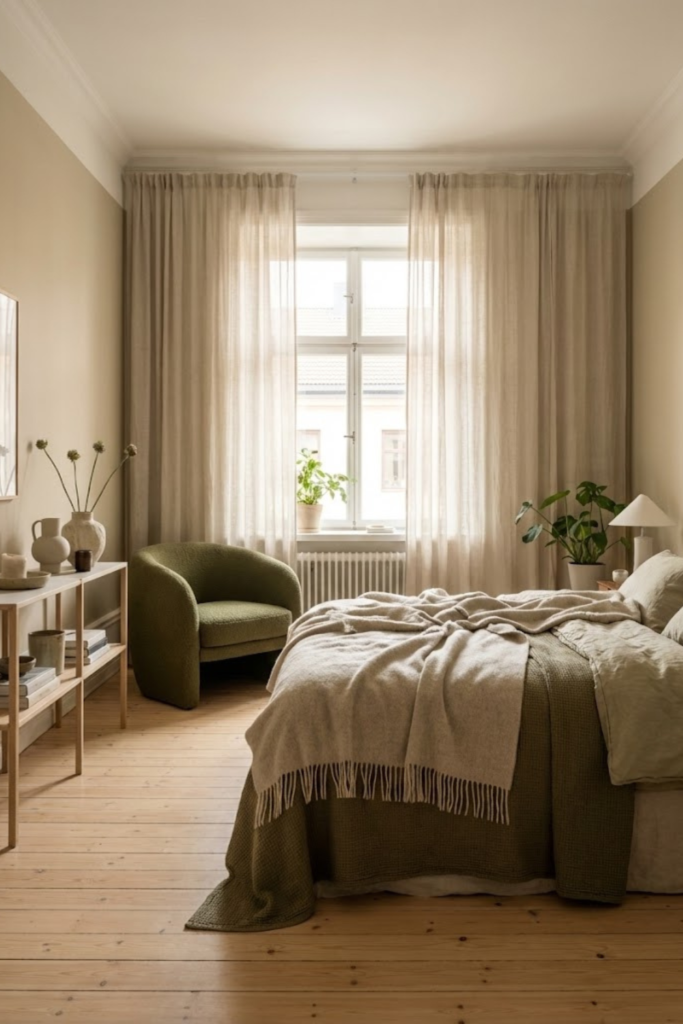
1. Embrace the “New Neutral” Palette
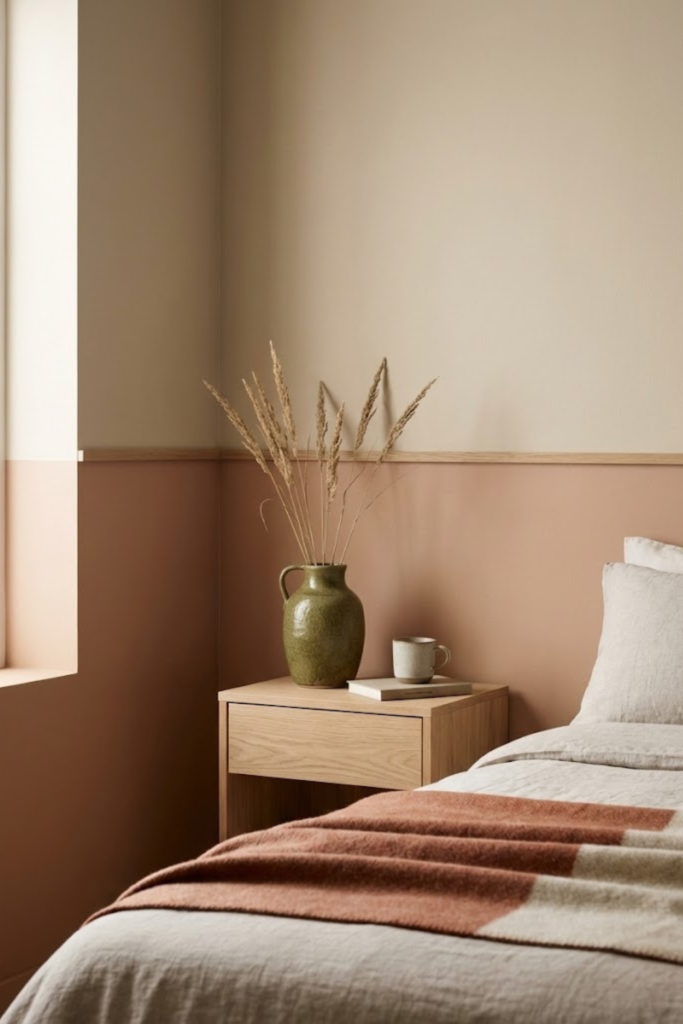
I used to think Scandinavian style meant everything had to be stark white. You know, like a hospital room but with nicer chairs. Boy, was I wrong. In 2026, we are seeing a huge shift. Designers are saying “brown is the new beige,” and honestly, I am here for it. It just feels more lived-in, you know? The old look was clean, sure, but sometimes it felt a little too cold. This new style is all about bringing the heat—visually, at least.
Why Warm Tones Are Taking Over
For years, grey was the go-to neutral for everyone. It was safe. But let’s be real, sometimes grey just feels… sad. Especially in the winter when it’s dark outside by 4 PM. This new palette is all about warmth. We are talking about colors that make you feel like you are wrapped in a wool blanket the second you walk in.
When I painted my spare room last month, I swapped the cool grey walls for a soft oatmeal color. The difference was night and day. The room felt instantly cozier without me having to buy a bunch of new furniture. It is a simple trick, but it works wonders for your mood. You want a space that hugs you back, not one that feels sterile.
The Specific Shades You Want
So, what colors should you actually look for at the paint store? Don’t just grab any brown. You want “earthy” tones. Think about the color of sand on a beach, dried clay, or even a light terracotta. These shades reflect light in a way that makes the room glow a bit.
I also love mixing in what they call “quiet” colors. These aren’t loud or bright. Think soft olive green or a dusty plum. They add a little bit of life but still keep things calm. I tell my friends to look at nature for inspiration. If you see the colors together in the woods or a park, they will probably look good in your bedroom. It’s pretty hard to mess up if you stick to what you see outside.
Adding Contrast Without the Chaos
Now, you don’t want the room to look like a mud puddle. You need a little contrast to keep it interesting. The trick I learned is to use tiny bits of black or dark charcoal. It grounds the space. Think of it like using a black pen to outline a drawing; it just makes everything pop a little more.
Also, try to stick with matte finishes for your paint. Shiny paint reflects too much light and can make these warm colors look a bit intense or cheap. A flat or matte finish keeps it soft and velvety. It hides scratches or bumps in the walls too, which is always a plus in my book since my walls are definitely not perfect.
2. Layering Lighting for Maximum Hygge

I used to think lighting a room was simple: put a bulb in the ceiling fixture and flip the switch. But have you ever noticed how a room with just one bright overhead light feels kind of like a doctor’s office? It’s not exactly relaxing. In Scandinavian design, lighting is serious business because their winters are so long and dark. They have mastered the art of making artificial light feel cozy, and the secret is all about layers.
Ditch the “Big Light”
If there is one thing I tell everyone to do immediately, it is to stop using the “big light” in the center of the ceiling. It flattens everything out and creates harsh shadows. Instead, you want to create what designers call “pools of light.”
In my bedroom, I have about three or four different light sources. I have a floor lamp in the corner by my reading chair, a small lamp on the dresser, and sconces by the bed. When I turn them all on, the room feels warm and inviting. It creates little zones where you can actually see what you are doing, but the rest of the room stays soft. It’s a total game-changer for winding down at night. You don’t need expensive wiring for this; just plug in a few lamps and see the difference.
Choosing the Right Shades
The shade you put on your lamp matters just as much as the lamp itself. Lately, I have been seeing a lot of paper shades and fabric lanterns. There is a reason for this. A metal shade shoots light straight down, which is okay for reading, but a paper or linen shade lets the light glow through the material.
This diffuses the light, spreading a soft, hazy glow around the room. It reminds me of a lantern or candlelight. I swapped out a stiff white shade for a crinkled paper one last month, and it instantly made the corner feel softer. It’s an easy, cheap swap that makes the room look finished.
The Bulb Color Matters
This is where I see people make the biggest mistake. You can have beautiful lamps, but if you put a “Daylight” or cool blue bulb in them, it ruins the vibe. It feels cold and alert, which is the opposite of what you want in a bedroom.
You need to look at the box when you buy bulbs. Look for the number followed by a “K”. You want something between 2700K and 3000K. This is “warm white.” It gives off that golden, yellowish hue that feels like a sunset or a fire. Anything higher than 3000K starts looking blue and sterile. Also, if you can, get dimmable bulbs. being able to lower the lights right before you go to sleep helps tell your brain it is time to shut down. It’s a small detail, but it helps a lot.
3. The Revival of Pine and Pale Woods
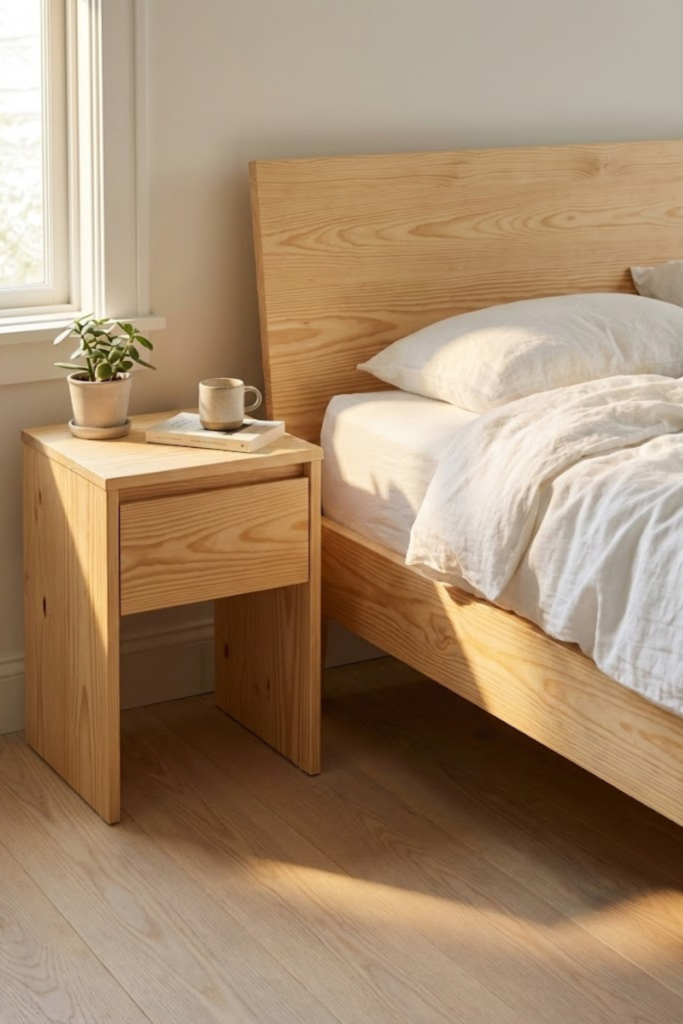
I remember back in the day, pine was the cheap wood you bought for your first apartment. You know, the stuff that eventually turned that weird bright orange color? Well, forget what you know about that. Pine is back in a big way for 2026, and it looks totally different this time. It isn’t covered in thick, shiny varnish anymore. It’s raw, pale, and actually looks really sophisticated.
The Beauty of the “Raw” Look
The key to making this work is keeping the wood looking as natural as possible. We are seeing a lot of what designers call a “soap finish” or just plain raw, sanded wood. It has this soft, chalky appearance that feels very Scandinavian.
I bought a simple, unfinished pine dresser recently to test this out. Instead of staining it dark or painting it, I just used a clear matte wax. It kept that light, airy color that makes the room feel bigger. When you run your hand over it, it feels like actual wood, not plastic. It adds a texture to the room that painted furniture just can’t give you. It’s honest and simple, which is exactly what we want in a calm bedroom.
Why It’s a Smart, Eco-Friendly Choice
One big reason everyone is loving pine again is because it grows really fast. It isn’t like oak or walnut that takes decades and decades to mature. This makes it a much more sustainable choice for the planet. If you are trying to be more conscious about what you buy, this is a solid option.
Also, because pine is a softer wood, it will get little dents and marks over time. Now, some people might hate that, but I actually think it adds character. It shows that people actually live in the house. It stops the room from feeling too precious or untouchable.
How to Style It Without Looking Like a Sauna
You might be worried that adding wood paneling or furniture will make your bedroom look like a 1970s basement or a sauna. The trick is balance. You have to mix it up. Don’t do pine floors, pine walls, and pine furniture all at once. That is way too much wood.
I like to pair a light pine bed frame with those “new neutral” wall colors we talked about earlier, like the oatmeal or soft clay. The contrast makes the pale wood pop. Or, if you have wood floors, make sure you put down a big rug so the legs of your furniture don’t disappear into the floor. Ash is another good wood to look for if you want something a little harder than pine but with that same pale, Scandi vibe. Just stay away from those orange-tinted stains, and you will be fine.
4. Soften the Edges with Curved Furniture

I have always loved the clean lines of Scandinavian design, but I have to admit, sometimes it can feel a little bit… sharp. I remember walking into my bedroom a few years ago and realizing everything was a rectangle. The bed, the dresser, the rug, the nightstands—it was all boxes. In 2026, the biggest change I’m seeing is that we are finally softening those edges. We are moving away from strict geometry and bringing in curves. It makes the room feel gentler and, honestly, a lot safer for your shins in the middle of the night.
The Rise of the Arched Headboard
If you want to try this look without buying a whole new room of furniture, start with the bed. The rectangular headboard is taking a backseat to the arch. I swapped my old wooden headboard for a padded, arched one recently, and it completely changed the vibe.
It creates a focal point that feels graceful rather than rigid. It draws your eye up in a smooth motion. You don’t even need to buy a new bed frame if you don’t want to. I have seen people just paint a large arch on the wall behind their bed in a contrasting color. It gives you that same rounded effect for the cost of a sample pot of paint. It is a super easy weekend project that makes a big impact.
Cozy Up with “Tub” Chairs
If you have space for a chair in your bedroom, ditch the stiff wooden chair. The trend right now is what they call “tub” furniture. These are chairs that look like they are ready to give you a hug. They usually have a rounded back that curves right into the armrests.
I put a small cream-colored tub chair in the corner of my room, and it is now my favorite spot to read. It softens the look of the corner, which is usually a “dead” space in a square room. Look for fabrics that have some texture, like bouclé (that knobby, looped fabric). It pairs perfectly with the curved shape to make the spot look extra inviting.
Circles Keep the Eye Moving
Why do curves work so well? Well, straight lines make your eyes stop and start. Curves keep your eyes moving around the room. It creates a sense of flow that is really relaxing.
You can bring this in with smaller items too. Instead of a square nightstand, look for a round or oval one. Or, swap out a rectangular mirror for a big circular one. I did this above my dresser, and it helped break up all the straight lines of the drawers. It bounces the light around nicely, too. Even a round rug placed halfway under the bed can help break up the “boxiness” of a standard bedroom. It’s about balancing out the hard lines of your walls with softer shapes in the middle.
5. Biophilic Design: Bring the Outdoors In
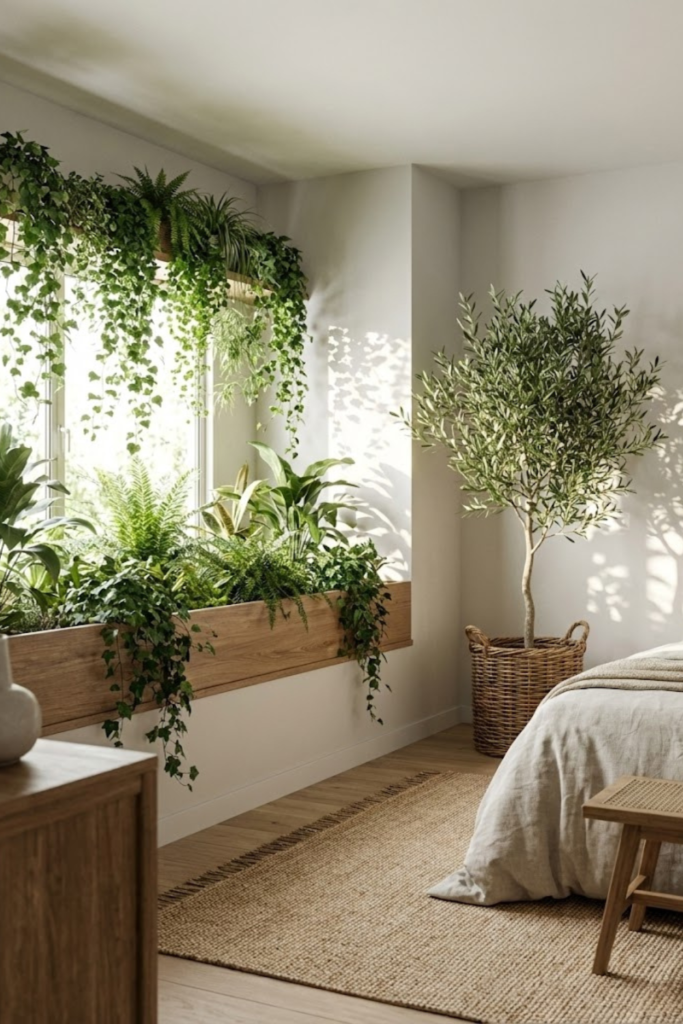
I used to think having a plant in the bedroom was just one more thing to remember to water. But then I read about “biophilic design.” It sounds like a fancy science word, but it basically just means designing your home to help you connect with nature. Since Scandinavian winters are long and you are stuck inside a lot, bringing the outdoors in is essential. It isn’t just about decoration; it actually helps you feel calmer and breathe better while you sleep.
The Rise of the Planter Ledge
In 2026, we are seeing a move away from just sticking a pot on a bedside table. The new trend is the “planter ledge.” Think of it like a long, shallow shelf right under your window or along a half-wall that is dedicated entirely to plants.
I installed a simple wooden shelf under my bedroom window last spring. I filled it with trailing plants like pothos and ivy. Now, when the sun comes in, the light filters through the leaves and makes these beautiful, dancing shadows on the floor. It makes the whole room feel alive. If you don’t want to drill holes in your walls, you can get a long, low bench and push it against the wall to get the same effect. It creates a lush, green border that separates you from the cold glass of the window.
Go Big or Go Home: The Statement Tree
If you hate clutter and don’t want twenty little pots everywhere, this trend is for you. We are seeing a shift toward having one giant tree in the room. A Ficus or an Olive tree in a nice wicker basket looks amazing in a corner.
I swapped out a pile of laundry that used to live in my corner for a large rubber tree. It instantly made the ceiling look higher because your eye follows the trunk up. Plus, big plants are surprisingly easier to take care of than small ones. They hold water longer, so if you forget them for a week (which I definitely do), they usually survive. Just make sure you check how much light your room gets before you buy a tree, so you don’t waste your money.
Can’t Keep Anything Alive? Try Dried Botanicals
Look, I get it. Not everyone has a green thumb. I have killed my fair share of ferns. The good news is that dried botanicals are huge in Scandinavian style right now. I am not talking about dusty old potpourri. I mean big, sculptural branches.
Go outside and find a nice branch that fell off a tree, or buy some dried eucalyptus or cotton stems. Stick them in a large ceramic vase on the floor or your dresser. They add that organic shape and texture without needing water or sunlight. I have a vase of dried pampas grass that has lasted two years and still looks great. It brings in that earthy, natural element without the stress of keeping something alive. It adds a nice crunch of texture against all the soft blankets, too.
6. Textural Abundance (The “Anti-Minimalist” Shift)
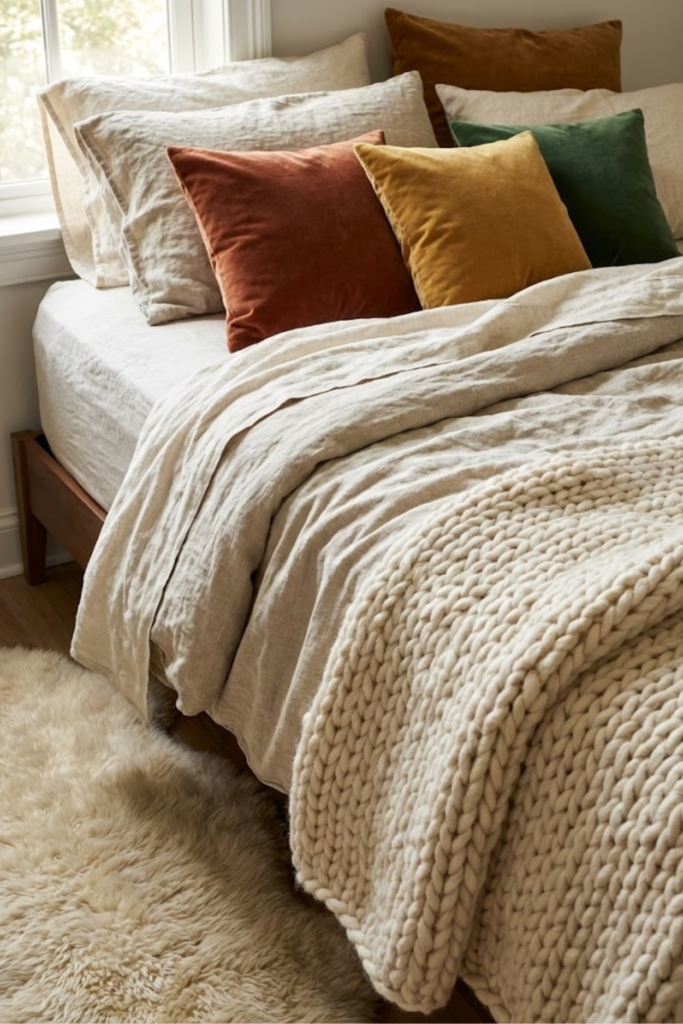
I used to think that to have a “Scandinavian” home, I had to get rid of almost everything I owned. I thought if I had more than one pillow on my bed or a rug that wasn’t grey, I was doing it wrong. I was aiming for that clean magazine look, but honestly? It just felt empty. In 2026, the trend has swung in the other direction. We aren’t embracing clutter—nobody wants that—but we are embracing “abundance” through texture. It is about making the room feel full and comforting without adding a bunch of junk you don’t need.
The Rug-on-Rug Trick
This is one of my favorite tricks to teach people because it makes you look like an interior designer, but it is actually really practical. Scandinavian floors are usually wood, which is beautiful but can get cold. One rug is good, but two is better.
I have a large, flat-woven jute rug that covers most of my floor. It’s durable and cheap, but it’s kind of scratchy on bare feet. So, I layered a smaller, softer vintage-style rug right on top of it, partially under the bed. It frames the space and adds a huge dose of coziness. It creates this rich, layered look that adds depth to the room. Plus, stepping onto two layers of rug in the morning is a lot nicer than stepping onto a cold floorboard.
The “Perfectly Imperfect” Bed
Forget about ironing your sheets. Seriously, stop doing it. The new Scandi look is all about “tactile variety.” You want a mix of fabrics that makes you want to dive in.
I switched to linen sheets a few years ago because they are supposed to look wrinkled. It takes the pressure off. Then, I throw on a chunky knit wool blanket at the foot of the bed. The contrast between the rough wool and the soft linen is what makes it look good. I also like to mix in a velvet cushion or two. The light hits the velvet differently than the linen, which adds interest to the bed even if everything is the same color. It’s about building a “nest” rather than a hotel bed.
Softening the Walls
We usually think of art as a picture behind glass in a frame. But glass is hard and shiny. To get that cozy, abundant feel, try putting fabric on your walls.
I hung a large textile piece—it’s basically a woven tapestry—above my dresser. It instantly warmed up the acoustics in the room. You know how an empty room echoes? Fabric on the walls absorbs sound and makes the room feel quieter and more private. You can use macramé, a small rug, or even a quilt. It breaks up the flat surfaces and adds softness where you don’t expect it. It makes the bedroom feel like a safe, padded sanctuary away from the noise of the rest of the house.
7. The Japandi Fusion
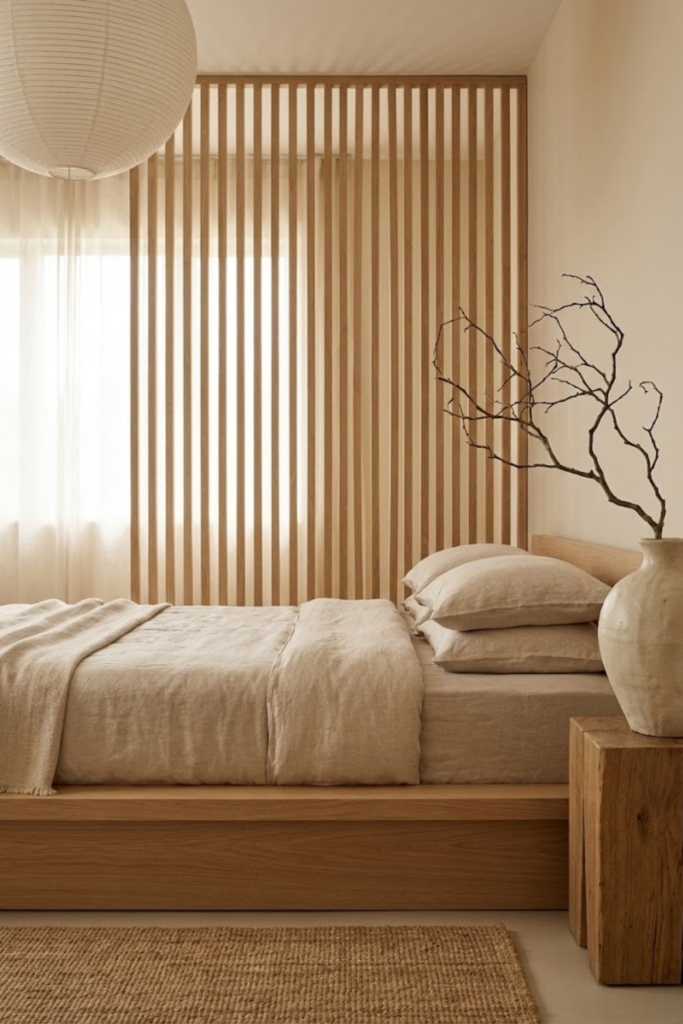
You might have heard the word “Japandi” thrown around lately. It sounds like a made-up word, and I guess it kind of is. It is just a mash-up of Japanese and Scandinavian design. For a long time, I didn’t get it. I thought, “Why mix them?” But once I tried it in my own bedroom, it clicked. They are like two peas in a pod. They both love simplicity, but the Japanese side adds this rustic, earthy vibe that stops the Scandi side from feeling too chilly. It is definitely sticking around for 2026.
Why Low Furniture Changes Everything
One of the biggest changes I made was lowering my furniture. In traditional Japanese interiors, life happens closer to the floor. So, I traded my high, clunky bed frame for a low platform bed. At first, I thought I would hate it. I’m not 20 anymore, and getting up from the floor is a bit harder!
But honestly, it makes the room feel twice as big. When the furniture is low, you have all this empty space above it. It lets the room breathe. It feels grounded and calm. If you can’t buy a new bed, try taking the legs off your nightstand or finding a low bench for the end of the bed. It shifts your perspective and makes the ceiling feel miles high.
Using Slats to Zone Your Room
Another thing I stole from this style is the wood slat screen. I have a corner of my room where I stash my ironing board and other junk I don’t want to see. I didn’t want to build a wall or put up a heavy curtain that would block the sun.
I put up a simple wooden screen with vertical slats. It hides the mess effectively, but because there are gaps between the wood, the light from the window still passes through. It creates these cool shadow lines on the floor in the afternoon. It separates the “sleeping zone” from the “getting ready zone” without making the room feel tiny or dark. It’s a smart way to organize a space without closing it in.
Wabi-Sabi: Loving the Flaws
Finally, there is this idea called “wabi-sabi.” It basically means finding beauty in things that aren’t perfect. This was a huge relief for me. I used to panic if I scratched a table or if a ceramic vase had a weird bump on it. I wanted everything to look pristine.
Japandi style says those flaws are actually the best part. I have a handmade clay pot on my dresser that is a little lopsided and has a rough texture. A few years ago, I would have returned it. Now, I think it’s the most interesting thing in the room. It adds character. It tells a story. So, don’t worry about having everything look brand new and polished. A little bit of wear and tear makes the space feel like a real home, not a showroom. It takes the pressure off you to keep everything perfect, which helps you relax better at night.
Conclusion
Honestly, refreshing your bedroom doesn’t have to be this huge, scary project. I know looking at all these ideas can feel a little overwhelming at first. But you don’t need to run out and buy all new furniture tomorrow. The best version of Scandinavian style in 2026 isn’t about spending a fortune; it is about making small changes that make you feel good when you wake up.
I hope these ideas show you that “Scandi” doesn’t just mean “white and boring” anymore. It is warmer, softer, and way more forgiving than it used to be. Whether you decide to paint one wall that oatmeal color, drag a tree into the corner, or just swap your stiff cotton sheets for some messy linen ones, you are on the right track.
Start with one thing. Maybe just fix the lighting this weekend. Once you see how much cozier it feels without that big overhead light, you might get the bug to do more. Your bedroom is the last thing you see at night and the first thing you see in the morning, so it deserves a little bit of love.
Ready to start your transformation? Pin these ideas to your “Dream Bedroom” board on Pinterest and start planning your cozy escape today!