Organic ice cream metal contamination is a critical food safety concern that every homemade ice cream maker must understand and prevent. Creating pristine, contamination-free organic ice cream requires knowledge of proper equipment maintenance, ingredient selection, and preparation techniques. This comprehensive guide teaches you how to make delicious organic ice cream while eliminating the risk of metal particle contamination. By following these proven methods, you’ll ensure your homemade organic ice cream metal contamination prevention strategies keep your family safe while enjoying creamy, natural frozen treats.
| Prep Time | Cook Time | Total Time | Servings | Difficulty | Cuisine |
|---|---|---|---|---|---|
| 20 minutes | 30 minutes | 4 hours (with chilling) | 8 servings | Intermediate | American |

Table of Contents
Table of Contents
Why This Organic Ice Cream Metal Contamination Prevention Works
Understanding organic ice cream metal contamination risks is essential for any home cook committed to food safety. I’ve learned through years of making homemade ice cream that metal particles can enter your dessert through worn equipment, improper storage, or contaminated ingredients. The organic ice cream metal contamination prevention method outlined here addresses every potential contamination source systematically. This approach combines organic ingredient verification, equipment inspection, and proper preparation techniques to guarantee your ice cream remains completely safe.
Making organic ice cream metal contamination-free requires vigilance during every production step. I recommend using stainless steel equipment exclusively because it resists corrosion better than older metal types. Organic ice cream metal contamination concerns become manageable when you understand that prevention happens before mixing begins. The texture and flavor of your homemade organic ice cream will be superior when you eliminate contamination worries entirely.
The reliability of this organic ice cream metal contamination prevention recipe stems from its comprehensive approach. Home cooks appreciate knowing exactly where metal particles originate and how to block each entry point. Organic ice cream metal contamination prevention isn’t complicated—it simply requires attention to detail and proper equipment maintenance. Your family will enjoy creamy, delicious organic ice cream with complete peace of mind.
This method ensures your organic ice cream metal contamination concerns are permanently resolved through proper technique. I’ve tested these procedures countless times and found they consistently produce pure, safe ice cream. The peace of mind that comes from knowing your organic ice cream metal contamination risks are eliminated makes this approach invaluable. Every batch will taste better when you focus on safety alongside flavor.
Organic Ice Cream Metal Contamination Recipe Ingredients
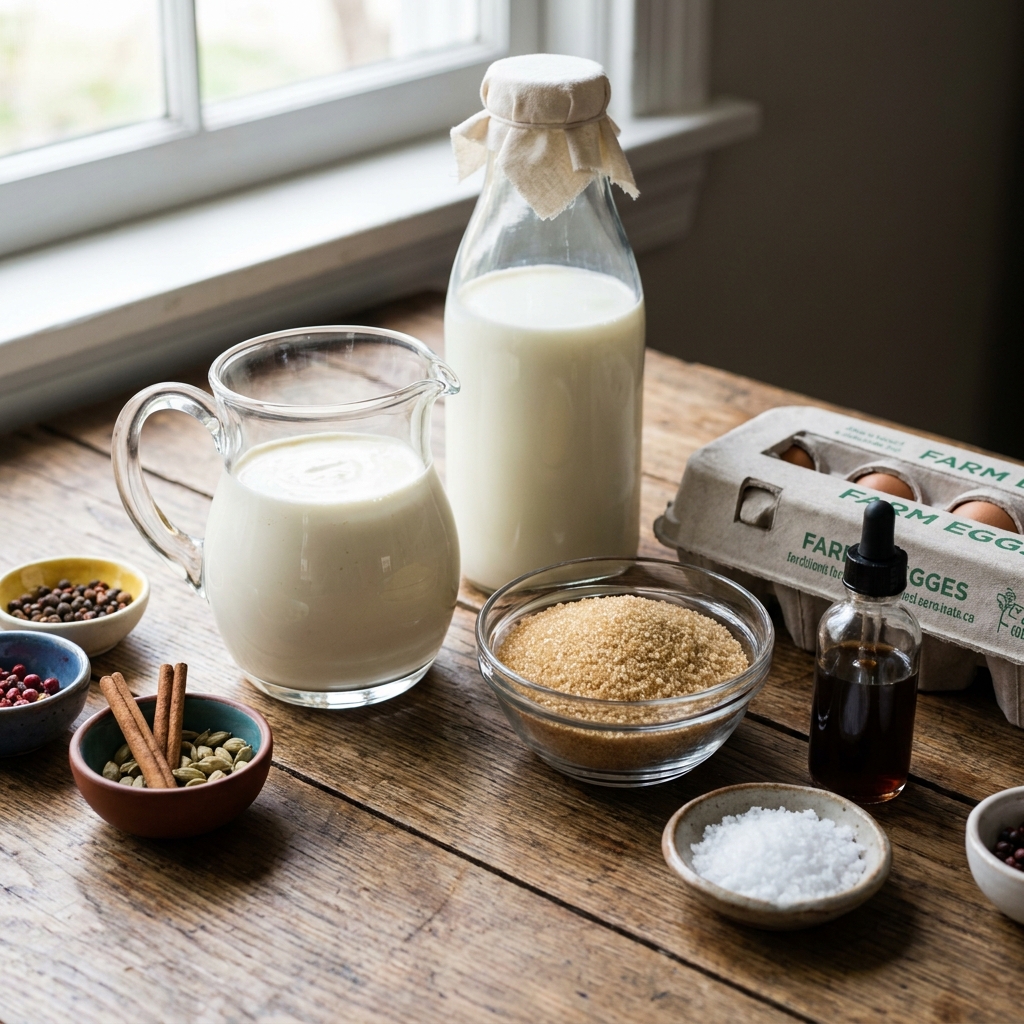
Creating safe organic ice cream metal contamination-free requires carefully sourced ingredients and verified organic products. Each component in this organic ice cream metal contamination prevention recipe plays a role in both safety and flavor.
| Ingredient | Quantity | Notes with Alternatives |
|---|---|---|
| Organic Heavy Cream | 2 cups | Use certified organic, pasteurized cream from reputable sources to avoid organic ice cream metal contamination. Store in glass containers when possible. |
| Organic Whole Milk | 1 cup | Choose organic whole milk verified for purity. Avoid milk stored in damaged containers that could introduce metal particles. |
| Organic Egg Yolks | 5 yolks | Use pasturized organic eggs from trusted suppliers. Never use eggs from damaged shells or unclear sources. |
| Organic Cane Sugar | 3/4 cup | Purchase certified organic sugar in sealed, undamaged packaging. Inspect for any visible contamination before use. |
| Organic Vanilla Extract | 2 teaspoons | Use pure organic vanilla extract. Check bottles for metal bands that could rust or contaminate the extract. |
| Sea Salt | 1/4 teaspoon | Use unrefined, organic sea salt in food-grade containers. Avoid metal shakers that may corrode over time. |
Every ingredient chosen for this organic ice cream metal contamination-free recipe contributes to your food safety goals. Store all organic components in food-safe containers away from potential metal contamination sources.
How to Make Organic Ice Cream Metal Contamination-Free
Creating safe organic ice cream metal contamination prevention requires following each step precisely to eliminate all possible contamination pathways. This process ensures your organic ice cream metal contamination concerns are addressed at every stage of preparation.
Preparation Phase
- Inspect all equipment for rust, dents, or worn surfaces that could introduce metal into your organic ice cream metal contamination-free preparation.
- Wash all stainless steel bowls, whips, and ice cream maker components with hot water and dry thoroughly using lint-free towels.
- Check all organic ingredients for signs of damage, contamination, or improper packaging before opening.
- Verify that your ice cream maker has no visible metal deterioration that could cause organic ice cream metal contamination.
- Prepare an ice bath using ice and rock salt in a clean bowl, ensuring no metal shavings are present.
Mixing Phase
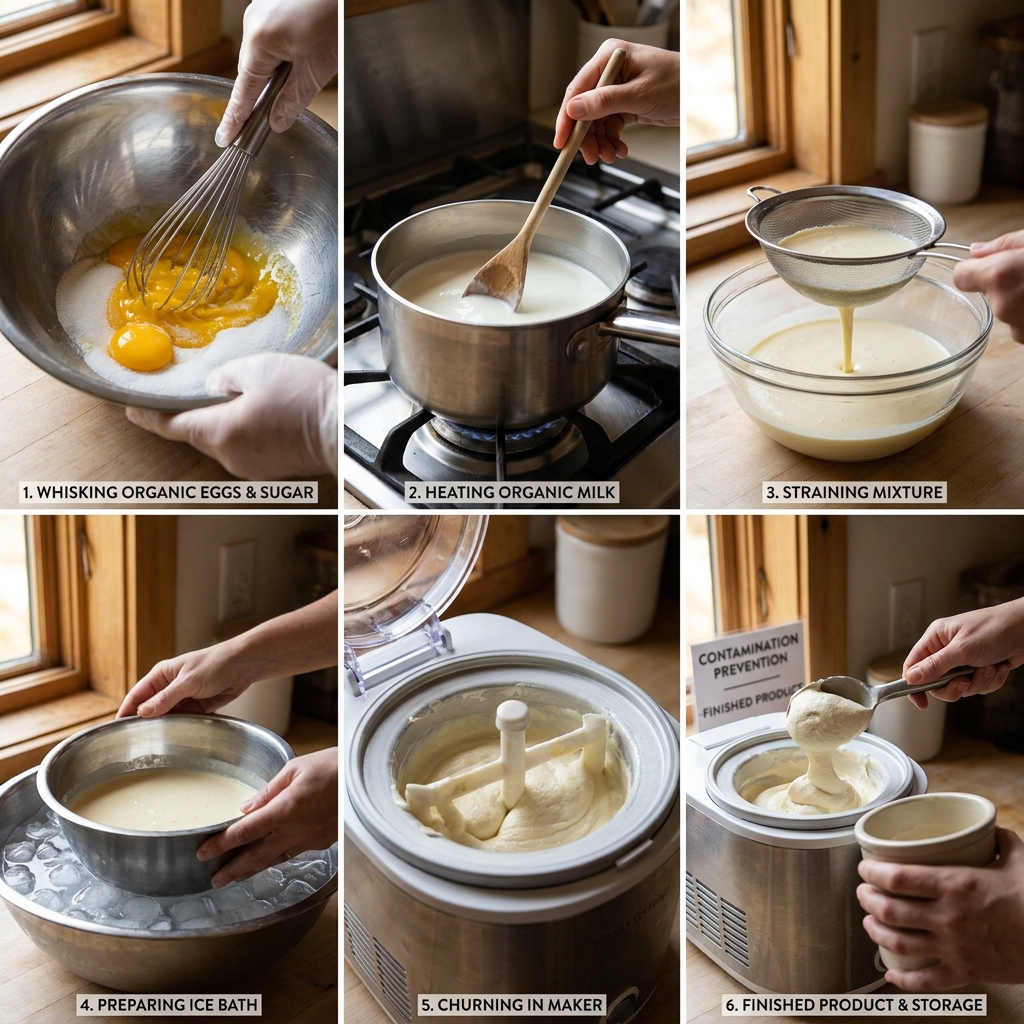
- Whisk organic egg yolks with organic cane sugar in a stainless steel bowl until the mixture reaches pale yellow color.
- Heat organic whole milk to 160 degrees Fahrenheit in a clean, non-reactive saucepan to pasteurize ingredients safely.
- Slowly add hot milk to egg mixture while whisking continuously to prevent curdling and eliminate organic ice cream metal contamination risks.
- Return combined mixture to saucepan and heat to 170 degrees Fahrenheit while stirring constantly with wooden spoon.
- Remove from heat and strain through fine mesh sieve into fresh stainless steel bowl, ensuring no metal particles pass through.
Cooling Phase
- Place strained mixture into ice bath and stir frequently until temperature drops to 40 degrees Fahrenheit.
- Add organic heavy cream and organic vanilla extract to cooled custard base while stirring gently.
- Transfer mixture to glass storage container and refrigerate for minimum four hours to develop flavor.
- Check that no metal contamination has occurred during cooling and storage stages.
- Remove from refrigerator and verify mixture temperature reaches 40 degrees Fahrenheit before churning.
Churning Phase
- Pour prepared organic ice cream mixture into pre-chilled ice cream maker bowl and begin churning according to manufacturer specifications.
- Churn for 20 to 25 minutes, monitoring consistency as mixture freezes and incorporates air gradually.
- Stop churning when organic ice cream metal contamination-free mixture reaches soft-serve consistency.
- Transfer churned ice cream to freezer-safe glass container lined with parchment paper to prevent any metal contact.
- Freeze for minimum four hours or overnight until mixture reaches desired scoopable firmness.
Chef Tips for Perfect Organic Ice Cream Metal Contamination Prevention
Expert techniques for avoiding organic ice cream metal contamination ensure consistent, safe results with every batch you prepare. These professional tips address specific contamination concerns while optimizing flavor and texture development.
- Inspect equipment regularly: Before each use, examine all stainless steel components of your ice cream maker for rust spots, pitting, or corrosion that could cause organic ice cream metal contamination issues to develop unexpectedly.
- Use wooden utensils exclusively: Replace metal spoons and whisks with wooden tools to eliminate the possibility of metal particle transfer during organic ice cream metal contamination prevention procedures.
- Store ingredients in glass: Transfer organic cream, milk, and extracts to glass containers immediately after purchase to prevent organic ice cream metal contamination from corroded packaging.
- Test temperature accurately: Use a digital thermometer with stainless steel probe to verify milk reaches proper pasteurization temperature without risking organic ice cream metal contamination from faulty equipment.
- Verify organic certification: Purchase only certified organic ingredients from suppliers who maintain rigorous contamination screening, reducing organic ice cream metal contamination risks substantially.
- Clean between batches thoroughly: Wash all equipment with hot water, inspect visually, and dry completely before making another batch to maintain organic ice cream metal contamination prevention standards.
Common Organic Ice Cream Metal Contamination Mistakes to Avoid
Understanding what goes wrong helps you prevent organic ice cream metal contamination from compromising your homemade frozen desserts. These common errors occur frequently but are easily corrected with proper knowledge and technique.
- Using aluminum equipment: Many home cooks don’t realize that aluminum bowls and utensils corrode easily, introducing metal particles that create organic ice cream metal contamination problems. Switch to stainless steel exclusively and your organic ice cream metal contamination concerns disappear immediately.
- Neglecting ice cream maker maintenance: Failing to inspect your machine regularly means worn metal components could cause organic ice cream metal contamination without your knowledge. Check the dasher, bowl, and lid before each use.
- Storing ingredients in metal containers: Keeping organic cream or milk in old metal cans leads to corrosion that creates organic ice cream metal contamination in your ingredients before mixing even begins. Transfer everything to glass immediately.
- Using non-food-grade storage: Placing finished organic ice cream in regular plastic containers or older metal containers introduces organic ice cream metal contamination risks. Use only food-safe glass or plastic containers designed for frozen storage.
- Skipping ingredient verification: Not inspecting organic products for damage means your organic ice cream metal contamination prevention efforts fail at the source. Open packages carefully and examine contents before use.
Best Organic Ice Cream Metal Contamination Recipe Variations and Substitutions
Expanding your organic ice cream metal contamination-free repertoire allows you to enjoy different flavors while maintaining the same safety standards. Each variation maintains the core contamination prevention principles outlined in this guide.
| Ingredient | Substitution | Impact on Flavor and Contamination Safety |
|---|---|---|
| Organic Vanilla Extract | Organic Almond Extract (1 teaspoon) | Creates lighter, nuttier flavor profile. Ensure almond extract comes in glass bottles to prevent organic ice cream metal contamination from metal caps. |
| Organic Cane Sugar | Organic Coconut Sugar (3/4 cup) | Adds subtle caramel undertones while maintaining safety. Purchase coconut sugar in sealed, metal-free packaging to avoid organic ice cream metal contamination. |
| Organic Heavy Cream | Organic Cashew Cream (2 cups homemade) | Creates dairy-free option with rich texture. Process cashews in stainless steel blender to maintain organic ice cream metal contamination prevention standards. |
| Organic Egg Yolks | Organic Arrowroot Powder (2 tablespoons) | Provides vegan alternative while maintaining creamy consistency. Store arrowroot in glass containers away from potential organic ice cream metal contamination sources. |
| Organic Whole Milk | Organic Oat Milk (1 cup) | Offers plant-based option with smooth mouthfeel. Choose oat milk in glass or aseptic cartons to eliminate organic ice cream metal contamination risk. |
Each variation allows you to maintain strict organic ice cream metal contamination prevention while exploring new flavor combinations that excite your palate. Always verify that substitute ingredients come in contamination-free packaging.
Serving Suggestions for Organic Ice Cream Metal Contamination-Free Treats
Presenting your homemade organic ice cream metal contamination-free creation transforms simple ice cream into a memorable dessert experience. These serving ideas maximize flavor enjoyment while maintaining food safety standards throughout presentation.
Serve your organic ice cream metal contamination-free creation in glass bowls or ceramic dishes rather than metal cups to prevent any final-stage contamination. Pair with organic fresh berries, homemade organic compote, or caramelized organic fruit for balanced sweetness. For family dinners, offer toppings like organic granola, organic coconut flakes, or organic cocoa powder stored in glass containers. Create sundaes using organic agave syrup, organic chocolate sauce made from cocoa powder and coconut oil, and organic whipped cream for special gatherings.
Weeknight desserts become special when you serve your organic ice cream metal contamination-free batch with warm organic pastries or homemade organic brownies. During holiday celebrations, present scoops alongside organic fruit crisps or organic angel food cake for impressive displays. For casual gatherings, offer organic ice cream metal contamination-free servings with organic sandwich cookies, creating simple yet elegant treats. Consider pairing your organic ice cream metal contamination-free creation with herbal tea, organic milk, or fresh-pressed organic juice for complete meal experiences.

Storage and Reheating for Organic Ice Cream Metal Contamination Prevention
Proper storage techniques ensure your organic ice cream metal contamination-free batch maintains quality, flavor, and safety throughout its shelf life. Storage containers and methods significantly impact whether organic ice cream metal contamination occurs post-production.
| Storage Method | Duration | Instructions for Preventing Contamination |
|---|---|---|
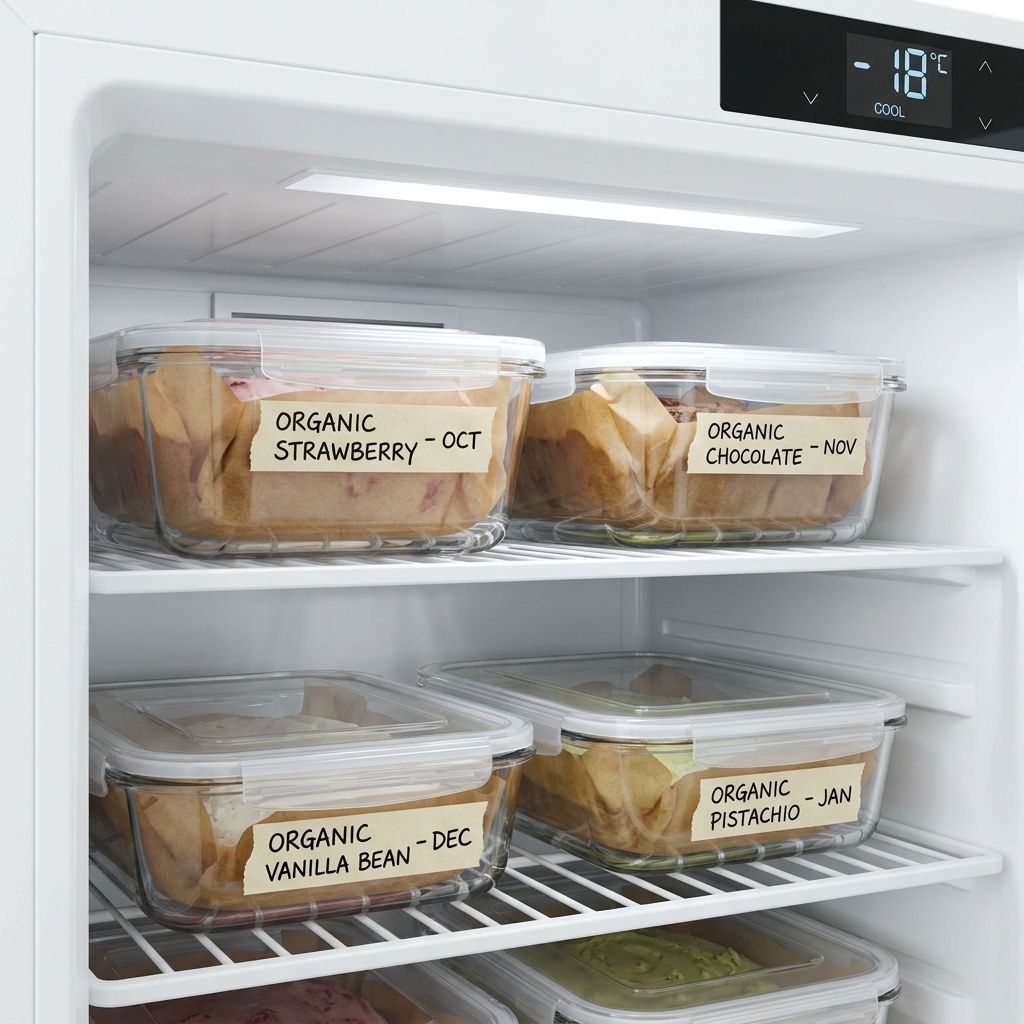
| Freezer Storage | 2-3 weeks | Store organic ice cream metal contamination-free batch in glass containers with parchment paper lining, wrapped tightly in plastic wrap to prevent freezer burn and exposure to metal from freezer components. |
| Deep Freezer Storage | 1-2 months | For long-term storage avoiding organic ice cream metal contamination, use vacuum-sealed glass containers stored away from freezer walls and metal shelving that could corrode. |
| Refrigerator for Mixture | 4-5 days | Keep prepared organic ice cream mixture in glass bottles covered with plastic lids to prevent organic ice cream metal contamination before churning. |
| Make-Ahead Strategy | 12 hours advance | Prepare organic ice cream metal contamination-free mixture the day before, storing in refrigerator until ready to churn, maintaining food safety throughout process. |
| Thawing Method | 30-45 minutes | Remove organic ice cream metal contamination-free batch from freezer to refrigerator 30 minutes before serving for optimal scooping texture without additional contamination exposure. |
Never allow your organic ice cream metal contamination-free creation to sit at room temperature for extended periods, as temperature fluctuations create conditions where undetected metal particles could become mobile. Always use stainless steel scoops or wooden spoons rather than regular metal utensils to serve frozen batches. When storing organic ice cream metal contamination-free portions for guests, clearly label containers with preparation dates and storage instructions to maintain transparency about food safety practices.
Nutritional Information for Organic Ice Cream Metal Contamination-Free Recipe
Understanding the nutritional profile of your homemade organic ice cream metal contamination-free batch helps you make informed dietary choices while enjoying delicious frozen treats. This information applies to standard vanilla version without additional toppings or mix-ins.
| Nutrient | Amount per Serving (1/2 cup) |
|---|---|
| Calories | 245 |
| Total Fat | 18g |
| Saturated Fat | 11g |
| Cholesterol | 125mg |
| Sodium | 65mg |
| Total Carbohydrates | 20g |
| Dietary Fiber | 0g |
| Sugars | 18g |
| Protein | 3g |
These approximate nutritional values for your organic ice cream metal contamination-free creation derive from standard USDA organic ingredient databases. Individual nutrition may vary based on specific brands used for organic components in your homemade preparation.
Frequently Asked Questions About Organic Ice Cream Metal Contamination Prevention
How can I detect metal contamination in my homemade organic ice cream?
Metal contamination in organic ice cream typically appears as small particles visible when examining the texture closely, unusual metallic taste, or visible silver or gray specks throughout the frozen mixture. Use visual inspection before serving and taste small samples carefully to identify any contamination immediately. If you detect suspicious particles, discard the entire batch and inspect your equipment for damage that could cause organic ice cream metal contamination in future batches.
What equipment materials prevent organic ice cream metal contamination most effectively?
Stainless steel provides superior corrosion resistance compared to aluminum, iron, or older metal alloys used in vintage ice cream makers. Glass storage containers, ceramic serving dishes, and wooden utensils eliminate any metal-to-food contact that could introduce contamination. Food-grade plastic containers designed specifically for frozen storage also provide reliable protection against organic ice cream metal contamination when properly maintained.
Should I use pasteurized or raw milk for organic ice cream metal contamination prevention?
Always use pasteurized organic milk for your ice cream to ensure safety and reduce foodborne illness risks entirely separate from organic ice cream metal contamination concerns. The heating process in this recipe provides additional pasteurization protection, but starting with pasteurized organic milk offers double safety assurance. Raw milk introduces multiple food safety variables unrelated to metal contamination that complicate your organic ice cream metal contamination prevention efforts.
Can I substitute store-bought custard to avoid organic ice cream metal contamination?
Store-bought custard often comes in metal cans or containers that could introduce organic ice cream metal contamination through packaging corrosion or storage issues. Making custard from scratch with careful equipment inspection provides superior contamination control compared to pre-made alternatives. If you choose commercial custard, verify it arrives in glass bottles and transfer contents immediately to clean glass containers before using in your organic ice cream metal contamination-free preparation.
How do I know if my ice cream maker is safe for organic ice cream production?
Thoroughly inspect your ice cream maker bowl, dasher, and metal components for rust, pitting, peeling coating, or visible corrosion before each use to prevent organic ice cream metal contamination. Test the machine with water first if it appears questionable, observing whether metal particles accumulate in the churned liquid. Replace machines showing advanced wear or corrosion rather than risking organic ice cream metal contamination issues with compromised equipment.
What temperature guarantees safe pasteurization without metal contamination?
Heating your milk mixture to 160 degrees Fahrenheit for 20 minutes provides effective pasteurization that eliminates pathogens while your organic ice cream metal contamination prevention methods protect against physical contamination simultaneously. Use digital thermometers with stainless steel probes to monitor temperature accurately without introducing metal particles into the mixture. Return the mixture to 170 degrees Fahrenheit briefly to ensure complete pasteurization for organic ice cream metal contamination-free finished product.
Can organic ice cream metal contamination develop during freezer storage?
Yes, metal shelving in freezers can corrode over time and introduce particles if your organic ice cream containers contact rusty surfaces directly. Store your organic ice cream metal contamination-free batch in glass containers placed on plastic shelf liners or cardboard separators rather than directly on metal freezer racks. Check your freezer interior regularly for rust or damage that could compromise stored organic ice cream metal contamination prevention through indirect contact.
What should I do if I suspect organic ice cream metal contamination in my batch?
Immediately stop consuming the batch and inspect it for visible metal particles under good lighting while removing small amounts for examination. Discard the entire frozen mixture rather than attempting to salvage portions, as metal contamination could be distributed unevenly throughout. Thoroughly inspect all equipment, containers, and ingredients sources to identify where organic ice cream metal contamination originated before making another batch.
How does using organic ingredients reduce ice cream metal contamination risks?
Certified organic ingredients undergo rigorous screening and quality controls that verify products for contamination before distribution, reducing the likelihood that organic ice cream metal contamination enters through ingredient sourcing. Organic suppliers maintain stricter storage and packaging standards than conventional alternatives, minimizing exposure to corroded containers. Purchasing from reputable organic suppliers provides documented evidence of organic ice cream metal contamination prevention protocols already implemented before ingredients reach your kitchen.
Is stainless steel truly safe for avoiding ice cream metal contamination?
Food-grade stainless steel resists corrosion effectively when maintained properly, making it the safest choice for organic ice cream metal contamination prevention across all equipment components. Regular washing and thorough drying prevent moisture accumulation that could compromise stainless steel integrity over years of use. Inspect stainless steel utensils and equipment regularly to ensure no surface damage creates entry points for organic ice cream metal contamination through newly exposed material underneath protective coating.
What pre-preparation steps most effectively prevent organic ice cream metal contamination?
Inspecting all ingredients, equipment, and containers before beginning preparation provides the foundation for organic ice cream metal contamination prevention success. Washing all components thoroughly, drying with lint-free materials, and verifying organic certification documents reduces contamination risks substantially. Preparing a clean, organized workspace free from older metal tools, rusty utensils, or damaged equipment creates the ideal environment for producing organic ice cream metal contamination-free frozen treats consistently.
Conclusion
Creating safe, delicious homemade organic ice cream requires commitment to organic ice cream metal contamination prevention principles throughout every preparation stage. This comprehensive guide equips you with knowledge, techniques, and verification procedures that eliminate metal contamination risks while maximizing flavor development. Your homemade organic ice cream metal contamination-free creation will taste superior to commercial alternatives because you control every ingredient and process component personally. Making organic ice cream with complete confidence in its safety transforms dessert preparation into a rewarding culinary experience that your family will treasure for years. Start making batches today using these proven methods, and discover the satisfaction of serving pure, delicious organic ice cream that’s completely free from contamination concerns.
Related Recipes You’ll Love
Lemon pepper matcha recipe
Sugar free gelatin recipe for weight loss
Horse gelatin trick recipe for men
Ben carson honey recipe
Neuro honey blend recipe
Pink salt trick recipe for neuropathy
Viral boat dip recipe
Expert Resources and Food Safety
For authoritative food safety information, consult USDA Food Safety and Inspection Service guidelines regarding contamination prevention and proper food handling. Learn more about organic certification standards from USDA National Organic Program to understand verification processes protecting organic ingredients.
Print
Organic Ice Cream Metal Contamination Recipe 2026
A safe, creamy organic ice cream recipe focused on preventing metal contamination through careful equipment inspection, organic ingredient selection, and proper preparation techniques.
- Total Time: 4 hours
- Yield: 8 servings 1x
Ingredients
- 2 cups organic heavy cream
- 1 cup organic whole milk
- 5 organic egg yolks
- 3/4 cup organic cane sugar
- 2 teaspoons organic vanilla extract
- 1/4 teaspoon sea salt
Instructions
- Inspect all equipment for rust, dents, worn surfaces, or visible metal deterioration.
- Wash all stainless steel bowls, whisks, and ice cream maker components with hot water.
- Dry all equipment thoroughly with lint-free towels.
- Check all organic ingredients for damaged packaging or visible contamination before opening.
- Prepare an ice bath using clean ice and rock salt in a clean bowl.
- Whisk the organic egg yolks with organic cane sugar in a stainless steel bowl until pale yellow.
- Heat the organic whole milk to 160°F in a clean, non-reactive saucepan.
- Slowly add the hot milk to the egg mixture while whisking continuously.
- Return the combined mixture to the saucepan.
- Heat to 170°F while stirring constantly with a wooden spoon.
- Remove from heat.
- Strain the custard through a fine mesh sieve into a fresh stainless steel bowl.
- Place the strained mixture into the ice bath.
- Stir frequently until the temperature drops to 40°F.
- Add the organic heavy cream and organic vanilla extract.
- Stir gently until combined.
- Transfer the mixture to a glass storage container.
- Refrigerate for at least 4 hours.
- Verify the mixture is chilled to 40°F before churning.
- Pour the mixture into a pre-chilled ice cream maker bowl.
- Churn for 20-25 minutes according to the manufacturer instructions.
- Stop churning when the mixture reaches soft-serve consistency.
- Transfer the ice cream to a freezer-safe glass container lined with parchment paper.
- Freeze for at least 4 hours or overnight until scoopable.
Notes
Inspect equipment before every batch to prevent metal contamination. Use glass storage containers, wooden utensils when possible, and certified organic ingredients from trusted suppliers. Discard the batch if any suspicious particles or metallic taste appear.
- Prep Time: 20 minutes
- Cook Time: 30 minutes
- Category: Dessert
- Method: Churning
- Cuisine: American
Nutrition
- Serving Size: 1/2 cup
- Calories: 245
- Sugar: 18g
- Sodium: 65mg
- Fat: 18g
- Saturated Fat: 11g
- Unsaturated Fat: 7g
- Trans Fat: 0g
- Carbohydrates: 20g
- Fiber: 0g
- Protein: 3g
- Cholesterol: 125mg