Did you know that according to 2026 interior design surveys, over 65% of parents now prioritize “multifunctional play zones” over traditional bedroom layouts? It’s true! I remember when a “cool” room just meant having a race car bed, but oh man, how times have changed! Today, we are looking at spaces that breathe, learn, and grow right alongside our kiddos. In this guide, I’m diving deep into 7 kids bedroom ideas that are topping the charts this year. We’re talking about everything from “Japandi” nurseries to bedrooms that literally help with homework using integrated AI. It’s a wild, wonderful world of design out there, and I can’t wait to show you how to make it work for your family! Let’s get into the magic.
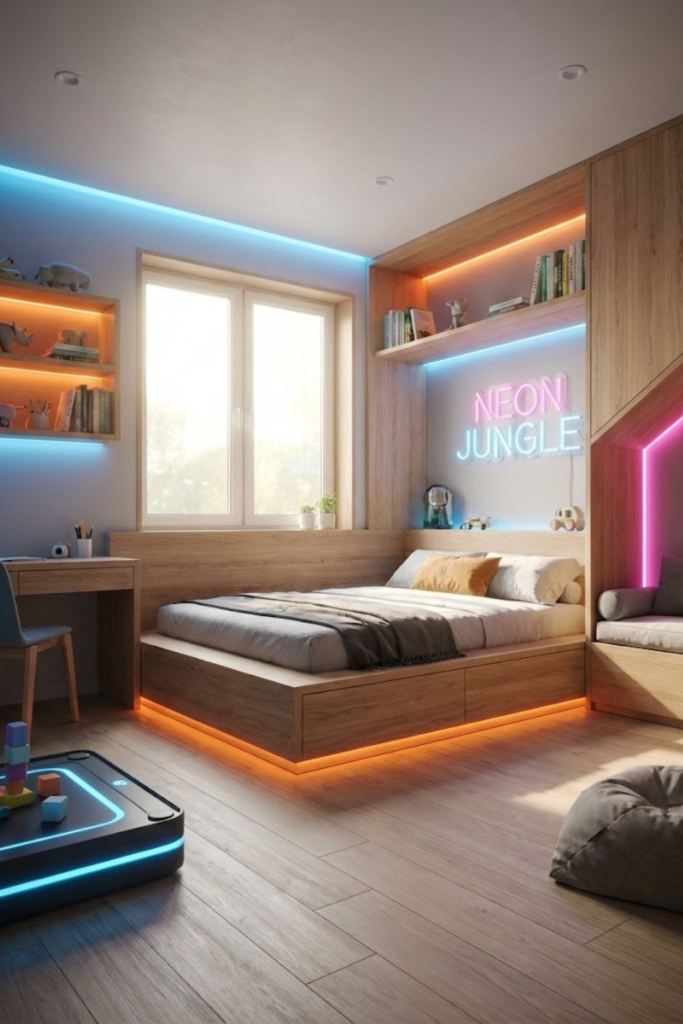
1. The Fantasy-Inspired Themed Wonderland

I’ve spent a lot of years looking at how kids interact with their spaces. Let me tell you, nothing beats the look on a child’s face when their room feels like a page from a storybook. It’s about more than just a place to sleep. It’s a place for adventures. When you build a fantasy wonderland, you aren’t just decorating. You are building a stage for their imagination to run wild. I always say that if a room doesn’t make a kid want to play, it’s just a box for furniture. One of the biggest mistakes I see parents make is trying to be too practical. Look, I get it. You want things to last. But kids are only little once. You can mix the fun stuff with things that actually work. For example, a castle bed doesn’t just look cool; it can have storage for all those toys that usually end up on the floor. Let’s look at how to pull this off.
Picking a Bed that Tells a Story
The bed is usually the biggest thing in the room, so why not make it the coolest? Instead of a plain frame, look for something that fits a theme. I’ve seen beds that look like spaceships, treehouses, or even giant pumpkins. If you are handy with tools, you can even build a frame around a standard mattress. This makes the room feel custom without spending a fortune. It gives the kid a “home base” for their play. Just make sure the frame is sturdy so it can handle all the jumping and climbing that is bound to happen!
Bringing Walls to Life with 3D Murals
Don’t just stick to flat paint. To really make the theme pop, you should use 3D decor or large murals. I love using textured wallpaper that feels like brick or wood. If your kid loves the jungle, find a mural with big leaves and hidden animals. It makes the room feel much larger and more interesting. You can even add some 3D elements like plastic vines or foam “rocks” to make it feel real. This helps create a space where they feel like they can truly hide away and explore.
Setting the Vibe with Magical Lights
Lighting is the secret sauce. You can have the best furniture, but if the lights are boring, the magic won’t happen. I suggest using star projectors that put a galaxy on the ceiling at night. Also, neon signs with your child’s name or a fun shape can add a nice glow. This helps with kids who might be afraid of the dark too. It turns a scary corner into a glowing part of their fantasy world. Using dimmers is also a smart move so you can change the mood from “playtime” to “bedtime” easily. It will help ensure your little ones feel safe and inspired every single night.
2. Smart Technology and AI-Integrated Kids’ Spaces

I remember when “smart technology” just meant having a TV with a remote. Now, it is everywhere! Some parents get a bit nervous about putting tech in a kid’s room, and I totally get that. But after seeing how it can actually help a child sleep better and stay organized, I’ve changed my mind. In 2026, smart rooms are not about kids staring at screens all day. It is about the room itself working for them. When I help families set these up, I focus on how the tech can make the day-to-day stuff smoother. It is like having an invisible assistant that helps your kid wake up on time and keeps the air fresh. It really takes the pressure off of you as a parent.
Lighting That Follows the Sun
One of the coolest things I’ve seen is smart lighting that mimics the sun. We all know how hard it is to get a grumpy kid out of bed on a Monday morning. These lights can slowly brighten up in the morning with soft orange and yellow tones. It wakes them up naturally instead of using a loud, scary alarm. At night, the lights turn a warm red color which helps their brains get ready for sleep. It is a simple fix that makes a huge difference in their mood. I’ve noticed kids are way less cranky when their room helps them follow a natural rhythm.
Interactive Learning Nooks
We also have these great smart displays now. I think of them as high-tech homework buddies. Instead of a kid getting stuck on a math problem and giving up, they can ask a voice assistant for a hint. It is not about giving them the answer, but about keeping the momentum going. I like to set up a dedicated corner with a smart desk. These desks can remind them to take a break or stand up if they’ve been sitting too long. It builds good habits early on.
Keeping the Air and Space Safe
Safety is the big one for me. I always suggest parents add a smart air quality monitor. You would be surprised how stuffy a room gets with the door closed all night. These sensors can turn on a fan or air purifier if the air gets too dusty or stale. It gives you peace of mind knowing they are breathing clean air while they sleep. Plus, smart sensors on the door can let you know if they are sleepwalking or heading for the kitchen for a midnight snack! It makes the whole house feel much safer.
3. Sustainable and Eco-Friendly “Nature-In” Designs

I have noticed a huge shift lately in how we think about our homes. People are really starting to care about where their furniture comes from and what it is made of. I think this is even more important for a child’s bedroom. You want the place where they sleep for ten hours a night to be as clean and healthy as possible. That is where the “Nature-In” design comes in. It is all about bringing the outside world into the room using materials that won’t hurt the planet or your kid’s lungs. I always tell parents that if you can smell a strong chemical scent from a new toy or a bed, it probably shouldn’t be in there. We want rooms that breathe. It makes the whole house feel more relaxed when you use things like wood and plants.
Choosing Real, Raw Materials
When you are picking out furniture, try to look for things like bamboo, rattan, or wood that is FSC-certified. These materials are great because they grow back fast and don’t need a bunch of harsh chemicals to look good. I love the look of a rattan headboard or a bamboo bookshelf. It gives the room a warm, cozy feel that you just don’t get from plastic. Plus, these pieces are usually built better and last a lot longer. I’ve seen cheap plastic drawers fall apart in a year, but a good wooden chest can stay with your kid until they head off to college. It is a better way to spend your money and it is better for the Earth too.
Keeping the Air Clean with Better Paint
One thing many people forget is the paint on the walls. Most old-school paints have things called VOCs, which are just chemicals that float in the air and can make kids feel sick or itchy. You should check the label for “Low-VOC” or “Non-toxic” paints. They don’t cost much more, and they make a huge difference in the air quality. I also suggest looking for organic cotton for the sheets and blankets. Your kid’s skin is sensitive, so keeping things organic means fewer rashes and better sleep. It is a small change that helps a lot.
Using Colors That Feel Like the Woods
To really get that nature vibe, I like using earthy palettes. Think about colors like sage green, soft clay, or warm sand. These colors are very calming and help kids wind down at the end of a long day. I’ve found that bright, neon colors can sometimes keep kids too “hyped up” when they should be sleeping. By using colors found in nature, you create a peaceful spot. You can add a few real plants too! It teaches kids how to take care of something and helps keep the oxygen fresh in their little space.
4. Space-Saving Multifunctional Layouts for Small Rooms

I’ve spent a lot of time helping people with small houses, and let me tell you, it can be a real headache. You want your kid to have everything they need, but sometimes the room is just tiny. I remember working on a project where the bedroom was barely bigger than a closet! But honestly, those are the rooms that turn out the best because they force you to get creative. The trick is to stop thinking about the floor and start looking at the walls. In 2026, we have some really clever ways to squeeze a lot of function into a small square. It is all about making every inch of the room do a job.
Why You Should Think Vertically
The smartest thing you can do in a small room is go up. Loft beds are probably my favorite way to save space. By putting the bed high up, you basically double the floor room you have. Underneath, you can put a desk, a cozy reading chair, or even a little play house. I’ve seen some great setups where the kid feels like they have a secret fort under their bed. It makes the room feel much less cramped and gives them a private spot to hang out. Just make sure the ceiling is high enough so they don’t bump their head when they sit up in the morning!
The Power of Hidden Storage
Another thing I love is “stealth” storage. You don’t want a bunch of bulky plastic bins taking up floor space where your kid should be playing. Instead, look for furniture that does two things at once. I really like stairs that have drawers built right into them. It’s a great spot for shoes or lego sets that usually end up in a pile. Also, wardrobes that are built into the walls can blend right in if you paint them the same color as the wall. It keeps the room looking clean and open, which makes it feel bigger than it actually is.
Using Furniture That Folds Away
If the room is really tight, you might want to look at convertible pieces. Murphy beds have come a long way and they are much easier to use now than they used to be. You can fold the bed up during the day so the kid has plenty of room to play on the floor. I also suggest foldable desks that attach to the wall. When homework is done, you just flip it up and it’s out of the way. It’s all about making the room flexible so it can change based on what your kid is doing at that moment.
5. Interactive Learning and Creativity Zones
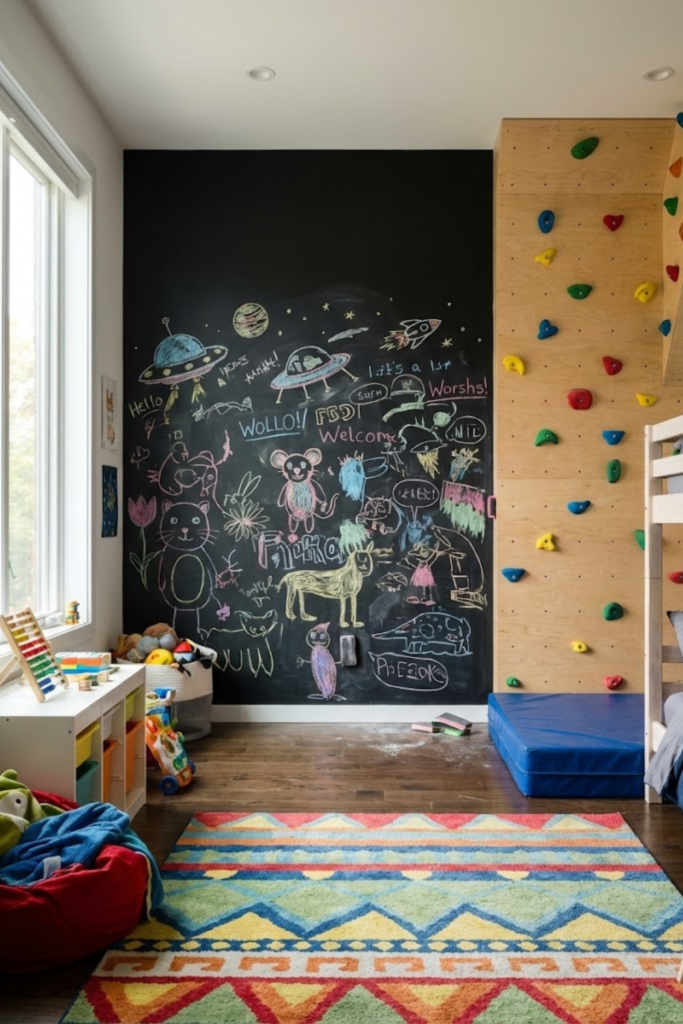
I’ve always believed that a kid’s room should be more than just a place to crash at the end of the day. As a teacher, I see how much kids learn when they are just playing around. Why not make the room help them with that? If you give them the right tools, they will surprise you with what they can build or draw. I used to get so stressed when my kids would draw on the wallpaper with crayons. It felt like I was constantly scrubbing. Then it hit me—why am I fighting their creativity? Instead of saying “don’t draw there,” I started making places where they could draw. It changed everything in our house and made the afternoons much more peaceful for everyone. This is a big part of why people look for 7 kids bedroom ideas that actually do something useful.
Putting the Walls to Work
One of the best moves you can make is using chalkboard paint on a big section of the wall. It lets kids doodle whenever they get an idea. If you don’t like the dark look of a chalkboard, you can get whiteboards or even big magnetic boards. I love magnets because kids can move letters around or stick up their latest drawings. It turns the whole room into a giant sketchbook. This kind of setup makes them feel like the room really belongs to them. They can change the “art” every single day if they want to. It also keeps the paper mess down, which I think every parent can appreciate.
Creating a Space for Building and Science
If your kid is into building sets like Lego or likes doing science experiments, they need a flat spot to work. I usually suggest a low table with lots of bins underneath. If they don’t have a place to put their half-finished projects, they just end up taking over the dining room table or the kitchen counter. By giving them a dedicated “STEM corner,” you are telling them that their hobbies are important. Use clear bins so they can see all the pieces without dumping everything on the floor. It saves your feet from stepping on those sharp little blocks in the middle of the night!
Burning Energy with Indoor Play
We all have those days when the weather is bad and the kids are bouncing off the walls. Why not let them actually climb the walls? Installing a small indoor climbing wall or some hanging ropes is a total game changer. It helps them stay active and builds up their physical strength while they play. You just need to put some thick mats on the floor to make things safe. It’s a great way for them to move around when they can’t get outside to the park. Plus, it makes their room the coolest one on the block and keeps them entertained for hours.
6. The “Japandi” and Gender-Neutral Color Evolution
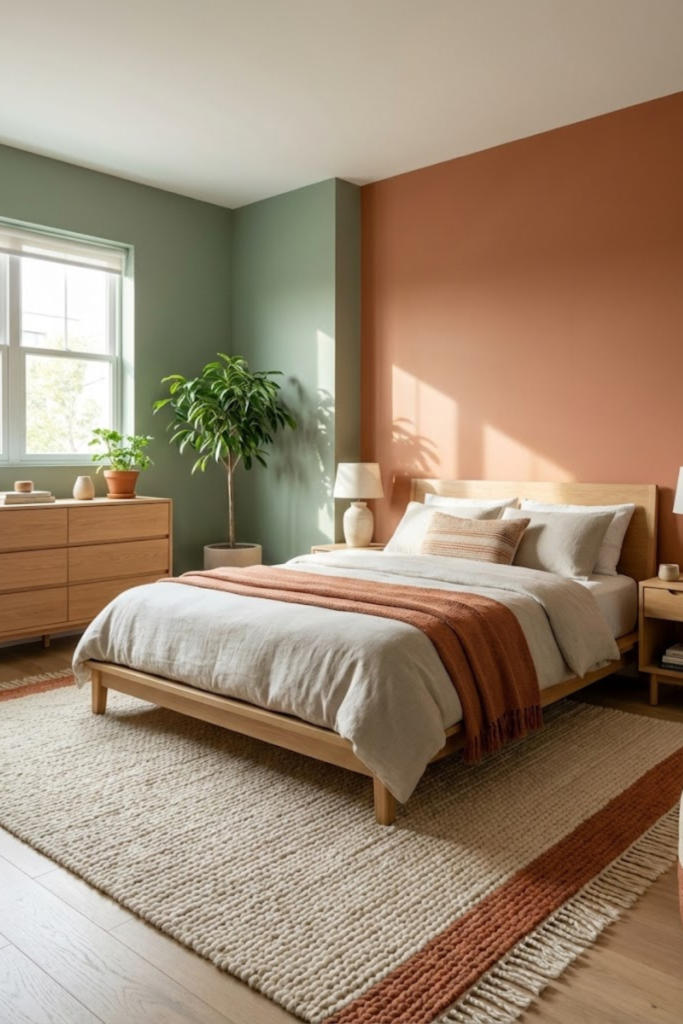
I’ve been teaching for a long time, and I have seen a lot of trends come and go in kids’ homes. I remember when every boy’s room had to be bright blue and every girl’s room was bubblegum pink. It was a lot to take in! Nowadays, things are moving in a much more chill direction. People are leaning into what we call the “Japandi” style. It’s a mix of Japanese and Scandinavian vibes. It is all about keeping things clean and simple but also very cozy. I think it is a great way to design a room because it doesn’t feel like a toy store exploded in your house. It makes the space a place where a kid can actually relax and decompress after a busy day at school. When a room is calm, the kid usually stays calmer too.
Mixing Japanese and Scandinavian Vibes
Japandi is basically taking the best parts of two different cultures. You take the simple, clean lines from Japan and the cozy, warm feel from Scandinavia. This means you use a lot of natural wood and soft textures like wool or linen. Instead of having fifty bright plastic bins, you might have three nice wooden or wicker ones. It helps a kid feel more focused and less overwhelmed. I’ve noticed that when a room is less messy, kids actually play with their toys more because they can actually see what they have! It is a win for everyone, and it makes cleaning up much faster on a Sunday night.
Why Gender-Neutral Colors are Winning
We are finally moving away from those strict pink and blue boxes. I love seeing rooms that use sage greens, muted clays, and charcoal accents. These colors are great because they work for any kid, no matter who they are. Plus, if you have a second child later on, you don’t have to repaint the whole room to make it fit. It is a smart way to save money and your own time. These colors also feel a bit more grown-up. A sage green wall looks just as good in a nursery as it does in a teenager’s room. It is about building a space that stays relevant for more than just a couple of years.
Picking Shades that Last for Years
When you pick colors like navy blue, pewter, or warm beige, you are really thinking ahead for your family. You want colors that can handle different styles as the kid grows up and their tastes change. One year they might love dinosaurs, and the next they might love sports or music. If the walls are a nice neutral color, you just change the posters and the bedding to match their new hobby. You don’t have to do a full makeover every two years, which I know is a huge relief for any busy parent. I always tell my friends to look for “moody accents” too. A dark accent wall can make a room feel very cozy and special without being too loud or distracting.
7. Modular Furniture That Grows with the Child

I have been a teacher for a long time, and if there is one thing I know, it is that kids grow like weeds. One day they are tiny and the next they are taller than you! It is wild. When I first started out, I made the mistake of buying furniture that only worked for a little while. My bank account really felt it! Now, I tell everyone to get modular furniture. These pieces are like big building blocks for adults. They let the room change and grow as your child does, so you don’t have to go shopping for a new bed or desk every two years. It is a much smarter way to handle a bedroom as your family moves through different stages. It makes the whole process of growing up feel a lot more natural and a lot less expensive for the parents.
Beds That Grow with Them
The bed is the biggest part of the room. Instead of buying a small toddler bed and then a twin bed later, just get an expandable frame. These frames can pull out to get longer as your child gets taller. It is a simple idea, but it works so well. I’ve seen families keep the same bed frame for ten years because it just keeps growing with the kid. It also helps the child feel more comfortable. They don’t have to get used to a new bed every few years, which can actually help them sleep better at night. It’s one of those things that saves you a lot of heavy lifting later on.
Desks That Move Up
As a teacher, I see a lot of kids with bad posture because their desks are too low. It really bothers me! That is why I love adjustable study pods. You can raise the height of the desk and the chair as the kid gets bigger. This means they are always sitting in a way that is good for their back. Plus, as they get older and have more homework, you can add more drawers or light sets to the desk. It turns into a real workspace for a teenager without you needing to buy a whole new setup. It keeps them focused on their work instead of how uncomfortable they feel.
Shelving That Changes Shape
Finally, think about where all the stuff goes. Toddlers have big toys, but teens have books, games, and electronics. Modular wall units let you swap out deep bins for thin shelves whenever you need to. You can add more units if they start a big collection or take some away if they want more space to move around. It keeps the room from feeling cluttered. I always feel better when everything has a place, and modular shelves make that easy to do. It really helps the room stay useful for a long time.
Conclusion
Creating the perfect space for your little one is all about balancing their current obsessions with long-term function. Whether you’re leaning into high-tech smart features or keeping it earthy with sustainable wood and sage green tones, these 7 kids bedroom ideas for 2026 are for helping you adapt as fast as your kids do! Remember, the best rooms are the ones that make them feel safe and inspired. If you found these ideas helpful, be sure to pin this article to your Pinterest “Home Decor” board to save it for your next project!